Lagos Trains 300 Responders with Virtual Reality
Emergency workers in Lagos are now training for life-threatening accidents using VR headsets instead of risking real dangers. Over 300 first responders have practiced saving lives on a virtual version of the Lekki-Ikoyi link bridge.
Imagine learning to save lives in a burning building without any actual fire, or responding to a major highway accident without putting anyone at risk.
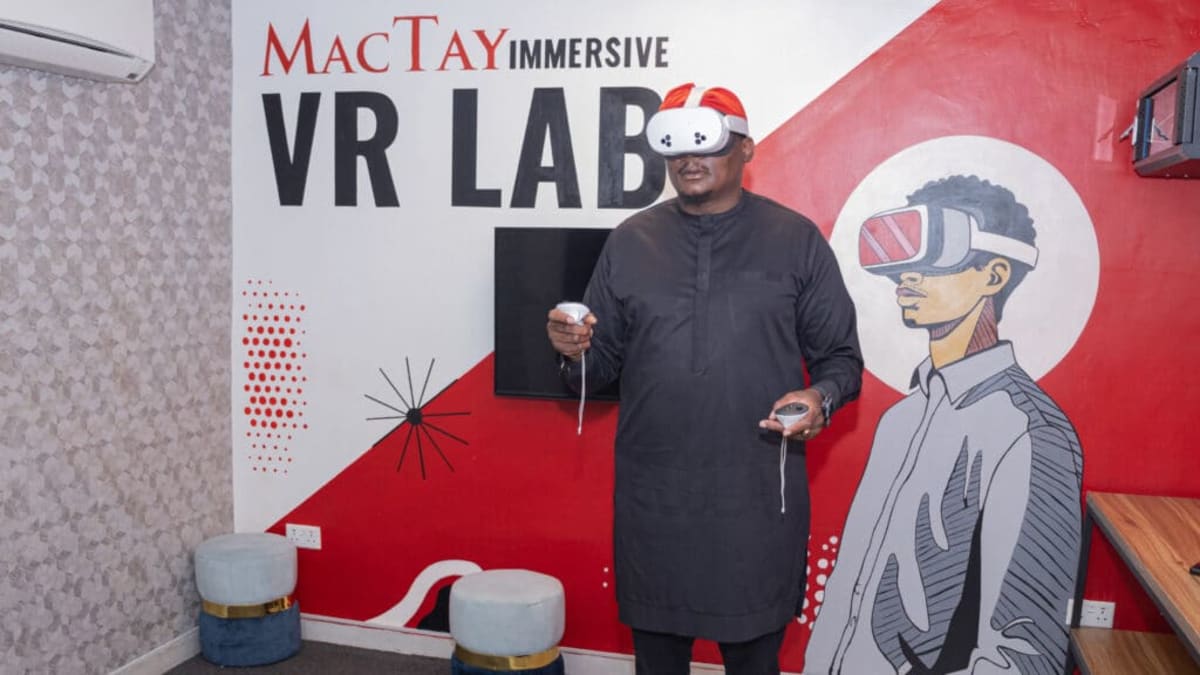
That's exactly what's happening in Lagos, where MacTay has trained over 300 emergency service professionals using virtual reality goggles. Inside the simulation, responders stand on the Lekki-Ikoyi link bridge, treating victims of a motorcycle accident and making split-second decisions just like they would in real life.
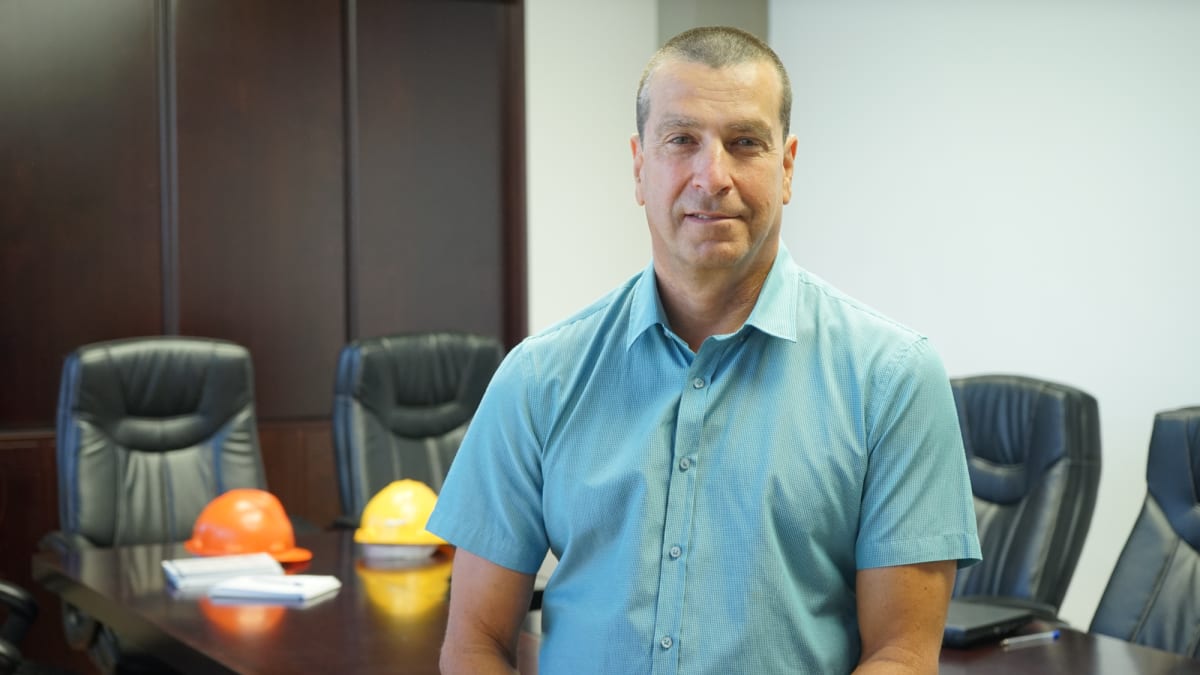
Tunde Rotimi, who leads Strategy and Innovation at MacTay, explains the challenge they solved. "It is very challenging to duplicate a high-risk environment," he says, noting how impossible it would be to recreate actual fires or major accidents for training purposes.
The VR program lets trainees practice the same emergency scenario over and over, building muscle memory without any danger. They check pulse and breathing through haptic feedback in the controllers, administer first aid, and coordinate evacuations as virtual ambulances arrive.
The technology wasn't originally built for emergency response. MacTay first developed these immersive learning tools to help Lagos students understand complex STEM concepts by visualizing them in three dimensions, like exploring human anatomy from the inside.
Everything changed after conversations with the Lagos State Ministry of Health. The same technology that helped students learn science could train first responders where mistakes cost lives.
The program is part of MacTay's Better Lagos Initiative, which focuses on low-cost, high-impact technology solutions for the city. The company, founded over 40 years ago as an HR consulting firm, is transforming itself into a technology organization working closely with the Lagos State government on public sector solutions.
The Ripple Effect
The impact goes beyond the 300 people already trained. Every emergency responder who practices in VR becomes better prepared to save actual lives on Lagos streets.
Traditional training could only handle seven people at a time on the actual bridge. With VR, MacTay can train hundreds of responders in the exact same high-risk scenario without traffic disruptions, safety concerns, or logistical nightmares.
The Lagos State Ambulance Service now has first responders who've faced the same emergency dozens of times before ever encountering it in reality.
What started as a way to make science class more engaging has become a tool that could help save lives across one of Africa's largest cities.
More Images

Based on reporting by Techpoint Africa
This story was written by BrightWire based on verified news reports.
Spread the positivity!
Share this good news with someone who needs it