Lake Erie Gets 1,000+ Sensors to Fight Pollution
Cleveland is transforming Lake Erie into the world's largest digitally monitored freshwater lake with hundreds of sensor buoys tracking pollution in real time. The innovation is helping scientists tackle everything from toxic algae blooms to microplastics.
📺 Watch the full story above
Once so polluted it literally caught fire, Lake Erie is getting a high-tech makeover that could change how we protect our waterways forever.
Cleveland and neighboring communities have installed hundreds of sensor buoys across Lake Erie's 7,750 square miles, creating the largest digitally connected freshwater body on Earth. The sensors give researchers real-time data on everything from E. coli levels to algae blooms, wave heights to turbidity.
"Several years ago, our civic leaders were asking: 'Why aren't we doing more with water? It's our biggest natural asset,'" says Bryan Stubbs of the Cleveland Water Alliance. The answer became this groundbreaking test bed where companies and researchers worldwide can develop and prove new water technologies.
The timing couldn't be better. About 5.5 billion gallons of freshwater are drawn from Lake Erie daily for cities, industries, and the growing number of data centers in the region. Detroit, Cleveland, and Buffalo are all growing for the first time in 50 years, putting new pressure on water quality.
The sensors are already enabling breakthrough solutions. At Case Western Reserve University, researchers developed technology that captures 90% of microplastics from washing machines before they reach the lake. Korean companies are testing electrochemical water treatment methods in Erie's unique conditions.
The Ripple Effect
The digital monitoring system is revealing patterns scientists never fully understood before. Lake Erie holds just 2% of the Great Lakes' water but contains 50% of its biodiversity because it's the shallowest. That shallow depth means it warms faster each year, making it especially vulnerable to pollution from the 12 million residents and businesses in its watershed.
The real-time data helps target problems at their source. In Avon Lake, a town 20 miles west of Cleveland, officials partnered with a Korean company to develop an on-site system for making sodium hypochlorite. The pilot project eliminates the need to ship hazardous chlorine gas on trucks and trains through populated areas.
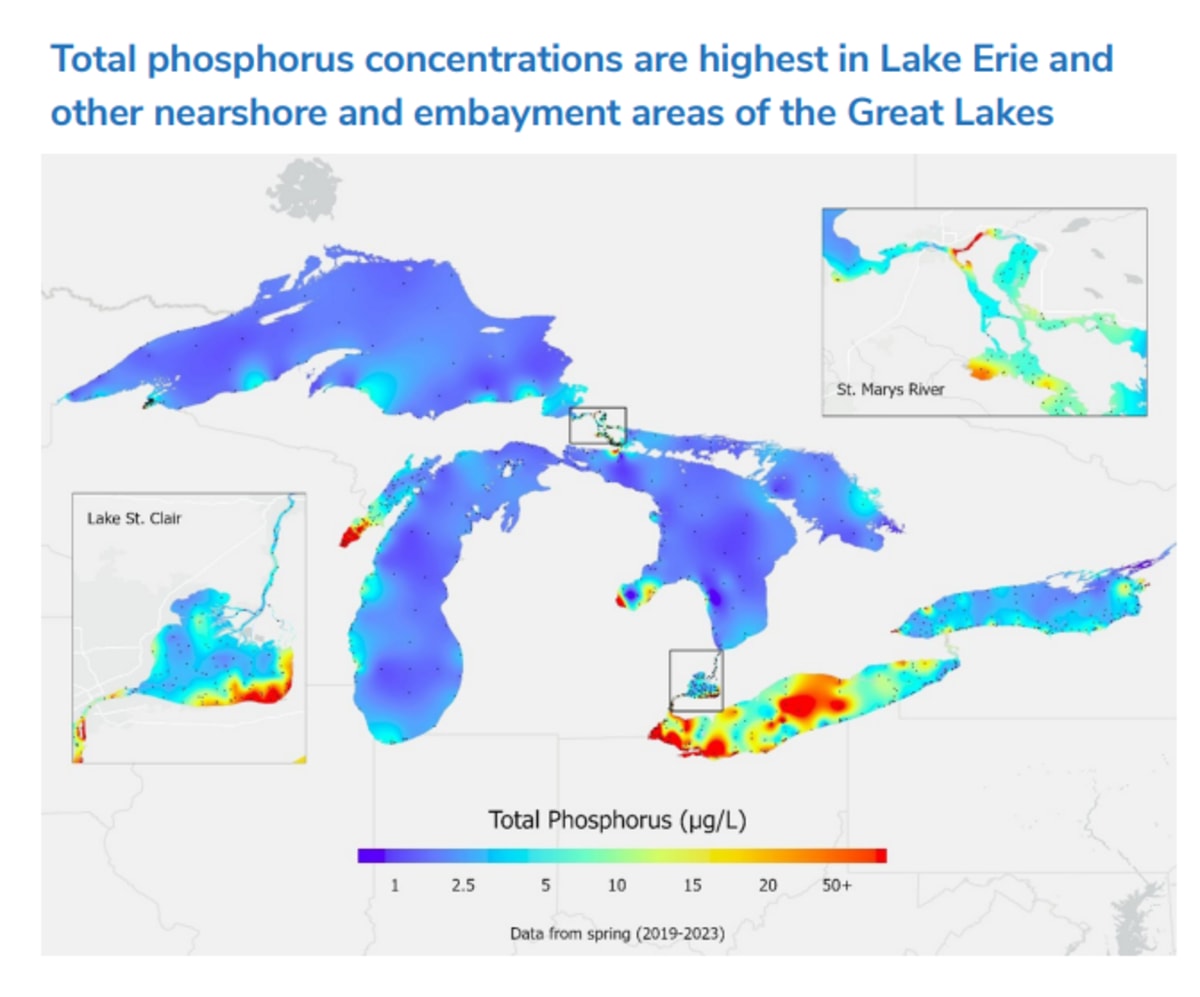
The sensor network also helped identify agricultural runoff as the biggest remaining challenge. While commercial fertilizer use has dropped, manure from growing livestock operations continues feeding harmful algae blooms in the lake's western basin.
Turning one of America's most polluted lakes into its most monitored one is giving scientists the tools they need to protect the fresh water millions depend on.
More Images

Based on reporting by CleanTechnica
This story was written by BrightWire based on verified news reports.
Spread the positivity!
Share this good news with someone who needs it