Scientists Explore Lake Superior's Deepest Point
Researchers livestreamed a dive 1,300 feet down to Lake Superior's darkest depths, revealing thriving life and important clues about the lake's health. The mission showed that even extreme underwater environments can teach us how to protect the Great Lakes.
📺 Watch the full story above
Scientists just proved that pitch-black water more than 1,300 feet below Lake Superior's surface is bursting with life and secrets worth discovering.
This past weekend, fisheries biologist Shawn Sitar and his team sent a remotely-operated vehicle down to Superior Maximus, the lake's deepest point. They livestreamed the entire journey so everyone could watch in real time.
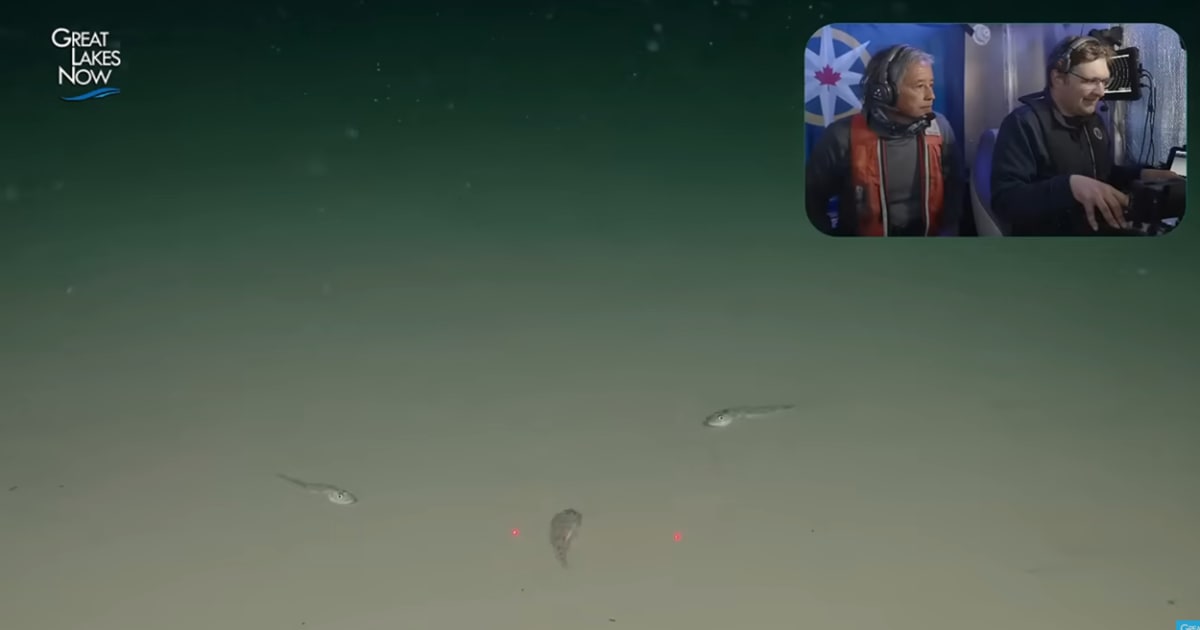
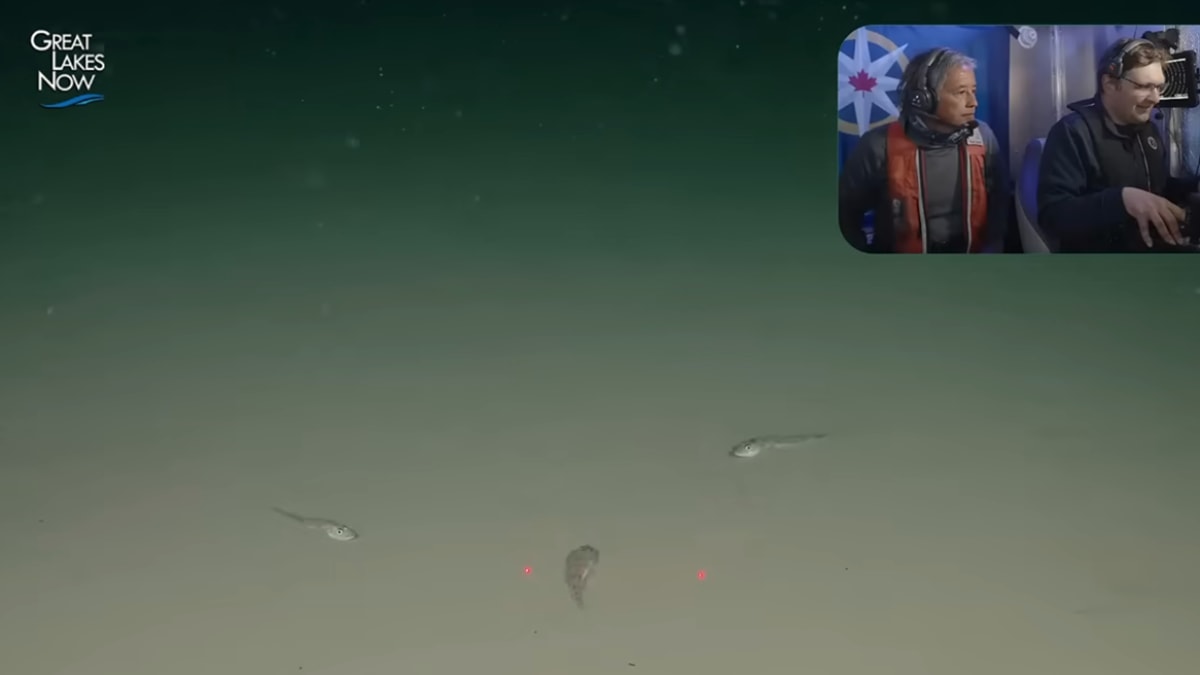
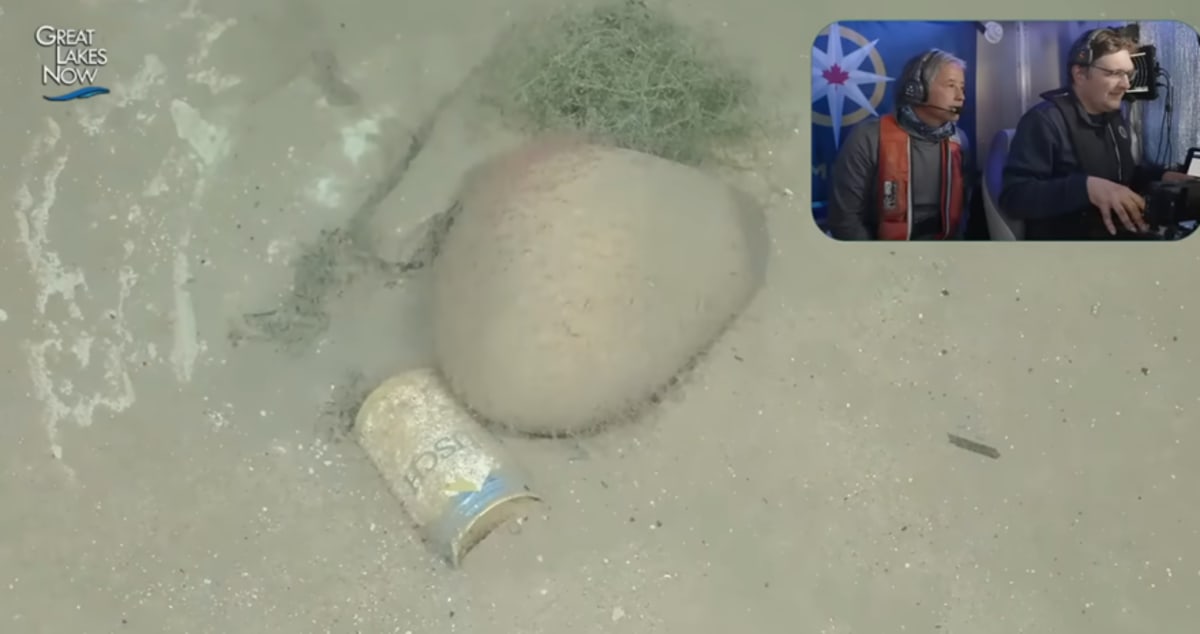
The underwater footage revealed sculpin fish scuttling along the lakebed and anemone-like hydra clinging to rocks. The team even spotted a decades-old Busch beer can that had transformed into an accidental home for lake creatures, turning trash into shelter.
Sitar compares the extreme depths to Mount Everest's summit, but instead of climbing up, they're exploring down. Despite the darkness and crushing pressure, life finds a way to thrive in this harsh environment.
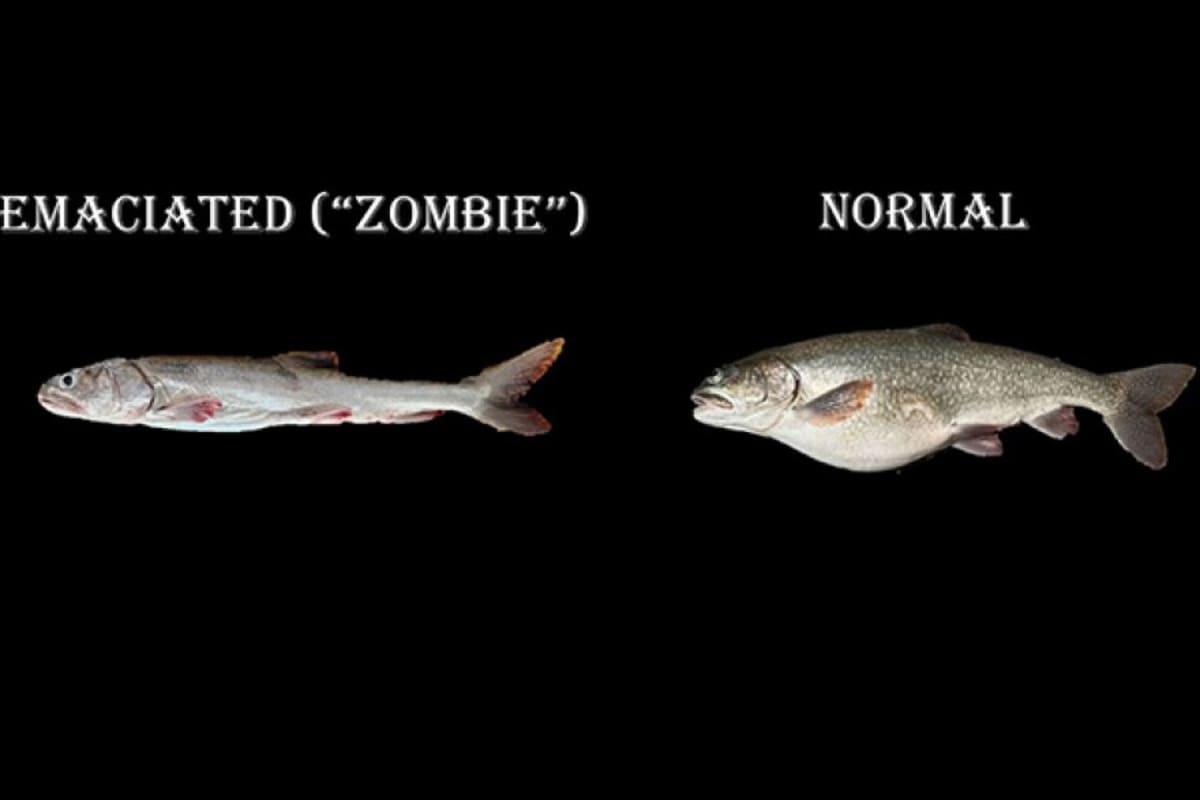
The team wasn't just sightseeing. They were searching for answers about deep-water siscowet, a type of lake trout that's been looking alarmingly thin and zombie-like in recent years. Scientists believe the fish are experiencing a natural famine event, though they're still investigating the exact cause.
These emaciated trout might actually be helping us. Sitar explains that because deep-water ecosystems are so delicate, they work like early warning systems for bigger problems throughout the lake.
Why This Inspires
After studying Lake Superior's depths for 20 years, Sitar finally got to see the bottom with his own eyes through the camera feed. The amount of life thriving in complete darkness amazed him, and he got to share that wonder with thousands watching online.
The livestream tapped into something powerful: our natural curiosity about unknown places. Technology now lets us explore environments too extreme for humans to visit directly, bringing discoveries from the lakebed straight to our screens.
Lake Superior remains healthier than other Great Lakes partly because of its depth and distance from the ocean. Invasive species like sea lamprey cause less damage here, though they still leave wounds on deep-dwelling fish.
Sitar compares lake ecosystems to engines where every part matters. Monitoring extreme environments like Superior Maximus helps scientists spot problems before they spread to the entire system, protecting the lake for future generations.
The mission proved that even Earth's most remote underwater corners deserve our attention and care.
More Images

Based on reporting by Google News - Researchers Find
This story was written by BrightWire based on verified news reports.
Spread the positivity!
Share this good news with someone who needs it