Scientists Find 5-Million-Year-Old Whale Graveyard
Researchers discovered an ancient underwater cemetery in the Indian Ocean filled with whale fossils and thriving ecosystems. The find offers rare insights into whale evolution and the surprising life that blooms around death in the deep sea.
📺 Watch the full story above
Deep beneath the Indian Ocean, scientists found something extraordinary: an underwater graveyard where hundreds of ancient whales came to rest over millions of years.
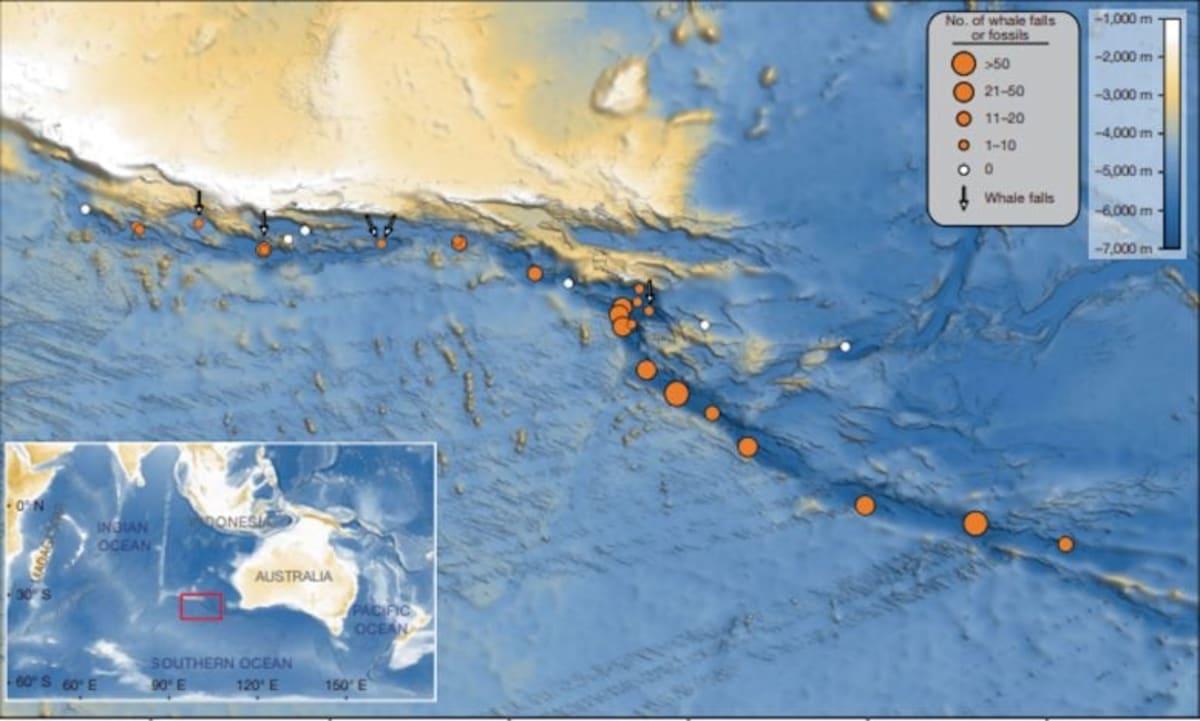
In February 2023, a research team led by Xiaotong Peng from the Chinese Academy of Sciences used a submersible called Fendouzhe to explore the seafloor in the Diamantina Zone. What they discovered took their breath away.
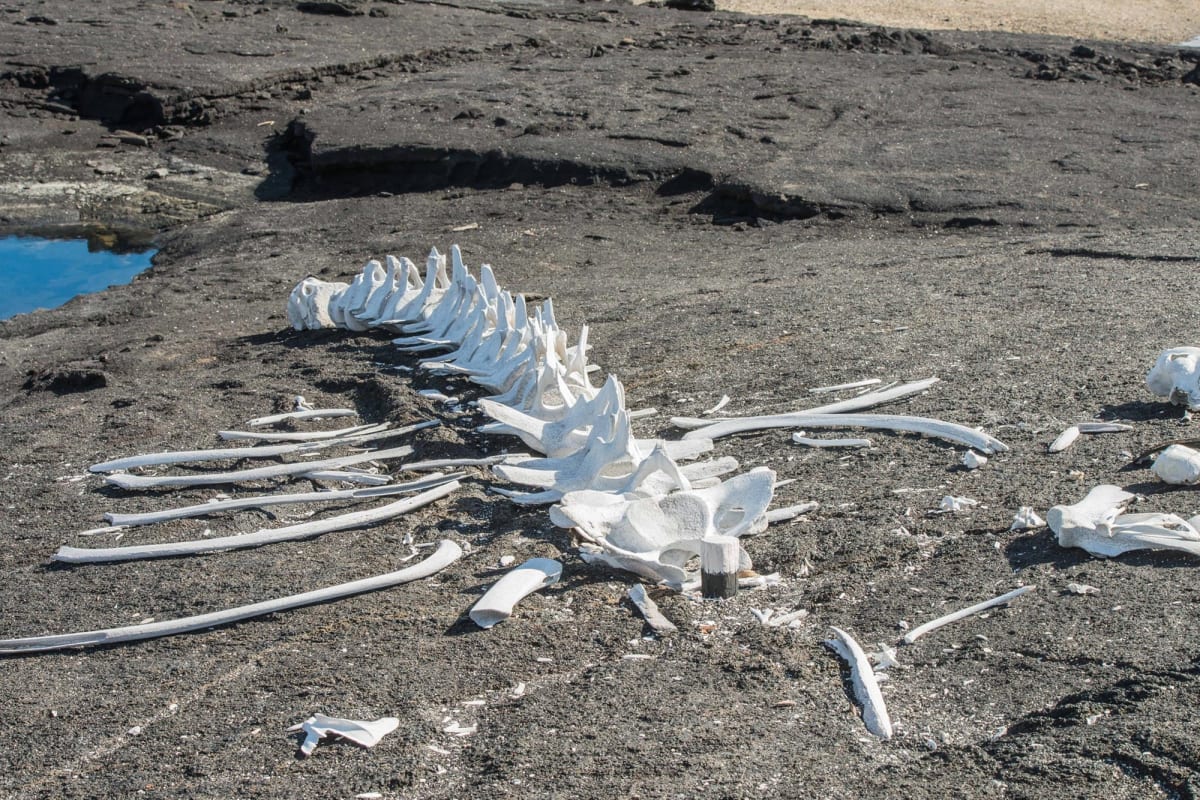
Sprawled across 1,200 kilometers of ocean floor, between depths of 4,200 and 7,000 meters, lay 476 whale fossils and five active whale falls. The oldest remains date back 5.3 million years, making this one of the deepest and most ancient whale graveyards ever documented.
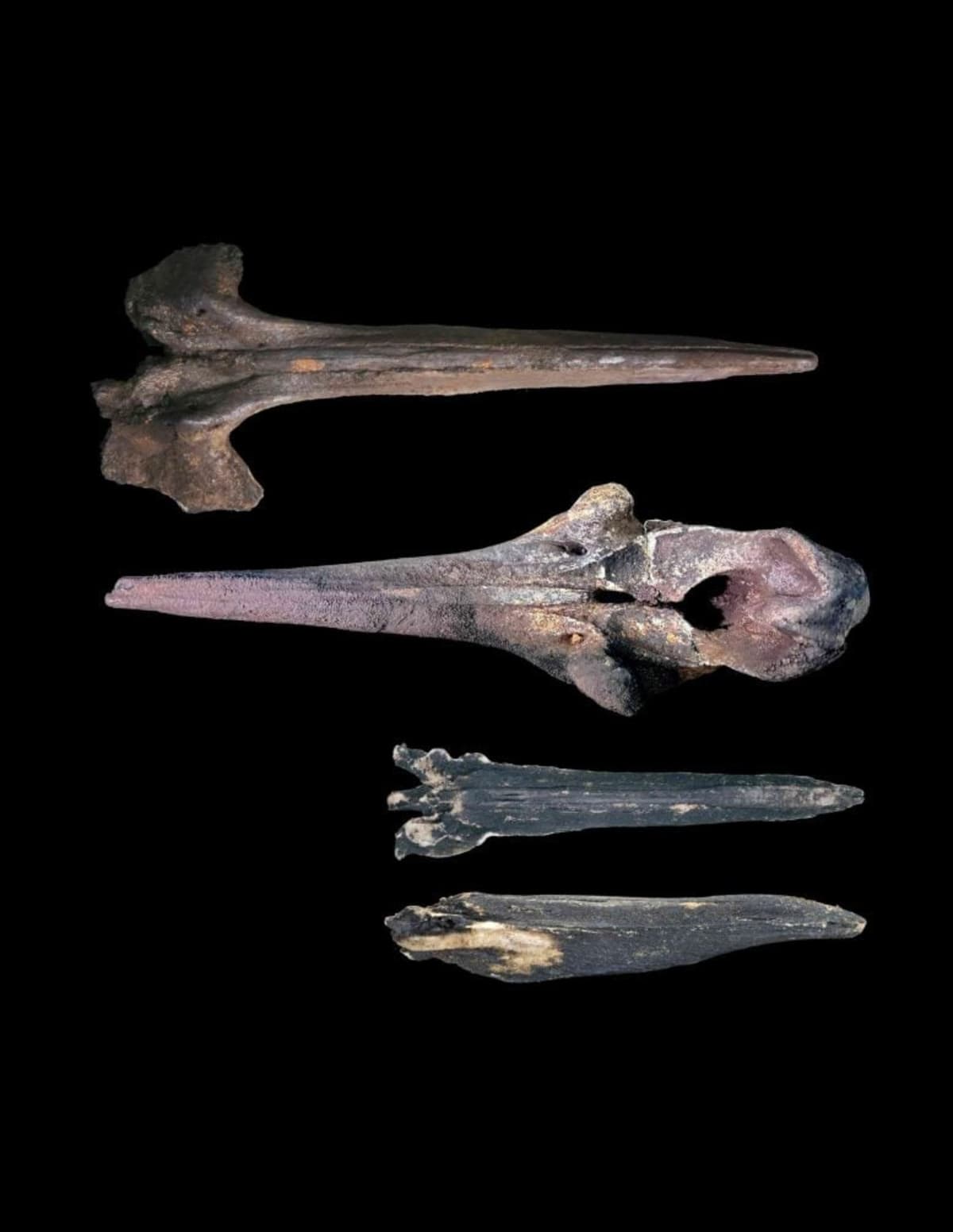
The team spent a month making 32 dives to map the site. They identified fossils from six different whale species, including the Andrews' beaked whale and sei whale, plus a newly discovered extinct species they named Pterocetus diamantinae.
But the real magic wasn't just in the bones. Around the more recent whale falls, entire ecosystems were thriving: jellyfish, brittle stars, and strange bone-boring worms, many potentially new to science.
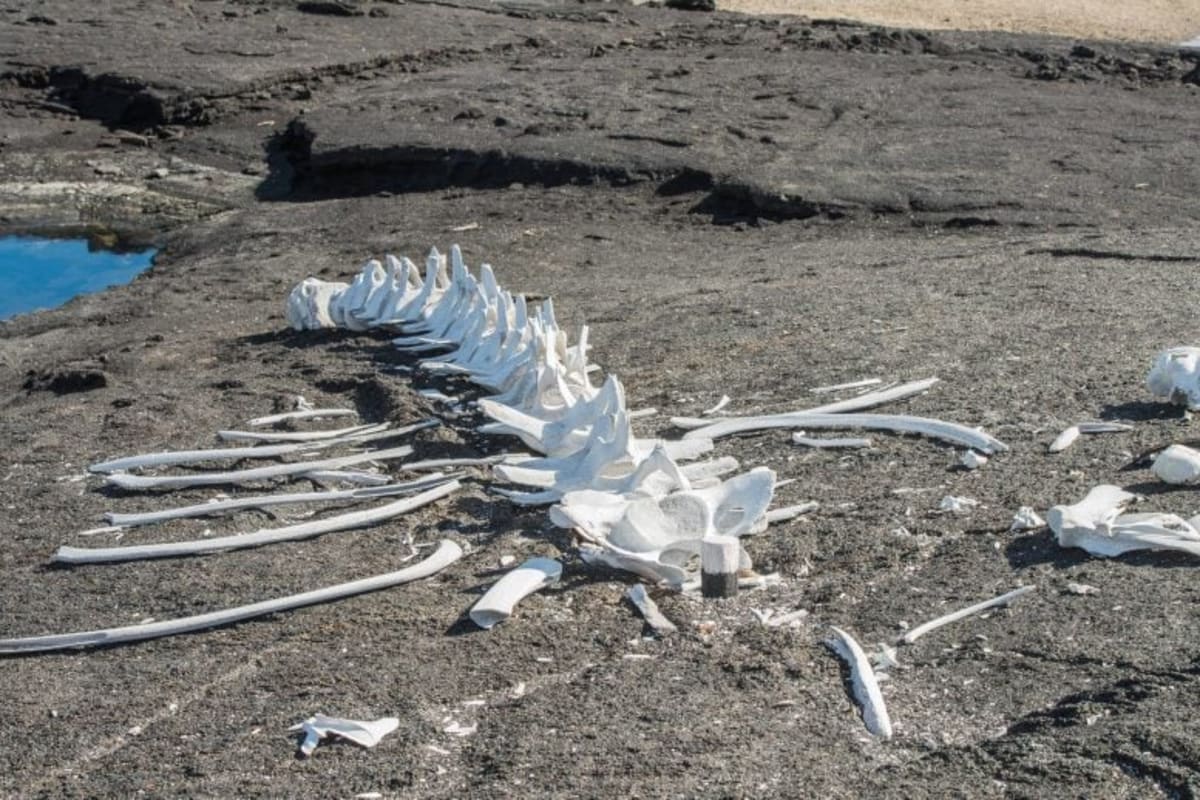
When a whale dies and sinks to the ocean floor, its body becomes a feast that can sustain deep-sea communities for decades. These "whale falls" are incredibly rare to witness because they happen in such remote locations.
Why This Inspires
This discovery reminds us that death can be a beginning, not just an ending. A single whale's final resting place becomes an oasis in the deep sea desert, supporting countless organisms that might otherwise struggle to survive in such a harsh environment.
The research also opens a window into beaked whale evolution spanning from the Pliocene epoch to today. These mysterious offshore creatures routinely dive a kilometer deep and hold their breath for over an hour, yet we know surprisingly little about them.
The V-shaped topography of the Diamantina Zone likely acts as a natural funnel, channeling whale carcasses to the same resting place over millions of years. Combined with the region's large beaked whale population, this geological quirk created a time capsule of marine life history.
For scientists studying whale falls, finding even one is rare. Discovering 476 ancient ones in a single location is like striking gold.
This underwater cemetery proves that even in Earth's most remote and least explored places, there are still wonders waiting to be found.
More Images

Based on reporting by Google News - Scientists Discover
This story was written by BrightWire based on verified news reports.
Spread the positivity!
Share this good news with someone who needs it