Lake Sturgeon May Live Over 400 Years, Study Finds
Ancient fish swimming in the Great Lakes could be older than the United States itself. New research reveals lake sturgeon may live more than 400 years, nearly triple previous estimates.
Scientists have discovered that some lake sturgeon gliding through the Great Lakes were alive before America became a country.
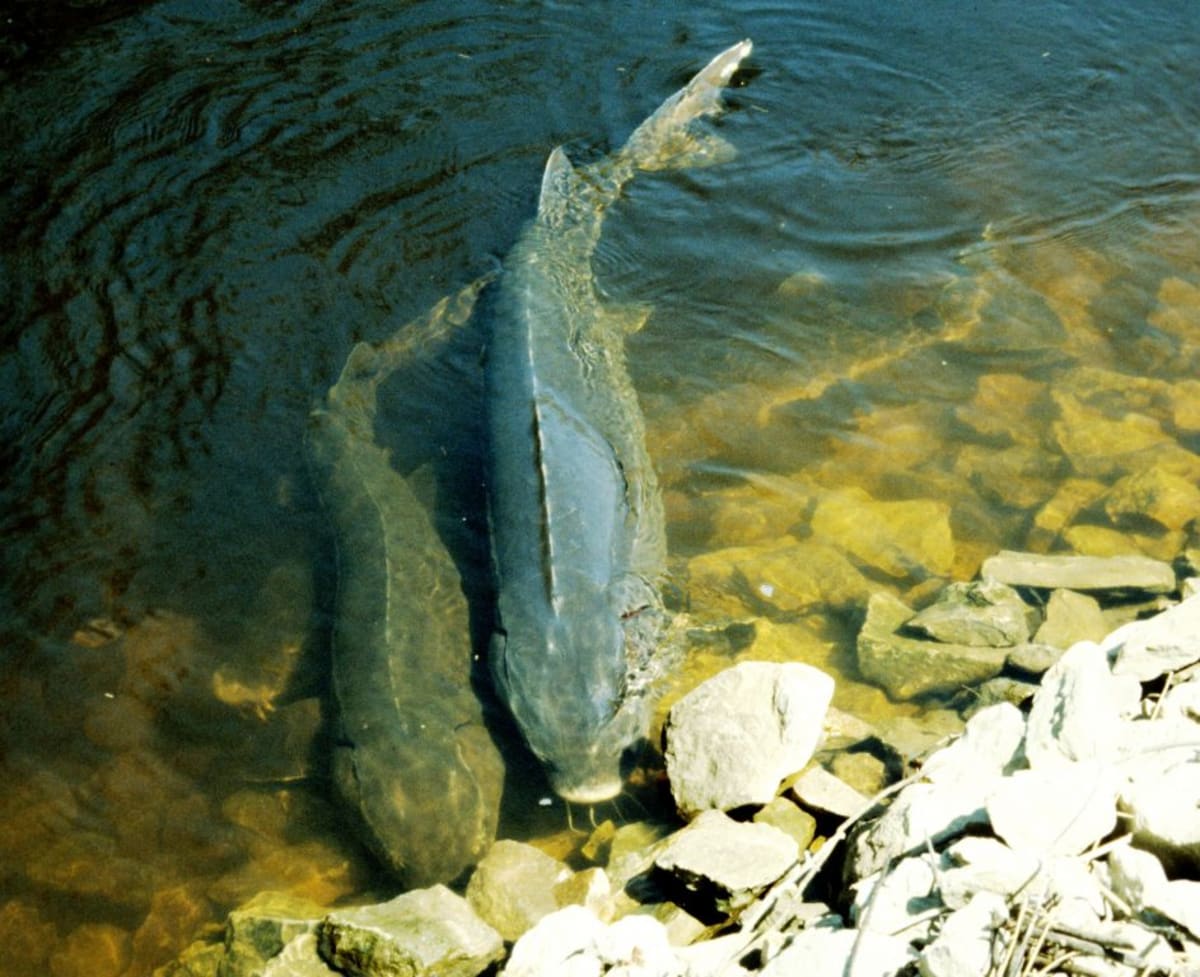
A groundbreaking study by Michigan and Wisconsin wildlife officials found these ancient fish may live up to 427 years, far beyond the 150 years researchers previously believed. Some sturgeon swimming today could have hatched in the 1600s.
"I had no expectation that we would get ages in the 2 to 400 year range," said lead researcher Ed Baker. "Some of them have been swimming around in the Great Lakes since before the U.S. was a country."
The study examined five lake sturgeon populations across Michigan and Wisconsin, including Lake Winnebago, home to one of North America's largest sturgeon communities. Researchers found males can live up to 279 years, while females may reach 427 years old.
That longevity rivals the Greenland shark, one of the longest living animals on Earth. The discovery places lake sturgeon among the most ancient creatures still thriving today.
Previous age estimates relied on counting growth rings in ear bones, similar to tree rings. But sturgeon grow so slowly as they age that those rings blur together, making accurate counting nearly impossible.
This time, scientists used decades of data from tagged fish to track actual growth rates. In Lake Winnebago alone, researchers studied fish caught and recaptured over 44 years to calculate true longevity.
Why This Inspires
This discovery shows nature's incredible resilience when given a chance to recover. Lake sturgeon populations crashed to less than 1 percent of historical levels due to overfishing, yet careful management has brought them back.
Margaret Stadig, a Wisconsin sturgeon biologist, says the average Lake Winnebago sturgeon lives about 100 years, though some reach 200. The fact that these fish can live so long means conservation efforts today will benefit generations centuries from now.
Lake Winnebago now supports a managed winter spearing season, with over 1,500 sturgeon harvested this past year. The findings will help wildlife officials keep harvest rates conservative enough to protect these ancient swimmers.
"It is just a testament to the management that has been going on," Stadig said. "We are continuing to maintain this population, allowing these fish the chance to grow and reach these ages once again."
These living dinosaurs survived millions of years and are now making a comeback in our lifetime.
Based on reporting by Google News - Researchers Find
This story was written by BrightWire based on verified news reports.
Spread the positivity!
Share this good news with someone who needs it