Lakshadweep: India's Coral Islands Battle Climate Change
India's only coral atolls support 65,000 people and 640 square kilometers of thriving marine life, built entirely by living reefs. Now scientists are documenting how these fragile island communities are protecting their ocean home while facing rising seas.
Tiny rings of land in the Arabian Sea hold one of India's most remarkable ocean ecosystems, where entire islands exist only because coral reefs built them over thousands of years.
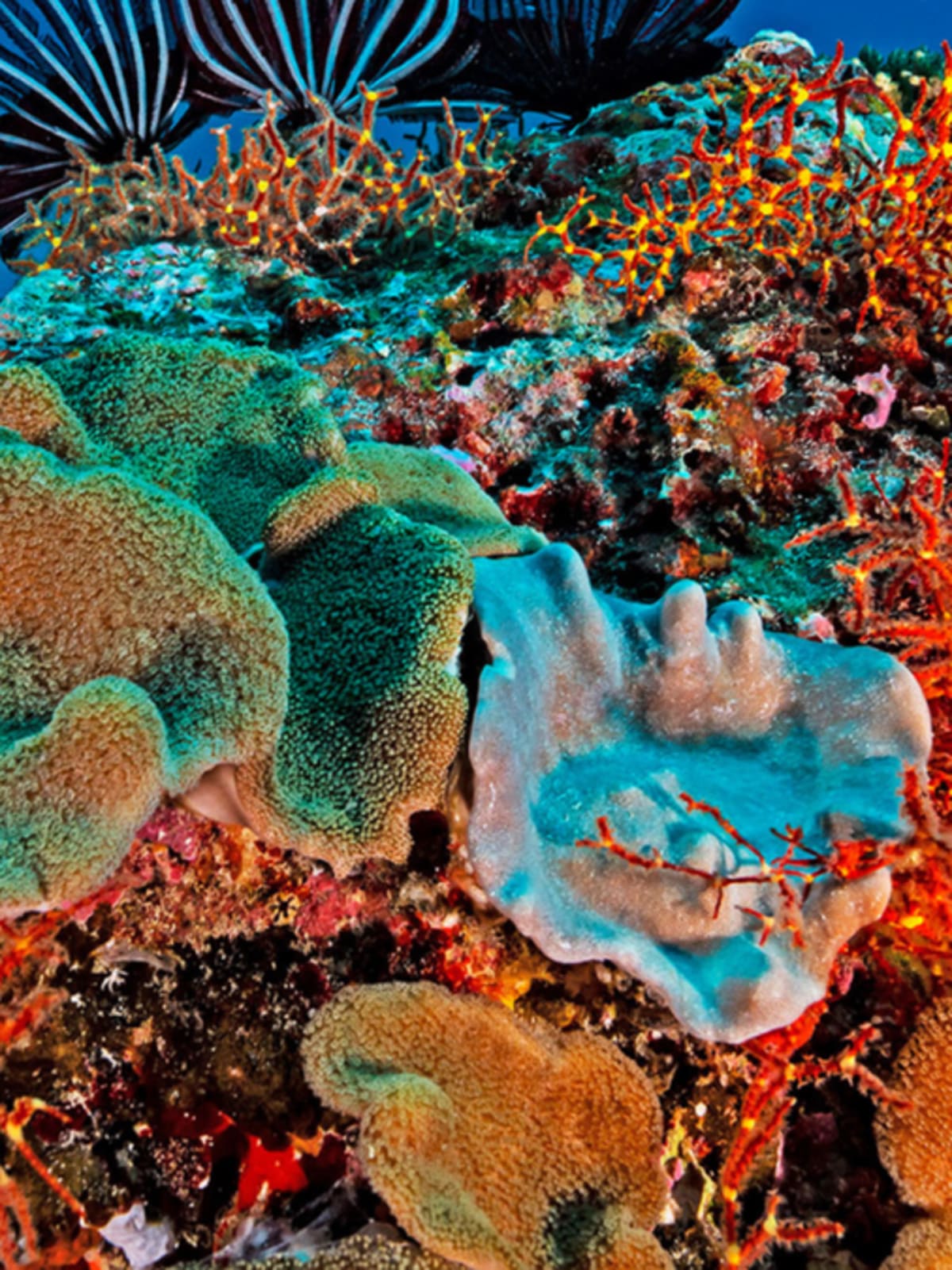
Lakshadweep's 11 inhabited islands barely cover 32 square kilometers of land, but the surrounding reefs, lagoons, and underwater habitats span more than 640 square kilometers. These are India's only true coral atolls, ring-shaped formations created when living corals grew around ancient submerged volcanoes.
The reefs do more than create postcard-perfect scenery. They act as natural barriers against ocean waves, shape the islands themselves, and provide homes for surgeonfish, moray eels, sea turtles, and countless other marine species that keep the ecosystem thriving.
Over 65,000 people call these islands home, living in communities that have depended on the ocean for food, transport, and culture for generations. Most speak Malayalam and follow Islam, while Minicoy island maintains strong cultural ties to the Maldives and speaks Mahl, a form of Dhivehi.
Lakshadweep's fishers practice traditional pole-and-line tuna fishing, recognized as one of the world's most sustainable fishing methods. Instead of large nets that damage reefs and trap unintended catch, fishers catch tuna one at a time, preserving the marine environment their lives depend on.
The corals themselves survive in unusually nutrient-poor waters through partnership with microscopic algae called zooxanthellae, which help produce energy. This delicate relationship sustains the foundation of everything else: the fish, the islands, the people.
The Ripple Effect
When coral reefs stay healthy, the benefits spread far beyond beautiful diving spots. The reefs protect shorelines from erosion, support fishing communities, shelter biodiversity, and show us that sustainable ocean practices actually work in the real world.
Scientists are now documenting how these island communities balance fishing traditions, tourism, and conservation while facing climate threats like rising seas and warming waters. Their traditional knowledge about sustainable fishing offers lessons that larger fishing operations worldwide could follow.
Climate change poses real challenges to these low-lying islands, but the communities protecting them have survived by understanding their ocean home for generations.
Based on reporting by The Better India
This story was written by BrightWire based on verified news reports.
Spread the positivity!
Share this good news with someone who needs it


