Largest Medieval 'Super Ship' Ever Found Off Denmark Coast
Archaeologists discovered a massive 600-year-old merchant ship off Denmark, the largest cog ever found. The wreck reveals how medieval trade networks revolutionized daily life across Northern Europe.
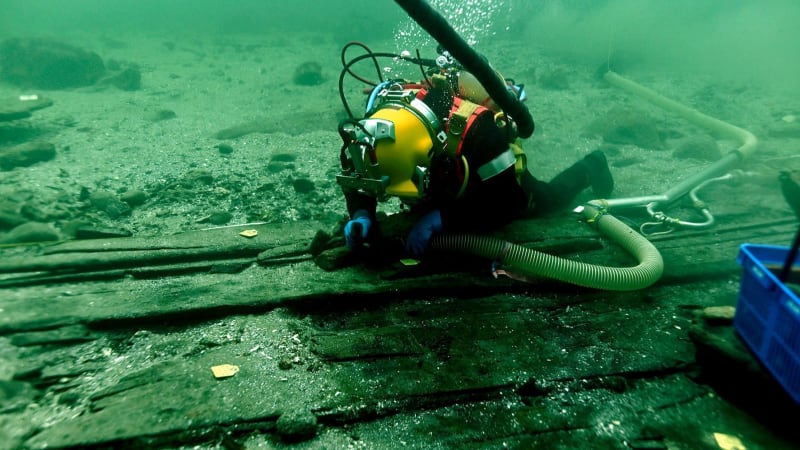
A 92-foot medieval "super ship" has emerged from the waters off Copenhagen, rewriting what we know about ancient commerce and innovation.
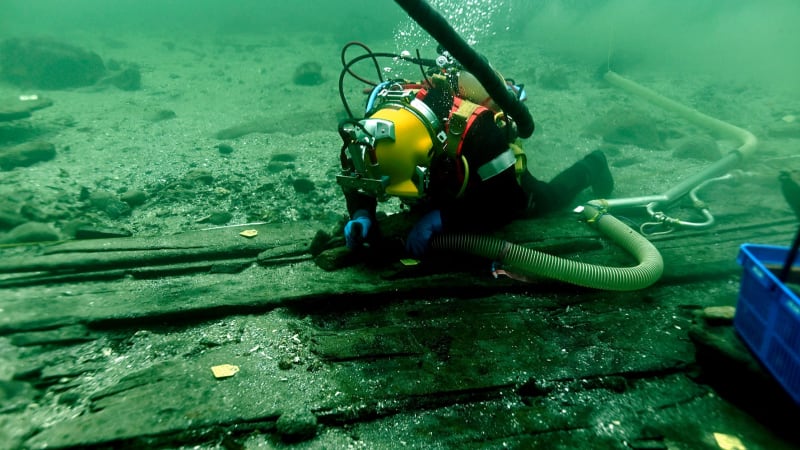
The vessel, named Svælget 2, sat hidden 43 feet below the surface of the strait between Denmark and Sweden for six centuries. Archaeologists stumbled upon it while surveying the seabed for a planned artificial island, uncovering what researchers are calling the largest cog ever discovered.
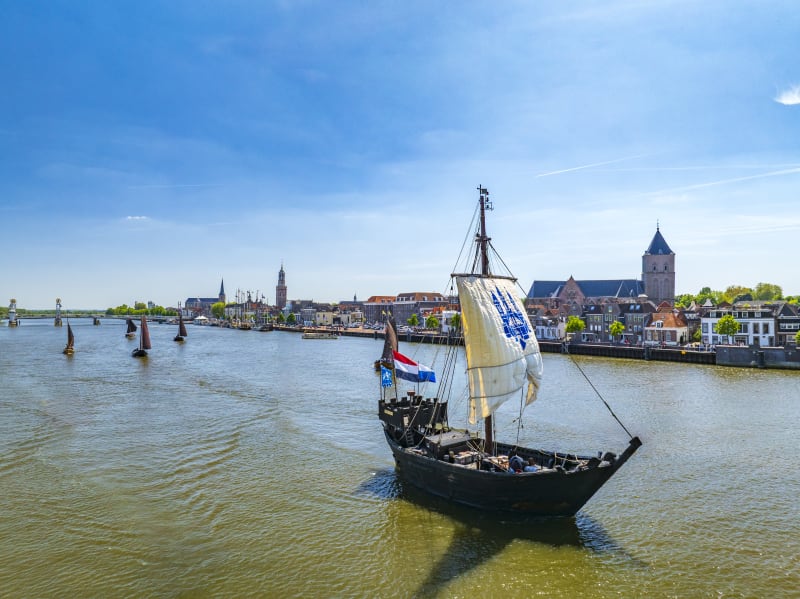
Cogs were the cargo workhorses of the Middle Ages, single-sailed ships that transformed trade in the 1400s. This giant could haul hundreds of tons of everyday goods like salt, timber, bricks, and food across treacherous Baltic waters, making long-distance transport affordable for ordinary items rather than just luxury goods.
The wreck preserved remarkable details that typically vanish underwater. Sand protected the starboard side so well that delicate rigging remains intact, something never before seen on a cog. The ship even contained a brick galley, the first found in medieval Danish waters, allowing sailors to cook hot meals over open fires during their voyages.
Personal artifacts paint a vivid picture of life aboard. Archaeologists found cooking pots, bowls, hair combs, and rosary beads, intimate reminders of the crew who sailed this vessel.
Tree ring dating pinpointed the ship's construction to 1410. The wood tells an even bigger story: planks came from Poland while the frame originated in the Netherlands, revealing a sophisticated international timber trade spanning Northern Europe.
The Ripple Effect
This discovery shows how innovation improved ordinary lives centuries ago. Before massive cogs like Svælget 2, only wealthy merchants could afford to ship goods long distances. These revolutionary vessels democratized trade, bringing basic necessities to communities across the Baltic region at prices regular families could afford.
The ship represents a turning point when technology made daily life better for everyone, not just the elite. Salt to preserve food, timber to build homes, and staple goods became accessible to medieval families who previously went without.
"The cog revolutionized trade in Northern Europe," said excavation leader Otto Uldum. "It made it possible to transport goods on a scale never seen before."
The wreck still holds secrets. Researchers haven't found the cargo yet because the open hold would have released barrels as the ship sank. But the journey to uncover this vessel's full story has just begun, promising fresh insights into how medieval innovation shaped the world we inherited.
More Images


Based on reporting by Live Science
This story was written by BrightWire based on verified news reports.
Spread the positivity!
Share this good news with someone who needs it

%2Fhttps%3A%2F%2Ftf-cmsv2-smithsonianmag-media.s3.amazonaws.com%2Ffiler_public%2F75%2F34%2F75342ac4-0f4b-4563-a63d-3012f0feae31%2Fgettyimages-2293659629.jpg)
%2Fhttps%3A%2F%2Ftf-cmsv2-smithsonianmag-media.s3.amazonaws.com%2Ffiler_public%2Fef%2F5b%2Fef5b9055-962e-483d-b70c-ed912c2a6481%2Fviikinkaikainen_rahakatko.jpeg)