LA's First AI Art Museum Welcomes 10,000 in Two Weeks
Dataland, a new Los Angeles gallery, is proving AI art can be more than mindless computer-generated images. Its first exhibit creates an interactive rainforest experience that responds to visitors' movements and even tracks their heartbeats.
A new museum in downtown Los Angeles is changing how people think about artificial intelligence and creativity, one visitor at a time.
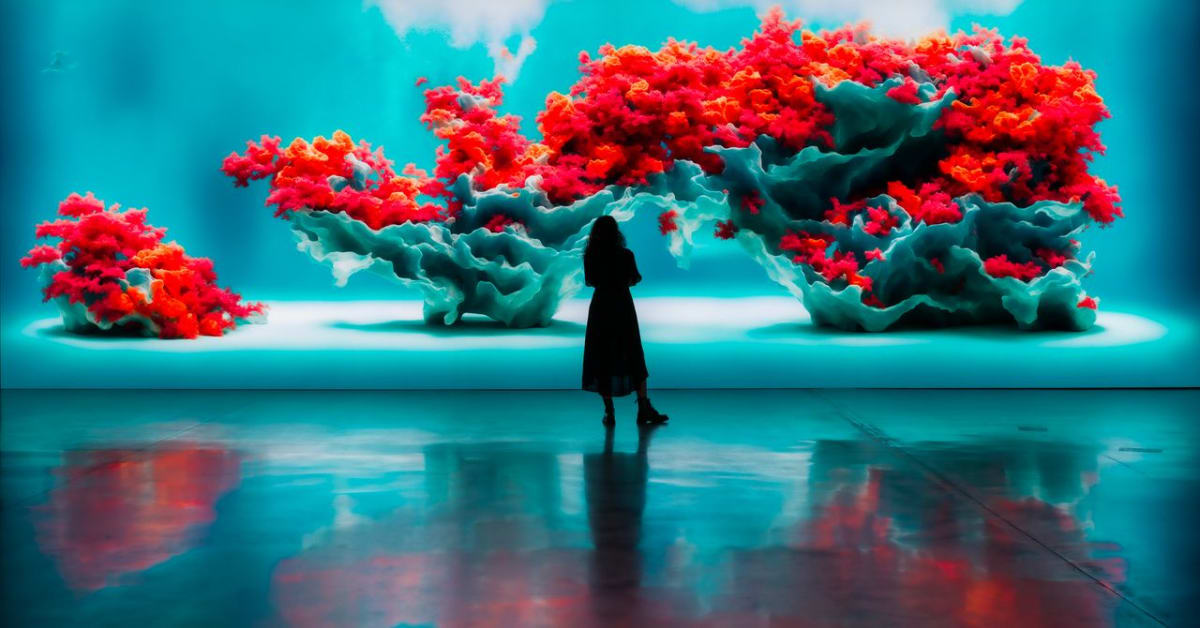
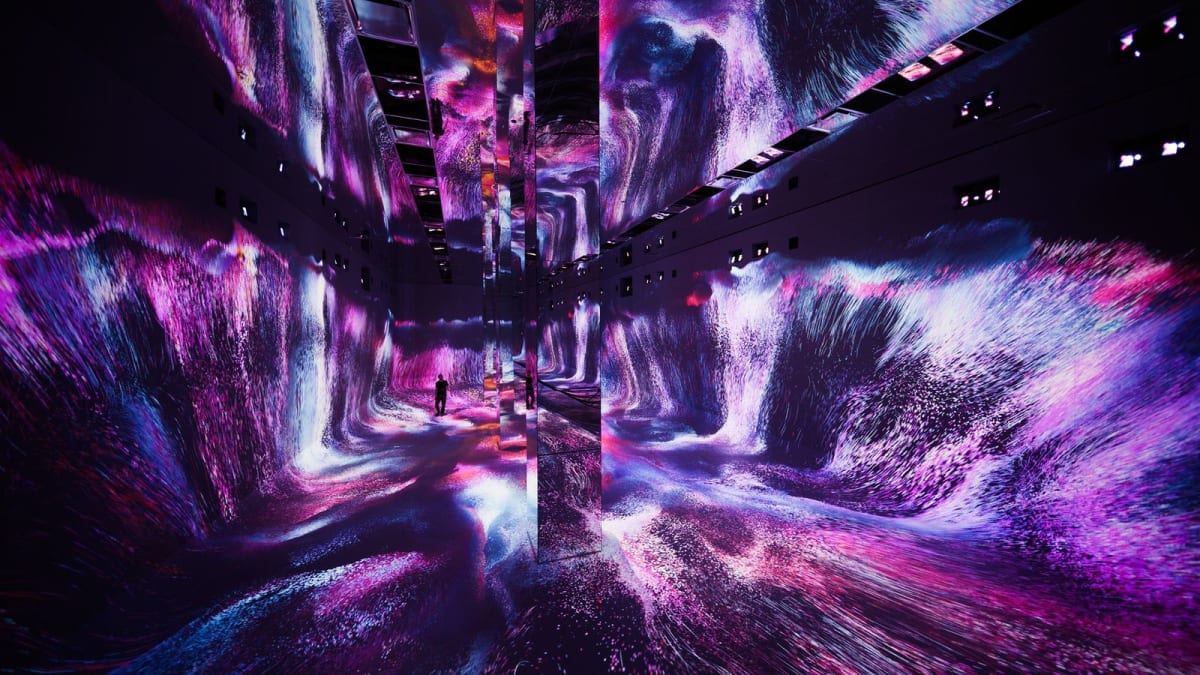
Dataland opened its doors on June 20, welcoming over 10,000 people in its first two weeks. The gallery calls itself the world's first "museum of AI arts," and its debut exhibit, Machine Dreams: Rainforest, offers something most AI art doesn't: a living, breathing experience you can actually interact with.
Artist Refik Anadol created the installation using three years of work and 5 petabytes of data collected from real rainforests, including the Amazon. Visitors wear smartwatches and shoulder harnesses that track their movements and biometric data, making the art respond uniquely to each person.
Walk across the floor and a watery circle follows your feet. Wave your hand and digital raindrops shift their path. The exhibit even releases scents like fresh rain and forest trees, creating an experience Anadol says is "impossible to record what it feels like."
What sets Dataland apart is how it sources its material. While major tech companies face lawsuits over using artists' work without permission, Anadol and his team traveled to rainforests themselves and worked directly with researchers from institutions like the Smithsonian. Every piece of data was collected with consent.
The gallery also runs on experimental low-energy resources from Google DeepMind, addressing concerns about AI's environmental impact. These choices matter in a world where "AI art" has become synonymous with lazy, computer-generated spam.
Anadol knows most AI art deserves the criticism it gets. "I mean, 100 percent, the majority is right," he says, noting that people assume AI art means "prompt engineering, or a bunch of eight-second clips."
The Ripple Effect
Dataland represents something bigger than one impressive exhibit. It shows that AI can be a tool for genuine artistic innovation when used thoughtfully and ethically.
The installation asks a fascinating question: Instead of humans feeling something when they look at art, can artwork feel us back? The biosensors create temporary fingerprints on the experience, making each visitor part of the art itself.
Anadol believes we're living through "a renaissance" in art, even if we don't have a name for it yet. Based on the crowds flocking to Dataland, thousands of people are ready to discover what that renaissance looks like.
More Images


Based on reporting by Wired
This story was written by BrightWire based on verified news reports.
Spread the positivity!
Share this good news with someone who needs it