LATAM Cuts 160 Tonnes CO₂ with Sustainable Aviation Fuel
A major South American airline just proved that cleaner flights are possible today, not someday. LATAM Airlines partnered with a luxury tour company to power 13 passenger flights with sustainable fuel, slashing emissions by 160 tonnes.
When passengers boarded charter flights between Santiago, Chile, and Ushuaia, Argentina, they were part of aviation history without even knowing it.
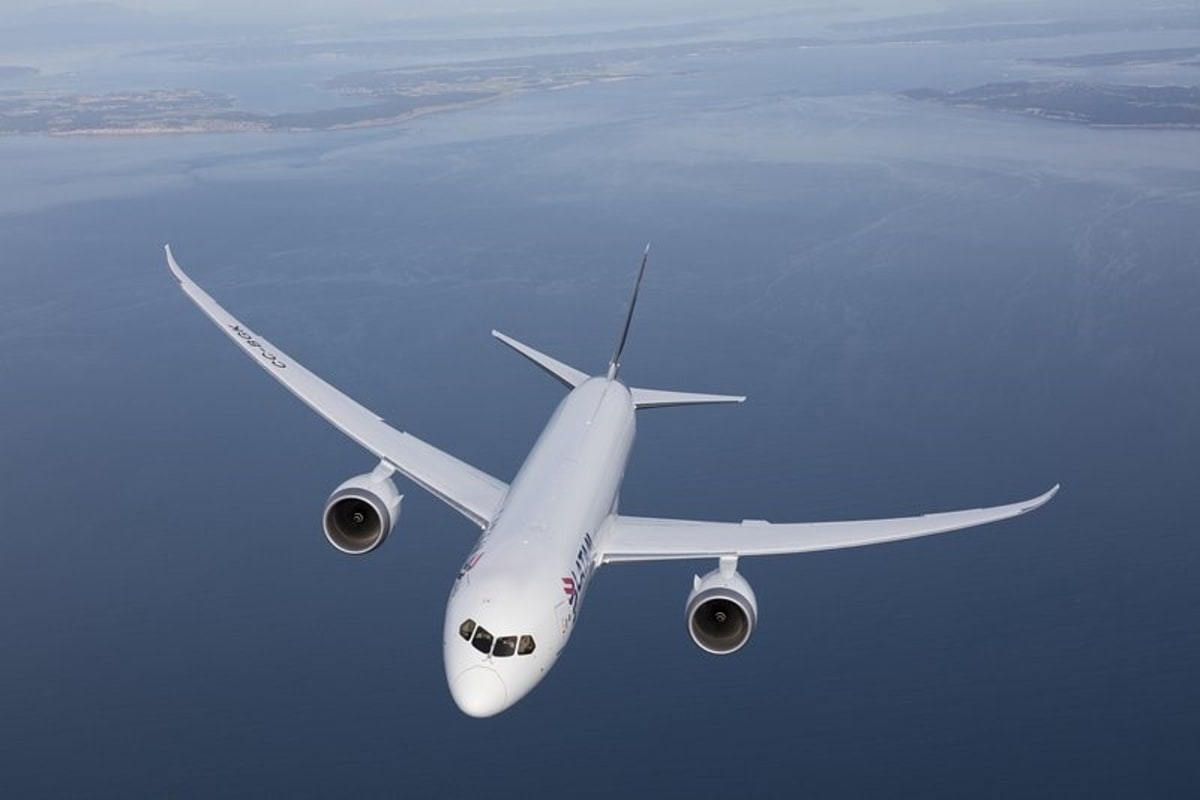
LATAM Airlines Group just completed its first passenger charter operation using Sustainable Aviation Fuel (SAF), cutting approximately 160 tonnes of CO₂ emissions in partnership with French expedition company PONANT. The 13 flights used 22,400 gallons of fuel made from renewable materials instead of traditional jet fuel.
This wasn't a distant promise or far-off pilot program. These were real flights carrying real passengers to explore some of South America's most stunning landscapes, proving that lower-emission air travel can happen right now.
The sustainable fuel, produced by Neste from renewable raw materials, achieved a 74.72% emissions reduction compared to conventional jet fuel across its entire lifecycle. LATAM allocated the fuel using a Book-and-Claim methodology, which tracks sustainable fuel benefits even when the physical fuel gets blended into the broader fuel supply.
The Ripple Effect
This collaboration between LATAM and PONANT shows how airlines and customers working together can speed up aviation's shift toward sustainability. When a luxury tour operator demanded cleaner flights for its guests, the airline found a way to deliver.
Thibaud Morand, LATAM's General Manager for Europe, Asia and Oceania, emphasized that advancing sustainable aviation requires commitment from everyone in the industry. Customers now have concrete ways to reduce emissions from their air travel, not just offset them.
For PONANT, the partnership represented another step toward more sustainable tourism. The company wanted to offer exploration experiences that respect the very environments its guests travel to see.
The project followed strict measurement protocols established by the International Civil Aviation Organization, ensuring the emissions reductions were real and verifiable. No greenwashing, just documented results based on comparing the lifecycle emissions of conventional versus sustainable fuel.
This milestone matters because aviation accounts for roughly 2-3% of global CO₂ emissions, and sustainable fuel remains one of the few proven ways to reduce those emissions significantly with current aircraft technology. Every successful SAF operation builds momentum for wider adoption across the industry.
Based on reporting by Google News - Emissions Reduction
This story was written by BrightWire based on verified news reports.
Spread the positivity!
Share this good news with someone who needs it