Law Student Saves Allowance, Creates 9 Jobs in South Africa
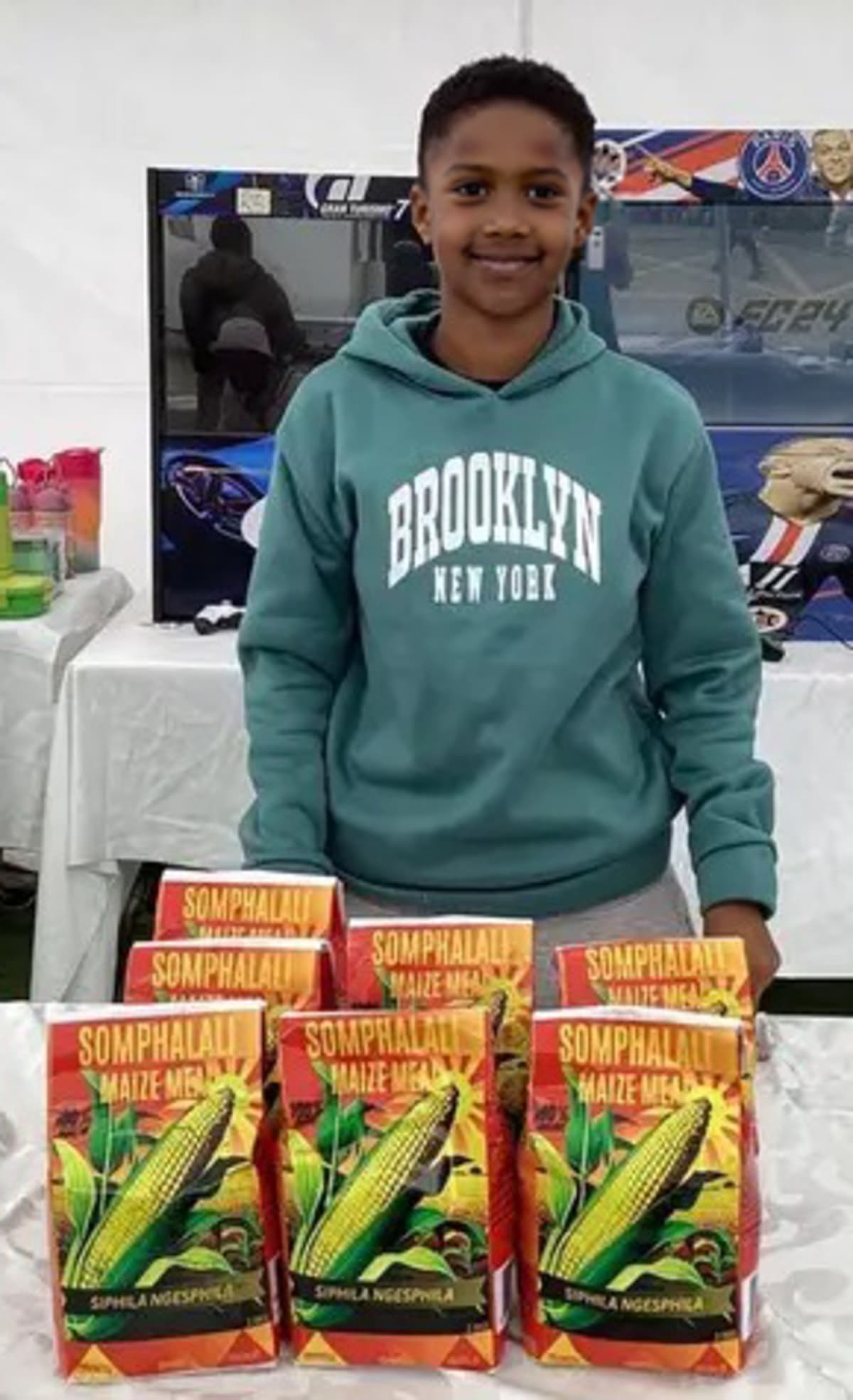
A university student in South Africa pooled her living allowance with two friends to buy a maize-grinding machine and solve a real problem in her community. Two and a half years later, their business employs nine people and just won third place in a national entrepreneurship competition.
Thando Masutu saw farmers in her KwaNdebele community spending money they didn't have just to process their maize. They had to travel outside the area because no local milling services existed, and transport costs were draining household budgets while young people struggled to find work.
The fourth-year law student at North-West University decided to do something about it. In January 2024, she approached Chief Bongani Mahlangu about using land for a business that could serve local farmers and create jobs.
The chief gave Thando and her two co-founders permission to establish SoMphalali Maize-Milling on 16 hectares of land. But they needed equipment, and as students, none of them had money to spare.
That's when they made a bold choice. Thando, along with Jabu Gift Masombuka and Sbusiso Petrus Skhosana, pooled their student living allowances from NSFAS to buy their first maize-grinding machine.
"We joked that we had just spent our entire savings on a single machine," Thando says. "It was the greatest investment we had ever made."
The turning point came when Thando joined the university's Student Training for Entrepreneurial Promotion program in March 2025. The STEP program helped her transform the vision into a structured business plan.
"STEP transformed the way I viewed entrepreneurship," she says. "The biggest lesson I learnt was simple: start."
Today, the company operates two maize-grinding machines in their mini-factory. Farmers can now process their maize locally, saving money and time while supporting a business that's creating opportunity in their own backyard.
The venture won third place in the national Harmony Food and Health Security, Employability and Entrepreneurship Enactus Challenge in July 2026. But for Thando, the real victory is simpler.
The Ripple Effect
Nine families now have steady income because three students believed a problem in their community deserved a solution. Those nine jobs represent parents who can buy school supplies, households with grocery money, and young people gaining work experience in an area where opportunities are scarce.
Thando drew inspiration from her grandmother, Lina Masombuka, who has run Shuku-Shukuma Bakery in KwaNdebele for more than 40 years. "Innovation does not always begin with new technology," she says. "Sometimes it begins by listening to those who came before us."
She's balancing her final year of law school with running the business and co-founding the IntelliJus Law Society at her university. Her philosophy keeps her going: "Not knowing the law is too expensive."
Thando plans to complete her degree this year, then travel to learn from different economies and bring that knowledge back to build more solutions in South Africa. She wants to see problems "developed, owned and sustained here."
Dr. Kezell Klinck, an NWU STEP trainer, says Thando brought the vision and determination while the program provided structure and practical support. Nine jobs later, that combination is changing lives one milled bag of maize at a time.
Based on reporting by Google News - Jobs Created
This story was written by BrightWire based on verified news reports.
Spread the positivity!
Share this good news with someone who needs it
%2Ffile%2Fattachments%2F2996%2Fharriethoriz_750866.jpg)
%2Ffile%2Fattachments%2F2992%2F688635092_1403790941795291_6434669868162454614_n_856400.jpg)
%2Ffile%2Fauthors%2F1487710282782686547.jpg)