Lebanon Village Unites to Rebuild Destroyed Monastery
In a powerful show of interfaith solidarity, volunteers in a predominantly Shia Muslim village are helping rebuild a Catholic monastery destroyed by conflict. The restoration effort in Zawtar al-Gharbiyeh represents hope rising from the rubble as residents return home. #
When residents of Zawtar al-Gharbiyeh returned to their Lebanese village after Israeli forces withdrew, they found their community in ruins. But instead of letting divisions deepen, something beautiful happened.
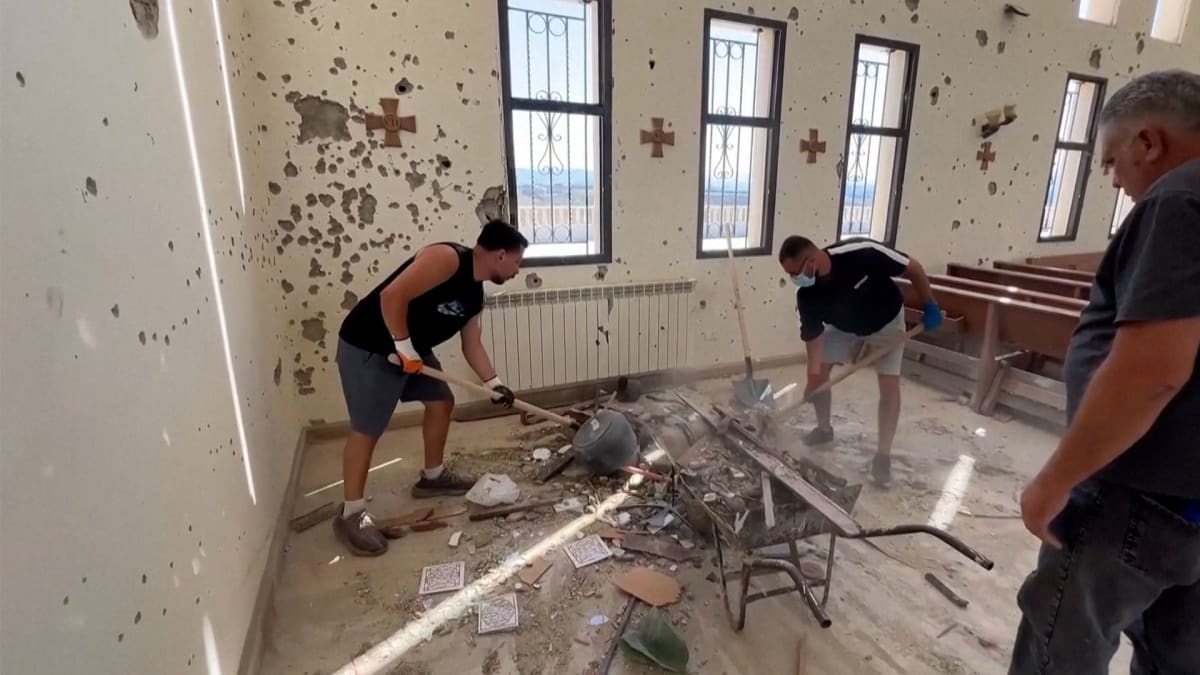
Volunteers from the predominantly Shia Muslim village have launched an interfaith effort to rebuild a destroyed Catholic monastery. The restoration project has become a symbol of unity in a region too often defined by conflict.
Zawtar al-Gharbiyeh is one of Lebanon's designated "pilot zones," areas prioritized for reconstruction and recovery. As families come back to assess the damage, they're finding their homes reduced to rubble and essential infrastructure destroyed.
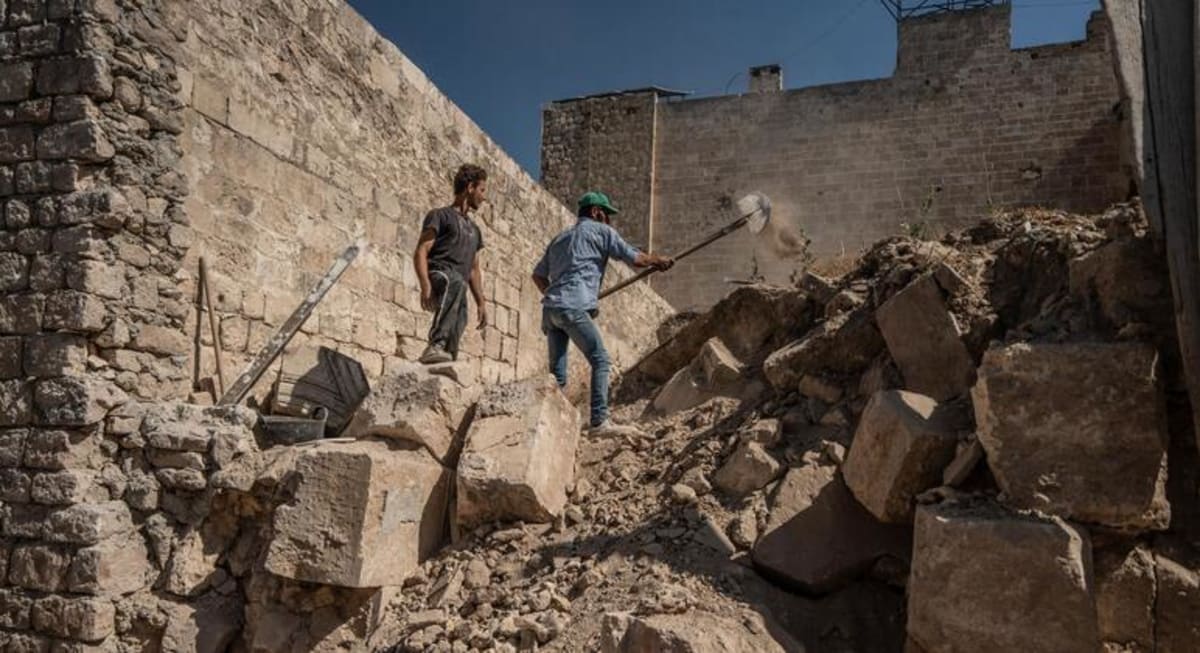
Yet amid the devastation, the community chose connection over separation. Muslim and Christian neighbors are working side by side, clearing debris and laying new foundations where the monastery once stood.
The monastery rebuilding effort goes beyond restoring a single building. It represents a commitment to preserving the village's diverse religious heritage and ensuring that all faith communities have a place in Lebanon's future.
The Ripple Effect
This grassroots reconstruction project is sending ripples far beyond one village. It's demonstrating that even after conflict tears communities apart, ordinary people can choose to rebuild together rather than retreat into isolation.
The interfaith cooperation in Zawtar al-Gharbiyeh offers a template for other returning communities facing similar challenges. When neighbors help restore each other's sacred spaces, they're not just fixing buildings but repairing the social fabric itself.
Similar volunteer efforts are emerging across Lebanon's pilot zones, with residents pooling limited resources to help the most vulnerable rebuild first. These acts of solidarity are creating networks of mutual support that could strengthen communities for years to come.
The monastery project also highlights how local volunteers often mobilize faster than official aid programs. While waiting for government assistance and international relief, residents are taking recovery into their own hands.
Lebanon has faced years of compounding crises, from economic collapse to political instability to devastating conflict. Yet stories like Zawtar al-Gharbiyeh remind us that resilience lives in communities, not just institutions.
One destroyed monastery is being transformed into a monument to interfaith harmony, built by hands that refuse to give up on their shared home.
#
Based on reporting by Google: volunteers help
This story was written by BrightWire based on verified news reports.
Spread the positivity!
Share this good news with someone who needs it