Liberia Gets $104M for Climate-Smart Farming
Liberia just launched a $103.9 million program to help farmers fight climate change while feeding the nation. The five-year project will reach seven counties with better farming methods, restored land, and new economic opportunities.
Farmers across Liberia are getting a major boost to combat unpredictable weather and grow more food, thanks to a $103.9 million investment in climate-smart agriculture.
The Government of Liberia, partnering with the United Nations Development Program and funded by the Global Environment Facility, launched the SARTLA Project this month. Running from 2025 to 2030, it's one of the largest investments in Liberian agriculture in decades.
More than half of Liberia's workforce depends on farming, yet the sector has struggled with poor infrastructure, declining soil quality, and increasingly erratic weather. Farmers have reported growing problems with unpredictable rainfall, flooding, soil erosion, and pest infestations that threaten rice and other staple crops.
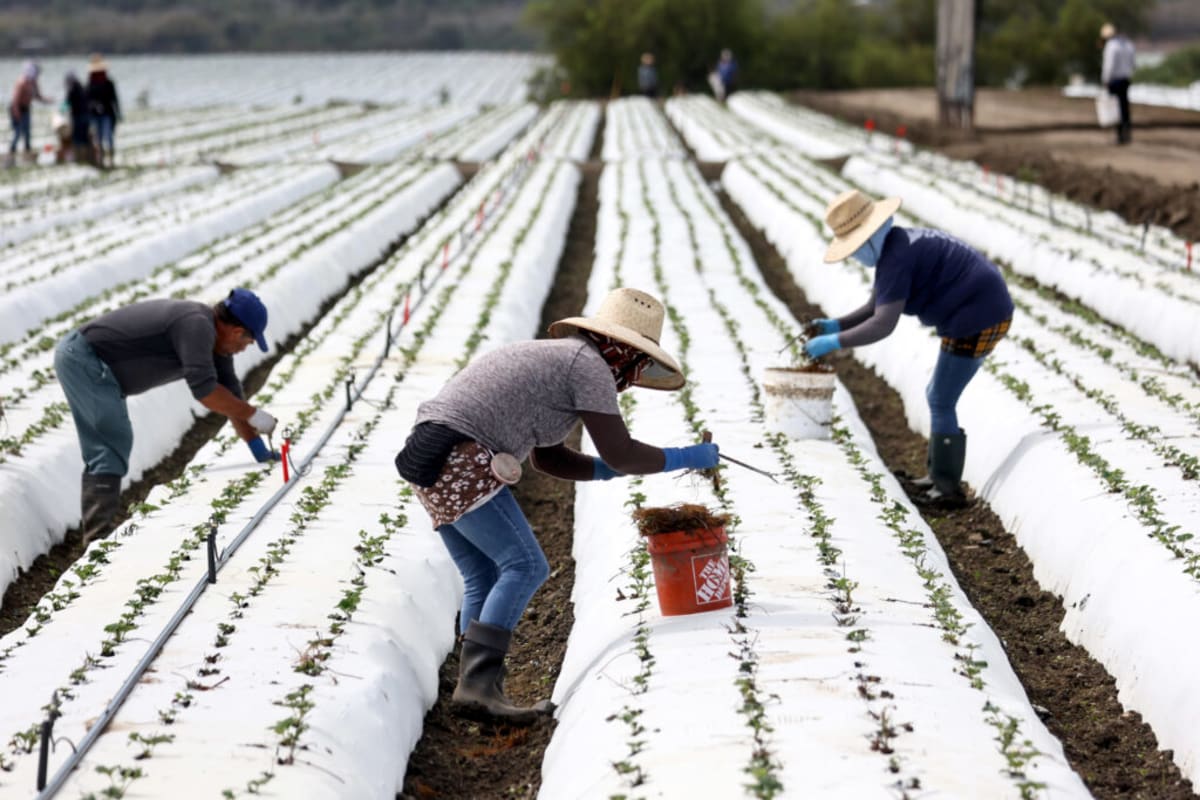
The project will reach seven counties with practical solutions. Farmers will learn climate-smart techniques that work with changing weather patterns instead of against them. Fishing communities will get support for sustainable practices that protect coastal areas while maintaining livelihoods.
"Climate change is no longer a distant conversation confined to international forums," said EPA Deputy Executive Director Anthony Kollie at the launch. Communities in Bong, Lofa, Grand Cape Mount, Montserrado, Maryland, Margibi, and Nimba Counties are already experiencing the effects through rising temperatures, coastal erosion, and changing weather patterns.
The program goes beyond just planting crops. It includes restoring degraded land, improving storage facilities to reduce food waste, and connecting small farmers to larger markets where they can earn better incomes.
The Ripple Effect
This investment could transform Liberia's food security. The country currently imports most of its rice despite having an agricultural economy, leaving families vulnerable to international price swings and supply disruptions.
Better storage and processing facilities will help farmers keep more of what they grow instead of losing crops to spoilage. Improved market access means rural families can earn more money and reinvest in their farms and communities.
"Every dollar invested in resilient farming, storage, processing, and market access multiplies returns in jobs, nutrition, and stability," said Ministry of Finance Senior Economist ZayZay Sillah. The program is expected to create new employment opportunities while protecting the forests and ecosystems that rural communities depend on.
UNDP Liberia's Louis Kuukpen called it a transformational investment. "It is not about incremental change, but about transforming how livelihoods, ecosystems, and markets interact to build long-term resilience."
By 2030, thousands of Liberian families will have stronger tools to weather climate challenges while growing the food their communities need.
More Images

Based on reporting by AllAfrica - Environment
This story was written by BrightWire based on verified news reports.
Spread the positivity!
Share this good news with someone who needs it