Libya Launches National Reconciliation Talks in Tripoli
Libya is bringing together diverse voices for its fourth national reconciliation session, focused on healing and unity. The four-day gathering prioritizes including cultural groups, youth, women, victims, and people with disabilities in shaping the country's path forward.
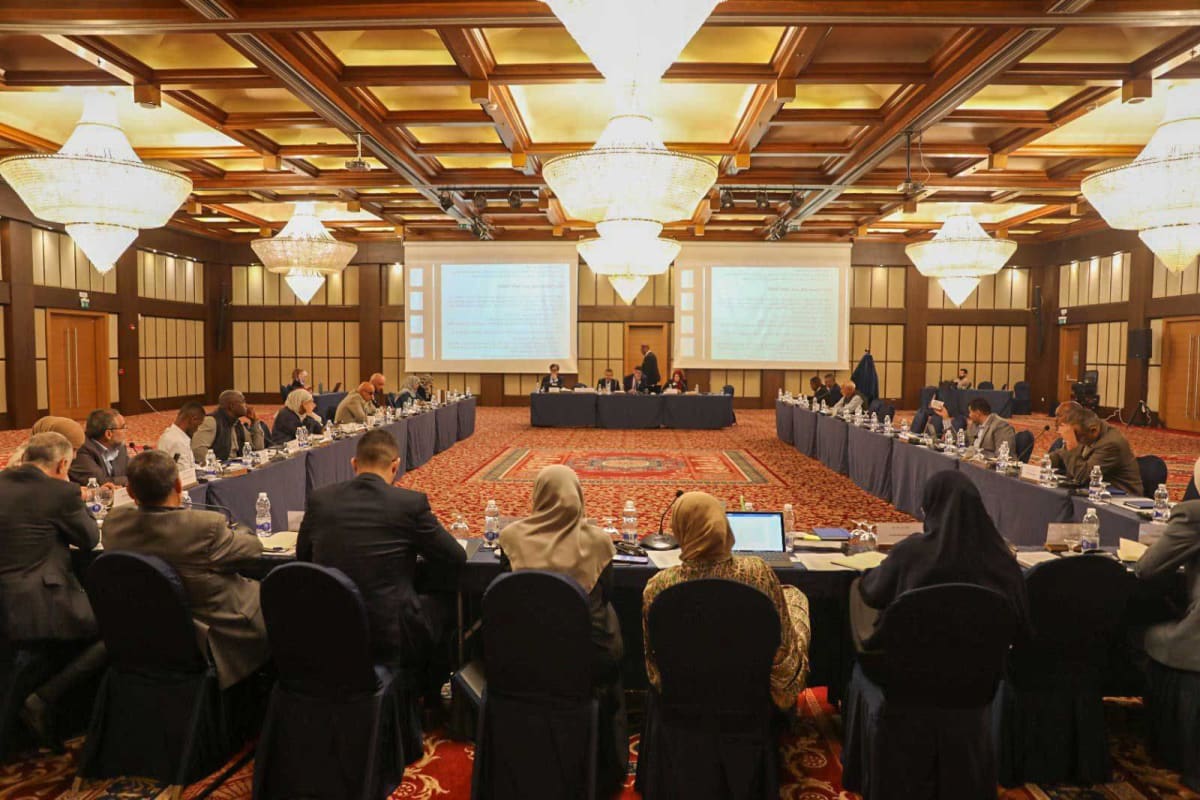
Libya is taking another step toward healing as community leaders, youth, women, and victims gather in Tripoli for critical reconciliation talks. The fourth national reconciliation and human rights session, running May 18-21, brings diverse voices to the table to build a more united future.
The gathering focuses on revising recommendations for both national and local reconciliation while addressing transitional justice. Participants are reviewing past and current peace initiatives to create a comprehensive roadmap forward.
What makes this session special is its commitment to inclusion. Cultural groups, young people, women, victims of conflict, and people with disabilities all have a seat at the table, ensuring the recommendations reflect the entire community's needs.
The talks aim to produce practical, implementable recommendations grounded in human rights principles. These aren't just words on paper but actionable steps toward real change.
The Ripple Effect
This reconciliation process supports more than just political stability. By bringing together people from all walks of life, Libya is building the foundation for lasting social harmony and national consensus.
The work happening in Tripoli represents hope for communities that have faced years of division. When diverse voices collaborate on solutions, the results benefit everyone.
Every recommendation developed during these four days could help heal wounds and create opportunities for Libyans to move forward together. The structured dialogue process ensures progress continues beyond this single gathering.
Libya's commitment to human rights principles and inclusive decision-making shows that sustainable peace requires listening to every community member. This approach could serve as a model for other regions seeking reconciliation.
Based on reporting by Google News - Reconciliation
This story was written by BrightWire based on verified news reports.
Spread the positivity!
Share this good news with someone who needs it