Lilly's New Obesity Drug Helps Patients Lose 30% Body Weight
Eli Lilly is preparing to seek FDA approval for retatrutide, a groundbreaking obesity drug that helped people lose up to 30% of their body weight in clinical trials. The medicine could offer hope to millions struggling with obesity when it reaches the market in 2027.
A new weight loss treatment is showing results that match bariatric surgery, giving hope to millions of people struggling with obesity.
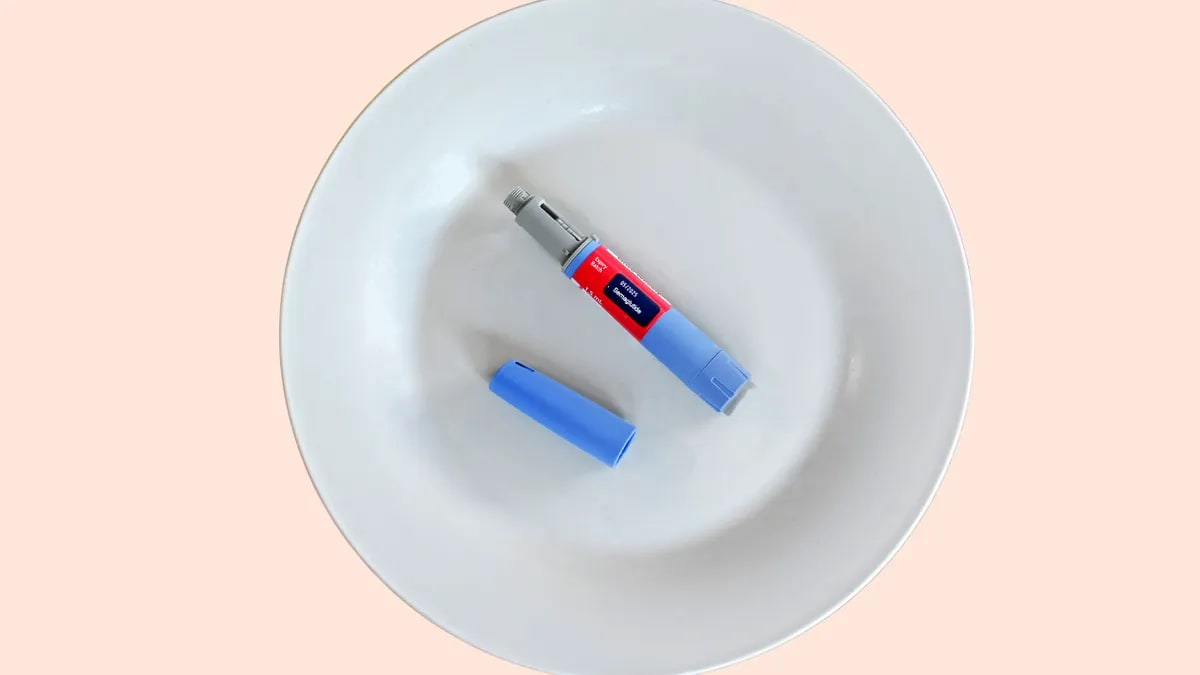
Eli Lilly announced Thursday that its experimental drug retatrutide succeeded in two major Phase 3 trials, bringing the company closer to seeking FDA approval in early 2027. The medicine works differently than current weight loss drugs by activating three hormone receptors instead of one or two.
The results have been impressive across multiple studies. In the Triumph-1 trial released in May, patients lost an average of 30% of their body weight after two years. That level of weight loss was previously only achievable through surgery.
Two new studies tested the drug in patients with additional health challenges. People with type 2 diabetes lost an average of 21% of their body weight after 80 weeks. Those with cardiovascular disease saw 23% weight loss at the highest doses.
These results met expectations, since patients with underlying conditions typically lose less weight than healthier individuals. The trials show the drug can still deliver meaningful results for people who need it most.
Lilly already sells Zepbound, currently the world's best-selling medicine for obesity treatment. Retatrutide would join a growing market that now includes oral alternatives and competitors from other pharmaceutical companies.
Why This Inspires
This breakthrough matters because obesity affects more than 40% of American adults and increases risks for heart disease, diabetes, and other serious conditions. For many people, diet and exercise alone haven't been enough to achieve significant weight loss.
The success of retatrutide shows medical science is finding new ways to help people reclaim their health. While the drug does come with side effects like nausea and diarrhea, it opens doors for patients who haven't found success with other treatments.
The fact that a pill can now match surgical results means more people may have access to life-changing treatment. Surgery is expensive, risky, and not available to everyone who needs it.
As Lilly prepares its FDA application, researchers continue studying how the drug affects heart health and long-term outcomes. The company is taking extra time to ensure all manufacturing and quality control data meets regulatory standards.
This represents real progress in treating a disease that has long been misunderstood and under-treated, offering new hope for healthier futures.
More Images


Based on reporting by Google: new treatment approved
This story was written by BrightWire based on verified news reports.
Spread the positivity!
Share this good news with someone who needs it