Lions and Elephants Return to Zimbabwe Wildlife Corridor
Camera traps in Zimbabwe's Matetsi Unit 5 are capturing lions, elephants, and leopards returning to a recovering landscape after years of restoration work. The footage marks a turning point for an area transitioning from hunting grounds to conservation paradise.
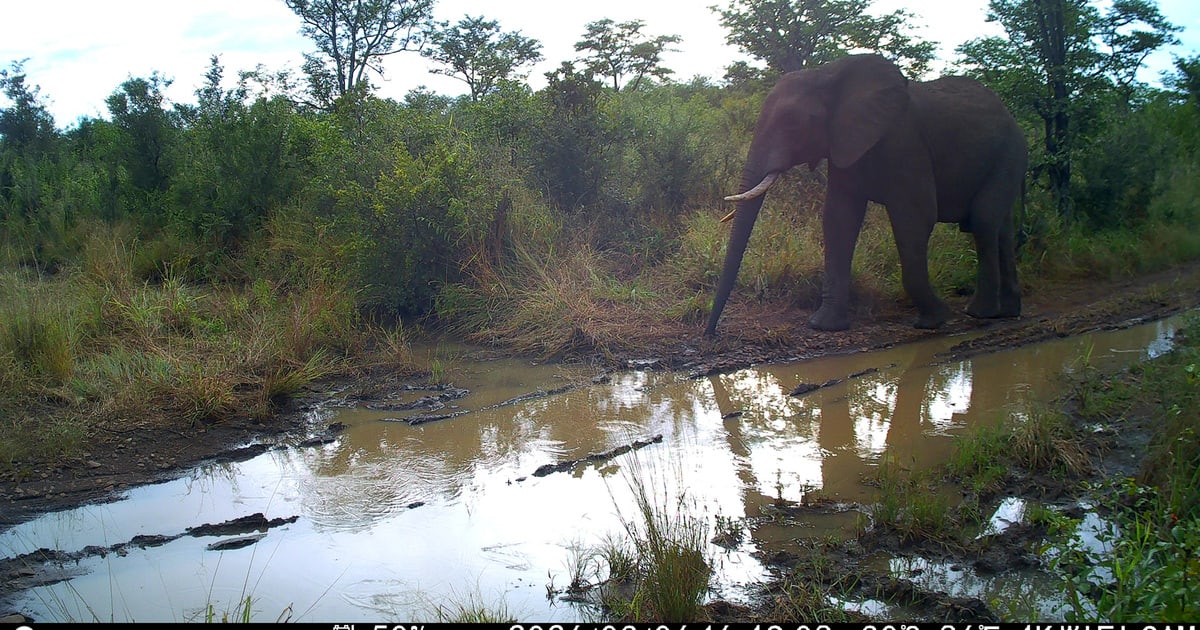
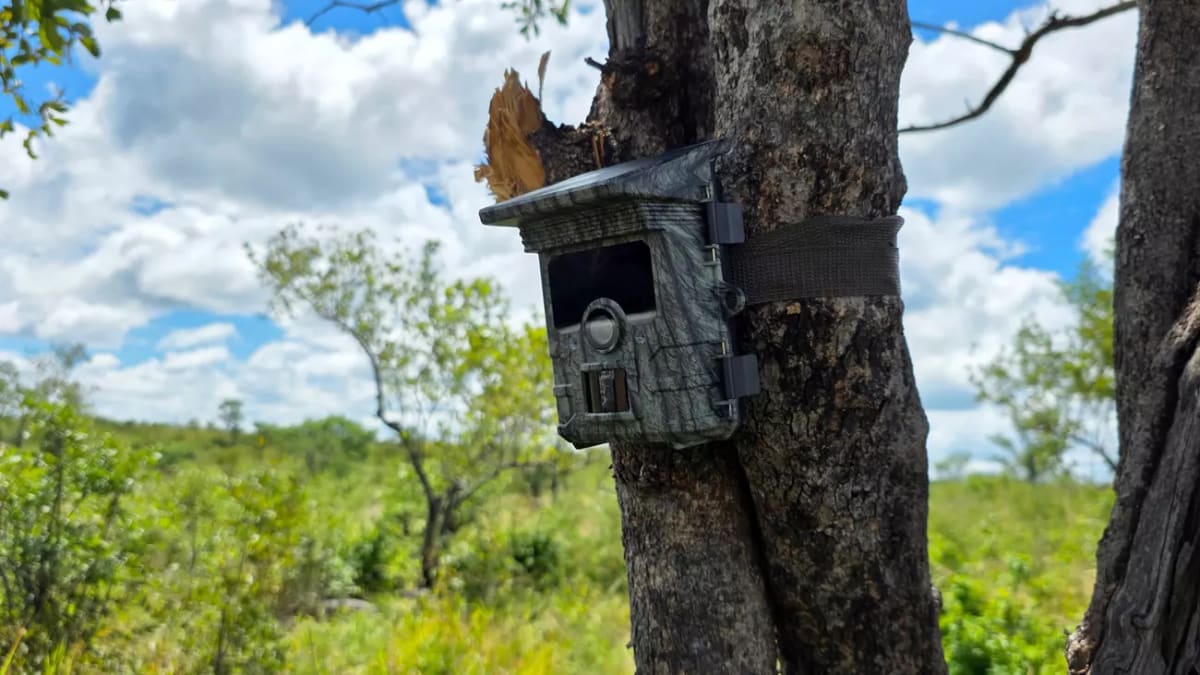
A camera strapped to a mopane tree in Zimbabwe just captured something remarkable: lions prowling at night, elephants moving through at dusk, and leopards reclaiming territory they once called home.
These aren't random sightings. They're proof that wildlife is returning to Matetsi Unit 5, a critical corridor north of Hwange National Park that's been quietly healing since 2019.
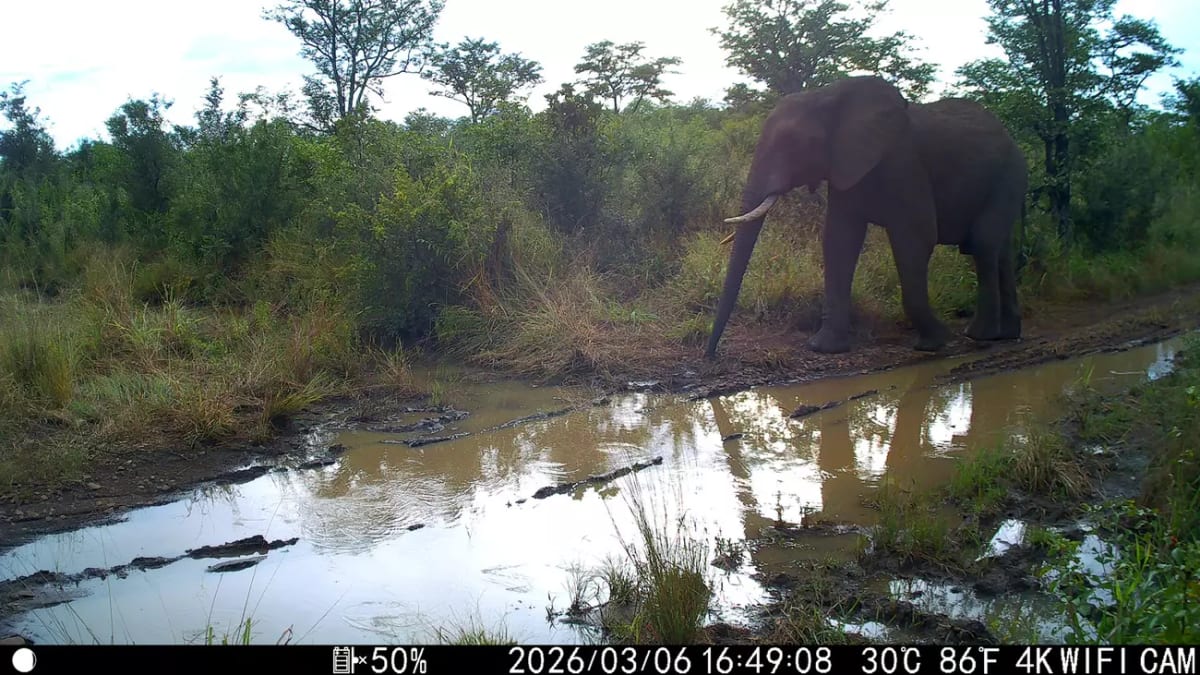
In February 2026, the International Fund for Animal Welfare partnered with ZimParks and Munchkin to deploy 11 camera traps across the landscape. The devices snap photos when movement and heat trigger their sensors, creating a digital diary of who's using the land and how.
"We place them where the signs of wildlife are unmistakable, along paths marked by spoor, near dung piles, and where fresh scats hint at recent movement," said Walter Mupezuweni, an IFAW Project Officer based at the site. Each image adds to a growing dataset that helps conservation teams understand animal behavior and movement patterns.
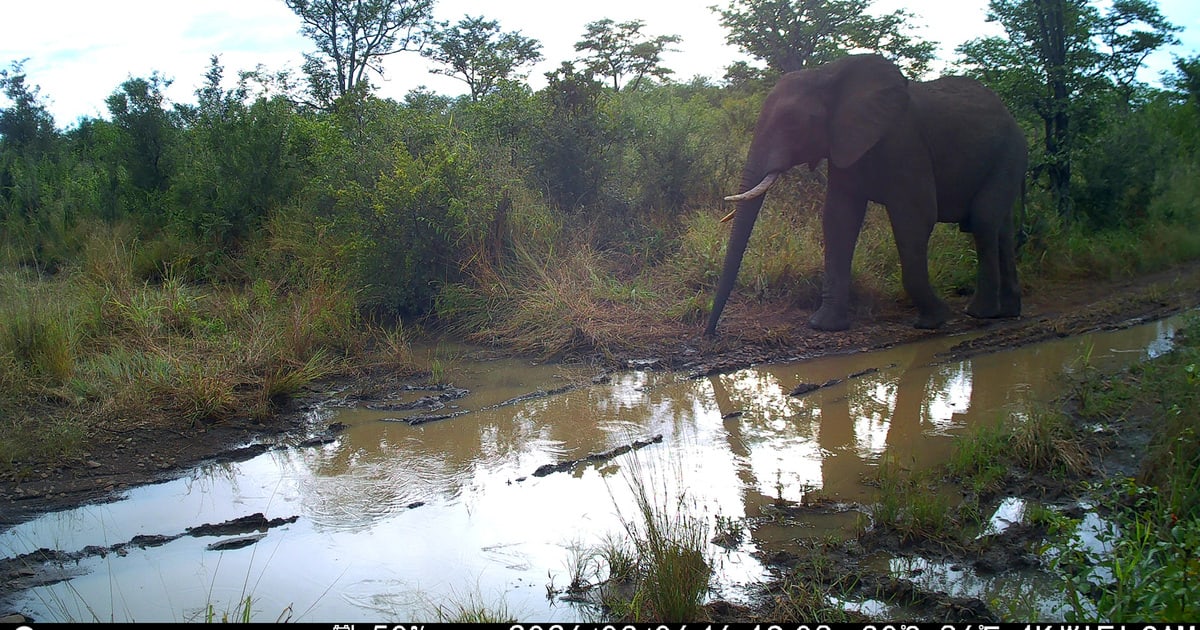
The early results have exceeded expectations. Within weeks of deployment, cameras confirmed the presence of elephants, buffalo, lions, and leopards, all key species that signal ecosystem health.
Matetsi Unit 5 sits between Hwange National Park and the Zambezi River, making it essential for elephants migrating between Zimbabwe and Botswana. For years, the area was primarily used for hunting, but it's now transitioning to photographic tourism that benefits both wildlife and local communities.
"Our work is driven by a deep belief in nature's ability to recover when given the chance," said Henry Ndaimani, IFAW's Landscape Conservation Manager. The team has been restoring fragile habitats and developing infrastructure that supports eco-tourism instead of extractive practices.
The Ripple Effect
The camera trap data isn't just good news for Zimbabwe. It's part of IFAW's Room to Roam initiative, which works to maintain connectivity for migratory species across Africa. When elephants can move freely between protected areas, entire ecosystems benefit.
The success at Matetsi shows what's possible when conservation focuses on connectivity rather than isolated parks. Predators like lions and leopards need large territories to thrive, and their return signals that the landscape can support complete food webs again.
This science-driven approach, using camera traps alongside tools like EarthRanger, is helping conservation teams make informed decisions about where to focus protection efforts. The more data they collect, the better they can safeguard these recovering populations.
With continued support, Matetsi Unit 5 can once again sustain thriving wildlife populations for generations to come.
More Images
Based on reporting by Google News - Wildlife Recovery
This story was written by BrightWire based on verified news reports.
Spread the positivity!
Share this good news with someone who needs it