Lithuania Scientists Solve Solar Panel Durability Problem
Researchers cracked a major barrier keeping next-generation solar panels from lasting longer. The breakthrough could bring solar power to windows, building walls, and even clothing.
Scientists in Lithuania just solved one of the biggest problems holding back cheaper, lighter solar panels that could transform how we power our homes.
Dr. Kasparas Rakštys and his team at Kaunas University of Technology found a way to make perovskite solar cells much more durable. These next-generation panels are already thinner, more flexible, and more efficient than traditional silicon panels, but they've had a fatal flaw: they break down too quickly.
The problem lived in a tiny layer inside the cell that was slowly corroding the materials around it. Rakštys compared the solar cell to a multi-layered sandwich where each layer does a specific job.
His team changed the chemistry of that troublesome layer by converting its acidic molecules into ionic salts. The result was a less corrosive connection that helped the cells stay efficient and stable far longer, even when exposed to heat and moisture.
The results speak for themselves. In laboratory tests using tandem perovskite solar cells, which capture different parts of sunlight, the team achieved power conversion efficiency above 29 percent.
The Ripple Effect
This advance matters beyond just better solar panels. Because perovskite cells can be ultra-thin and flexible, they could soon be installed on building facades, windows, and potentially even woven into textiles.
Imagine office buildings generating electricity through their windows, or jackets that charge your phone while you walk. These applications have been impossible with heavy, rigid silicon panels.
The timing couldn't be better. Global electricity demand is surging, partly driven by artificial intelligence and data centers. Solar technology that's cheaper to produce, easier to install, and works in more places could help meet that demand without increasing pollution.
Lower costs mean more households can afford to switch to solar and cut their energy bills. More installation options mean apartment dwellers and renters could access solar power, not just homeowners with roofs.
The space industry is also paying attention. Rakštys noted that perovskites are attracting growing interest from the space sector because they're lightweight and offer strong radiation resistance compared to silicon.
The team has already filed for patent protection and started the commercialization process. They're continuing to refine their neutralized self-assembled monolayers while exploring new molecules that could make the cells even more stable.
For communities worldwide, this breakthrough opens the door to cleaner air, lower energy costs, and electricity generated right where it's needed instead of traveling miles through power lines.
More Images

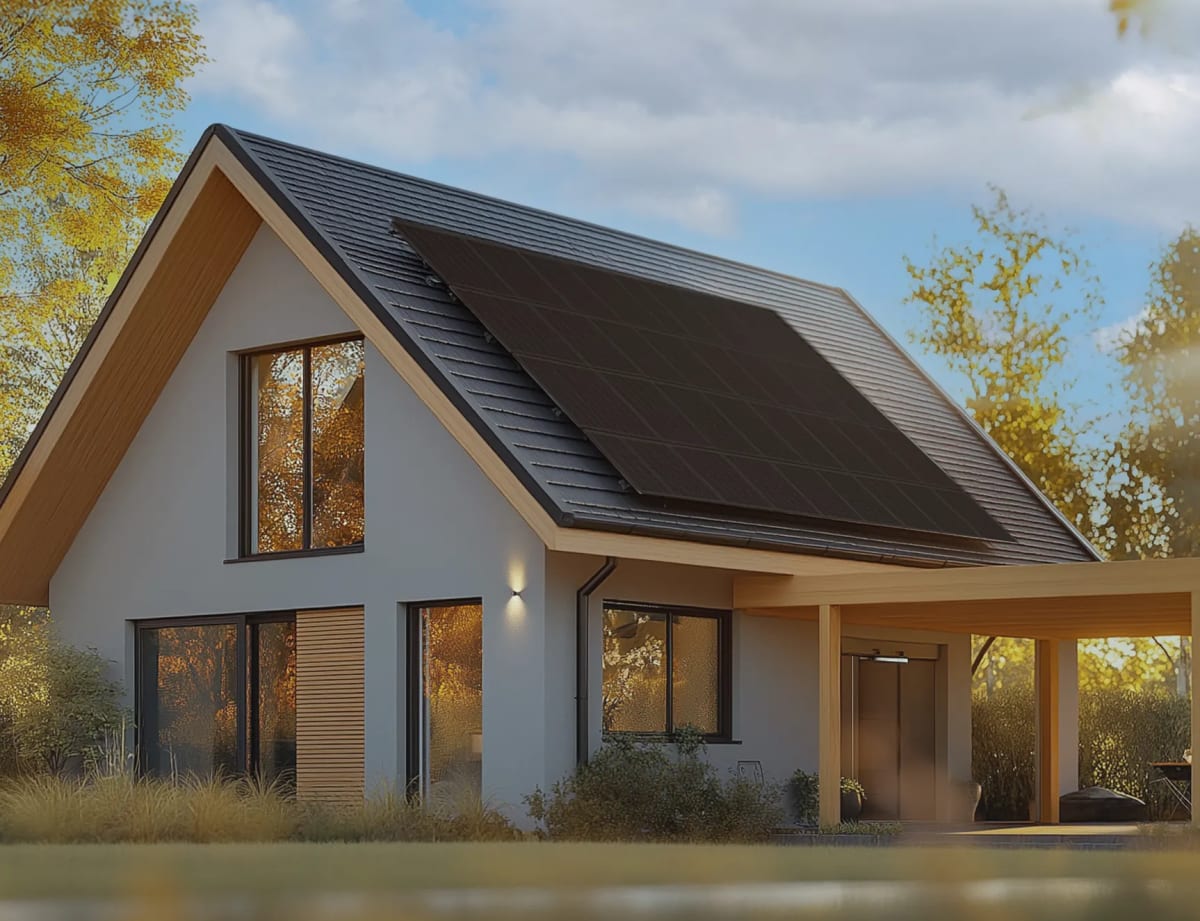
Based on reporting by Google: solar power breakthrough
This story was written by BrightWire based on verified news reports.
Spread the positivity!
Share this good news with someone who needs it