Hungary's Solar Boom Saves Grid as Nuclear Plant Drops 80%
When drought slashed Hungary's main nuclear plant to just 20% capacity, the country's booming solar network stepped up to keep the lights on. It's a real-world win showing clean energy can rescue grids when traditional power fails.
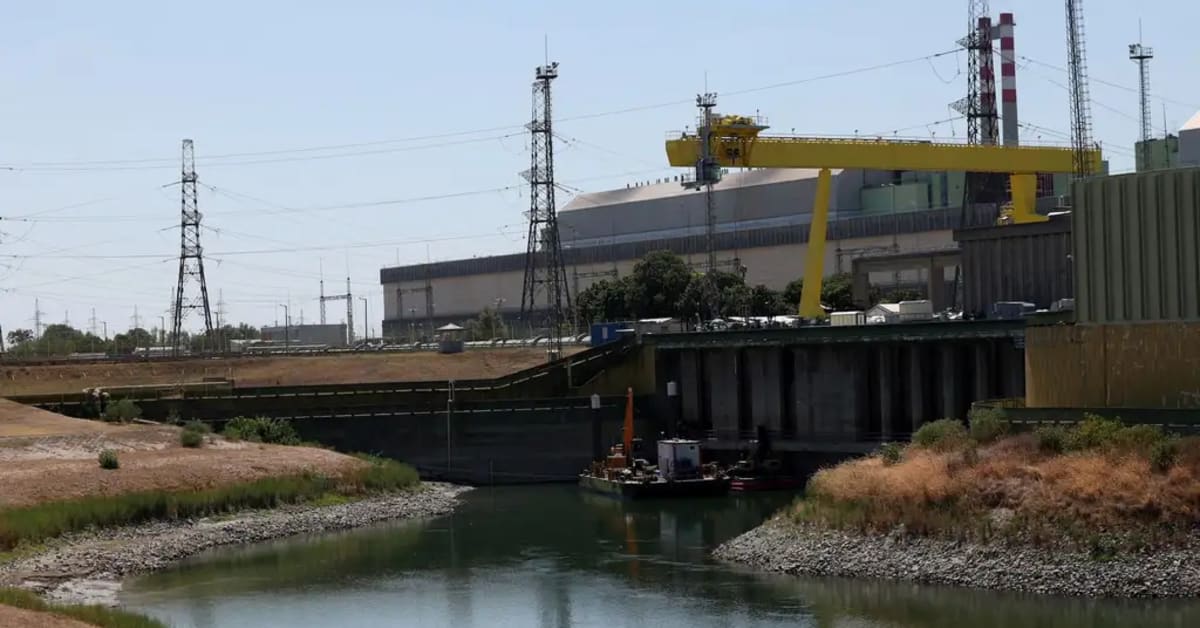
When the Danube River dropped to historic lows in August 2026, Hungary's Paks nuclear plant faced a crisis that could have left millions without reliable power.
Instead, something remarkable happened. The country's rapidly expanding solar farms delivered exactly what the grid needed, producing record amounts of electricity just when half the nation's usual power source went offline.
Paks normally generates nearly half of Hungary's electricity, running steadily day and night. But as the Danube fell below 30 centimeters in some sections, the plant lost the cooling water it needs to operate safely.
By August, the nuclear facility was running at just 18% of its normal output. Under typical circumstances, that would mean widespread blackouts or scrambling to import expensive electricity from neighboring countries.
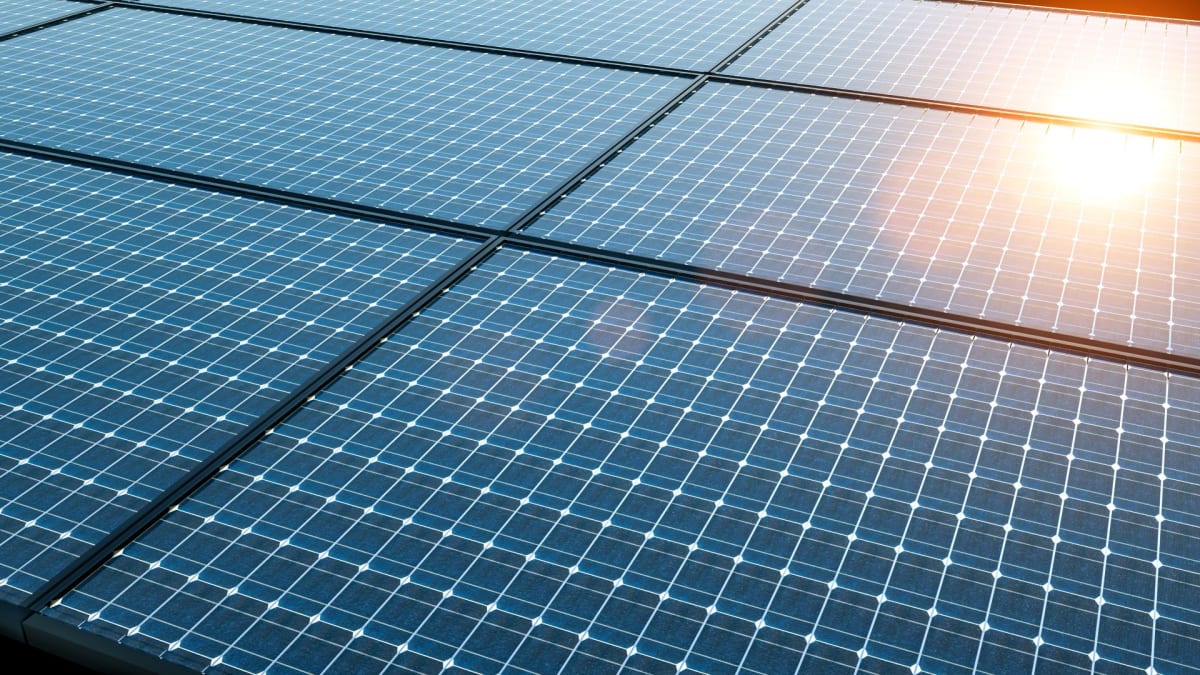
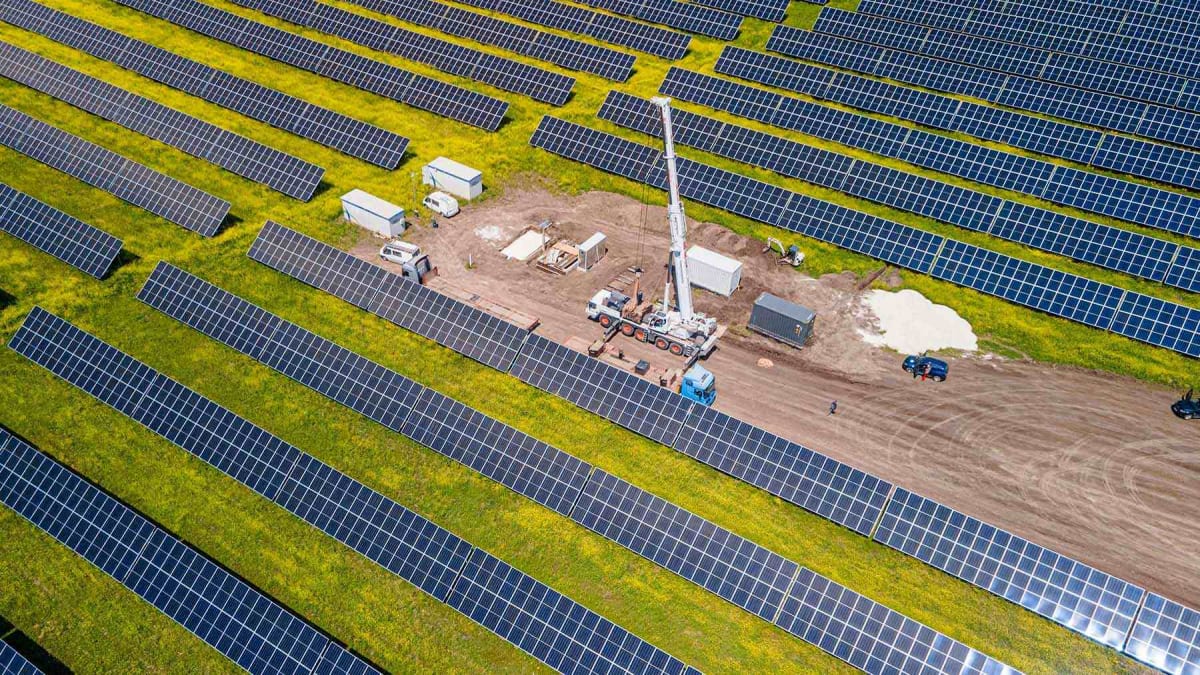
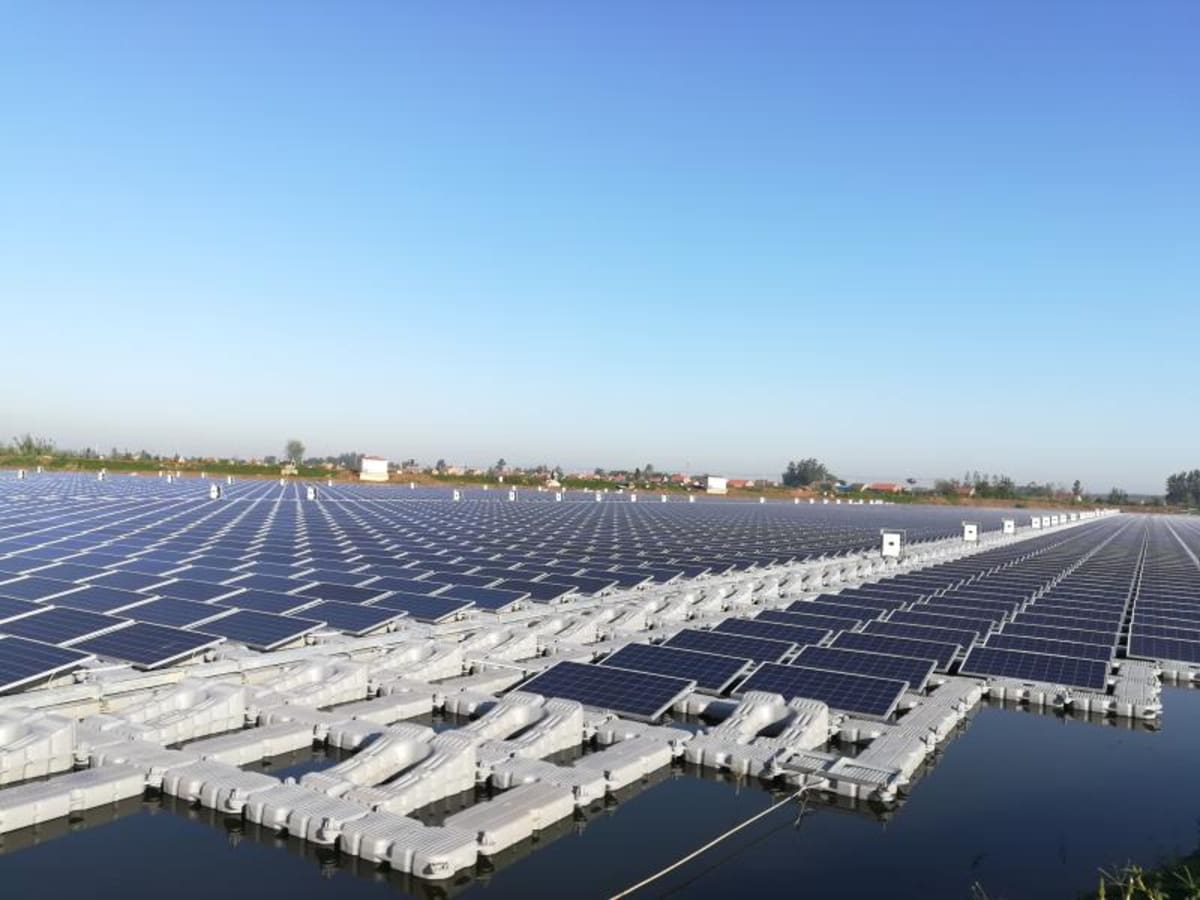
Solar farms across Hungary had other plans. Generation jumped nearly 20% compared to the previous August, with panels producing an average of 1,418 megawatt hours per hour throughout the month.
At peak times, solar supplied more than 55% of the country's total electricity. That's a national record and a complete reversal from nuclear power's usual 50% share, which had crashed to less than 10%.
The result? Hungary's total electricity generation dropped by less than 3% despite losing most of its largest power plant. The solar surge prevented shortages, reduced the need for coal and gas backups, and kept import costs down.
The Ripple Effect
Hungary isn't alone in facing climate-related power challenges. France and Bulgaria saw similar nuclear slowdowns this summer as rivers warmed and water levels fell across Europe.
What makes Hungary's story different is the timing. The country had been rapidly building solar capacity and energy storage systems, investments that seemed routine until they became critical infrastructure.
Now other nations are watching closely. As droughts and heat waves become more frequent, the Hungarian example shows that renewable energy isn't just about reducing emissions anymore.
Solar and wind can serve as insurance policies for entire power grids. When rivers run low or heat waves strain cooling systems, distributed renewable networks keep functioning because they don't depend on water.
Engineers managed to partially restore Paks operations through emergency work to raise local water levels. Two of the plant's turbines were back online by late August, and solar continued filling the gaps.
The crisis revealed something power planners are still processing: clean energy can be more reliable than traditional baseload power when climate conditions turn extreme.
More Images

Based on reporting by Google News - Solar Power Record
This story was written by BrightWire based on verified news reports.
Spread the positivity!
Share this good news with someone who needs it