
London Gets First Self-Driving Uber With Safety Drivers
Uber just launched the UK's first robotaxis in London, marking a milestone in autonomous vehicle technology. While safety drivers stay behind the wheel for now, over 100,000 Londoners said they'd ride in one.
London just made history as the first UK city where you can hail a self-driving Uber, bringing the future of transportation a step closer to everyday reality.
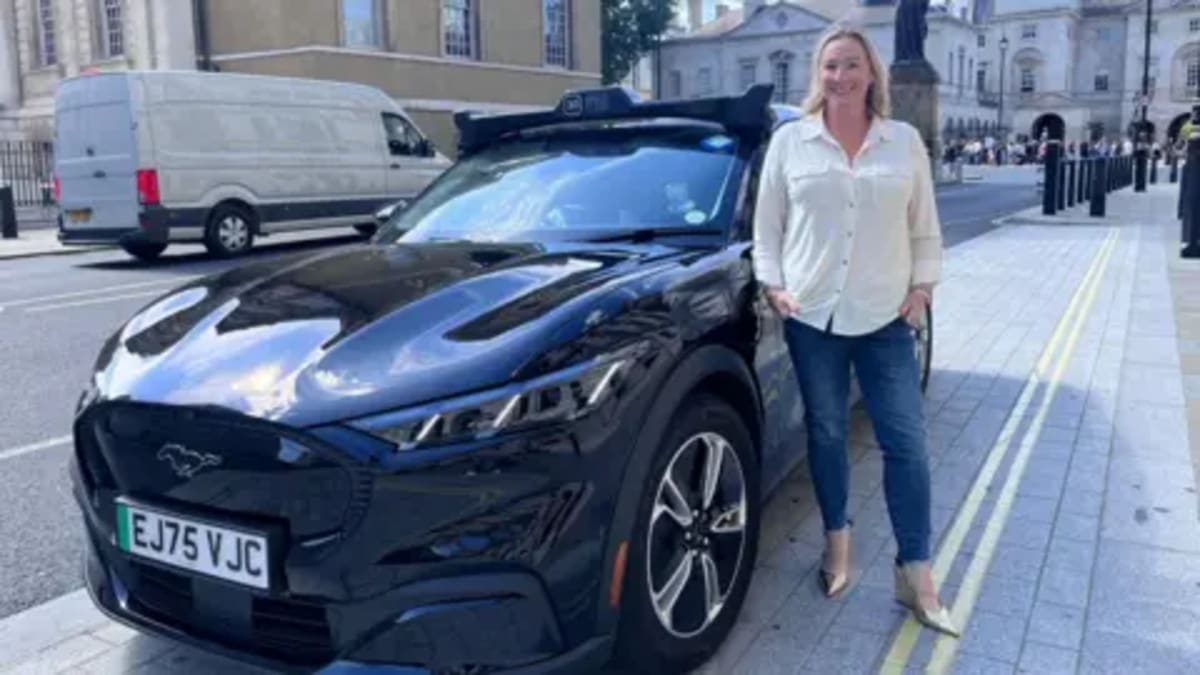
Uber launched 15 autonomous vehicles on London's streets this week, each equipped with AI technology from UK firm Wayve. Every robotaxi comes with a human safety driver ready to take control if needed, ensuring passenger safety during this groundbreaking phase.
The company surveyed users through its app and discovered more than 100,000 Londoners are eager to try a self-driving ride. The robotaxis cost the same as regular Uber rides, making the futuristic experience accessible to everyone.
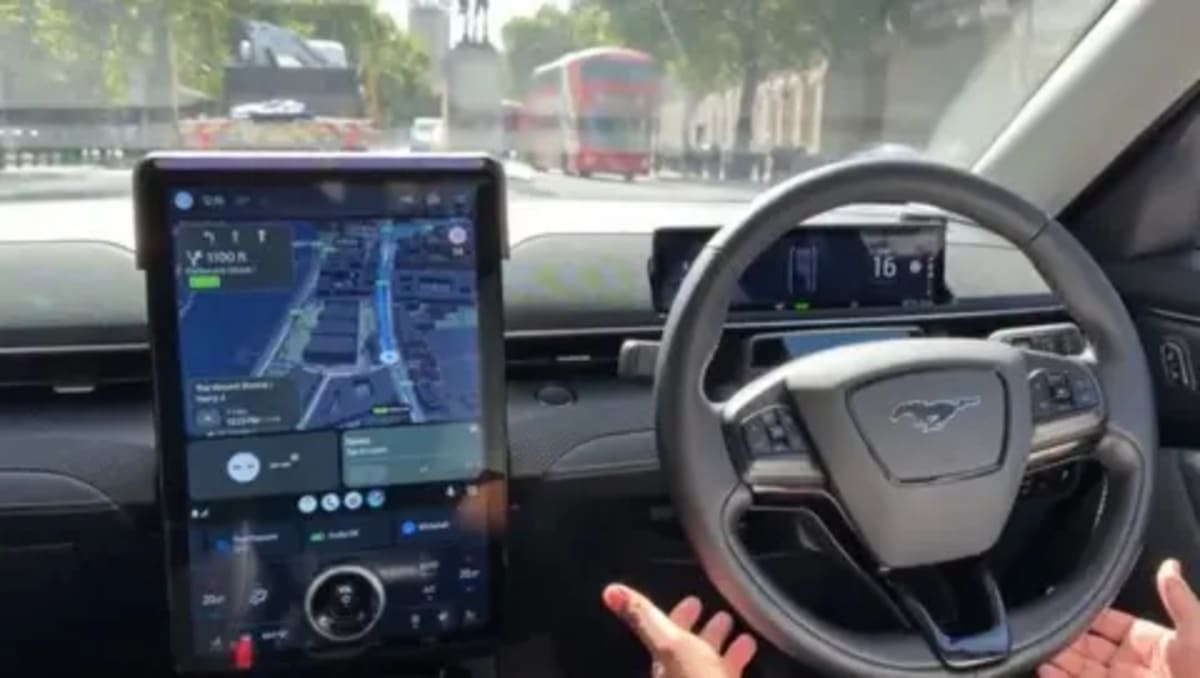
BBC technology editor Zoe Kleinman became the first British journalist to ride in one, cruising through central London's busy streets. The car successfully navigated traffic lights, roadworks, and even responded when a cyclist waved it forward at a roundabout.
The safety driver did intervene once when a van's doors appeared to swing open on a narrow side road. The car braked sharply and the driver took over, though Wayve later said their AI likely would have handled it safely.
The vehicles use real-time AI analysis rather than pre-programmed routes. Sensors mounted on the roof and throughout the car gather data about surroundings, letting the AI make split-second decisions based on what's actually happening.
The Ripple Effect
This launch puts London at the forefront of autonomous vehicle adoption in Europe. Google's Waymo and Chinese tech giant Baidu are also working to bring services to the UK, creating healthy competition that could accelerate innovation.
Wayve CEO Alex Kendall calls developing this technology "the space race for our generation." The UK's careful regulatory approach means fully driverless cars probably won't arrive until 2027, but authorities are prioritizing safety over speed.
Transport for London director Christina Calderator emphasized they're "taking time to get it right." The Department for Transport is working on a framework ensuring rigorous safety testing and local community consent before expanding services.
Uber plans to phase in more robotaxis over several years while keeping human drivers available. The company expects human drivers to remain part of London's Uber fleet indefinitely as the market grows.
This careful rollout shows how cutting-edge technology can arrive thoughtfully, balancing innovation with the safety and jobs that communities care about.
More Images


Based on reporting by BBC Technology
This story was written by BrightWire based on verified news reports.
Spread the positivity!
Share this good news with someone who needs it