London Kids' Lungs Grow Bigger After Clean Air Crackdown
Children in London now have stronger, healthier lungs since the city restricted polluting vehicles from its streets. The success offers a blueprint for cities worldwide struggling to tackle air pollution that kills 7 million people annually.
Ten years ago, Alastair Harper got a call that changed his life. His daughter was being rushed to a London hospital in an ambulance, struggling to breathe the city's toxic air.
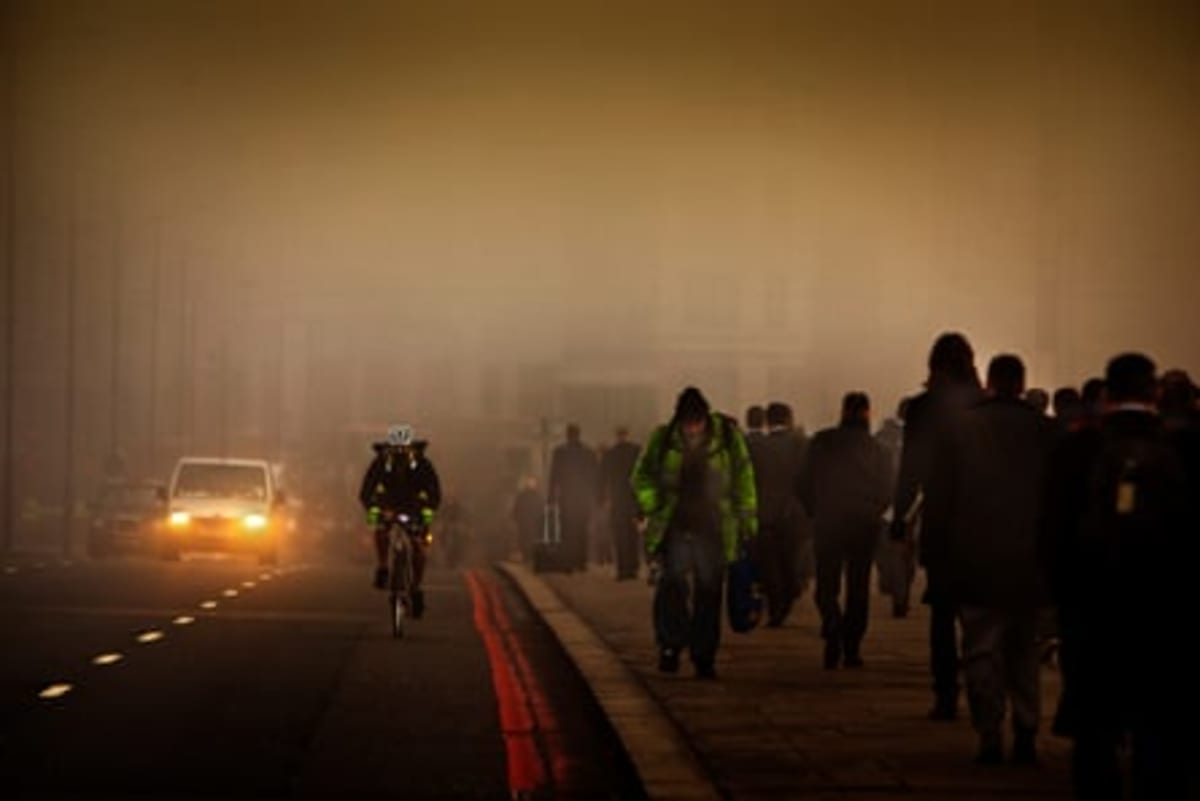
He wasn't alone. Between 6,000 and 8,000 people died prematurely each year in London during the late 2010s because of air pollution. In 2013, a young girl named Ella Adoo-Kissi-Debrah became the first person in the UK to have air pollution listed as an official cause of death.
But this week brought remarkable news. A study from Queen Mary University London showed that children's lungs have grown bigger and stronger since London started restricting its most polluting vehicles.
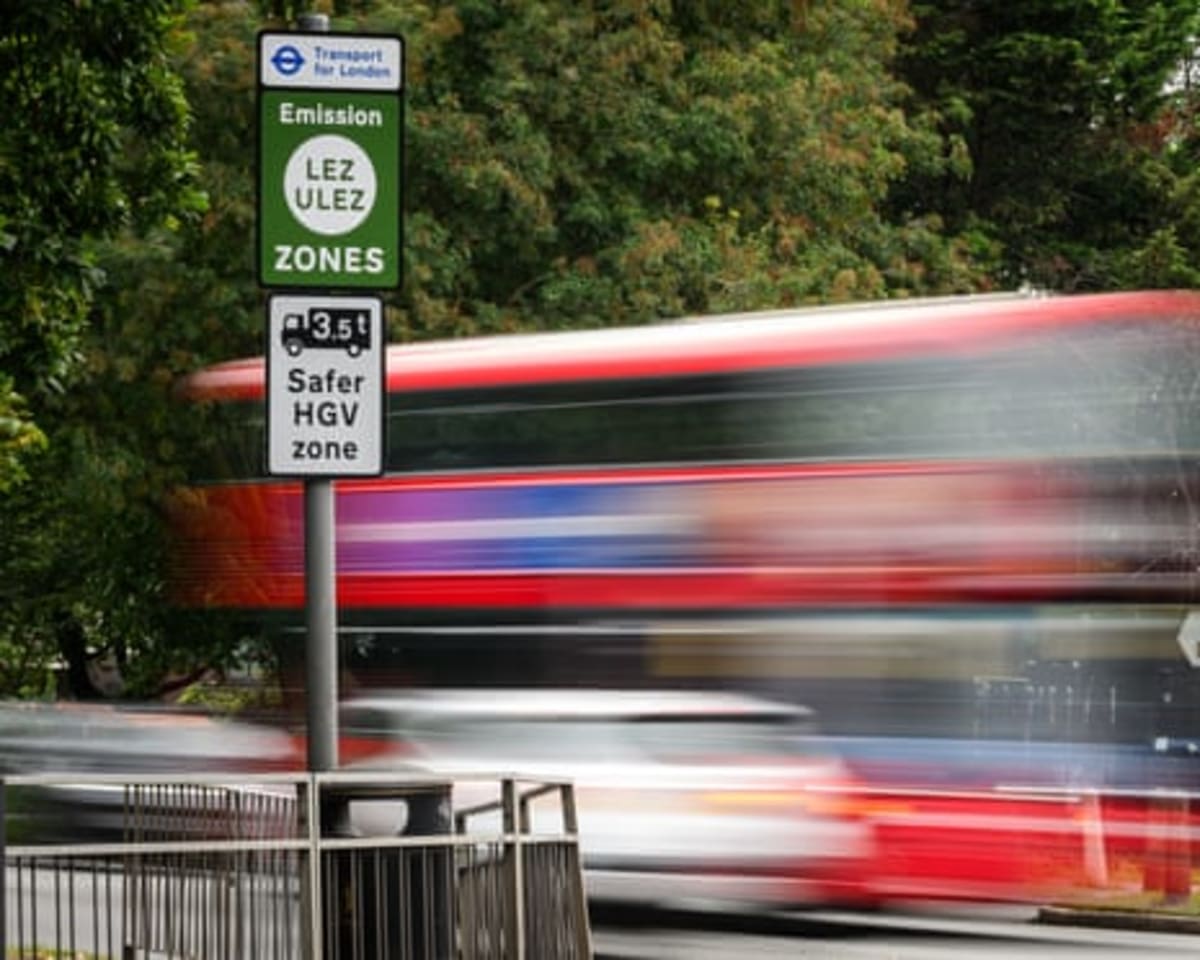
The change came from London's ultra-low emission zone, or Ulez, introduced in 2019 and expanded in 2021 and 2023. The zone charges polluting vehicles £12.50 a day to enter certain areas. The result? Drastically lower levels of nitrogen dioxide, a harmful pollutant that damages developing lungs.
Harper, who later became an environmental adviser to London's mayor, now sees a transformed city. "To know now that same air is so much safer for the kids that breathe it because of the political choice of one man makes me feel proud of this city," he said.
The science backs him up. "There is an absolute wealth of evidence that air pollution is a major cause of ill health and premature death across the planet," said Nick Hopkinson, a professor of respiratory medicine at Imperial College London.
Air pollution doesn't just hurt lungs. It causes heart disease, stroke, some cancers, dementia, and cognitive difficulties in children. The World Health Organization estimates it kills 7 million people globally each year.
The Ripple Effect
Cities around the world are taking notice. Paris and Barcelona have embraced cycling infrastructure in recent years, following the example set by Denmark and the Netherlands decades ago.
Bogotá, Colombia won last year's global Earthshot prize for its Zuma clean air zones. The city expanded bike lanes and footpaths, paved roads to reduce dust, and planted thousands of trees. Now it's launching a second zone with even bigger plans.
Nairobi, Kenya passed an air quality act in 2022 requiring harmful emissions to be cut in half by 2035. The city installed 50 monitoring stations and banned imports of vehicles older than eight years.
The technology to fix air pollution already exists, from renewable energy replacing coal to public transport reducing traffic. Trees help everywhere. The real barrier isn't technical but political.
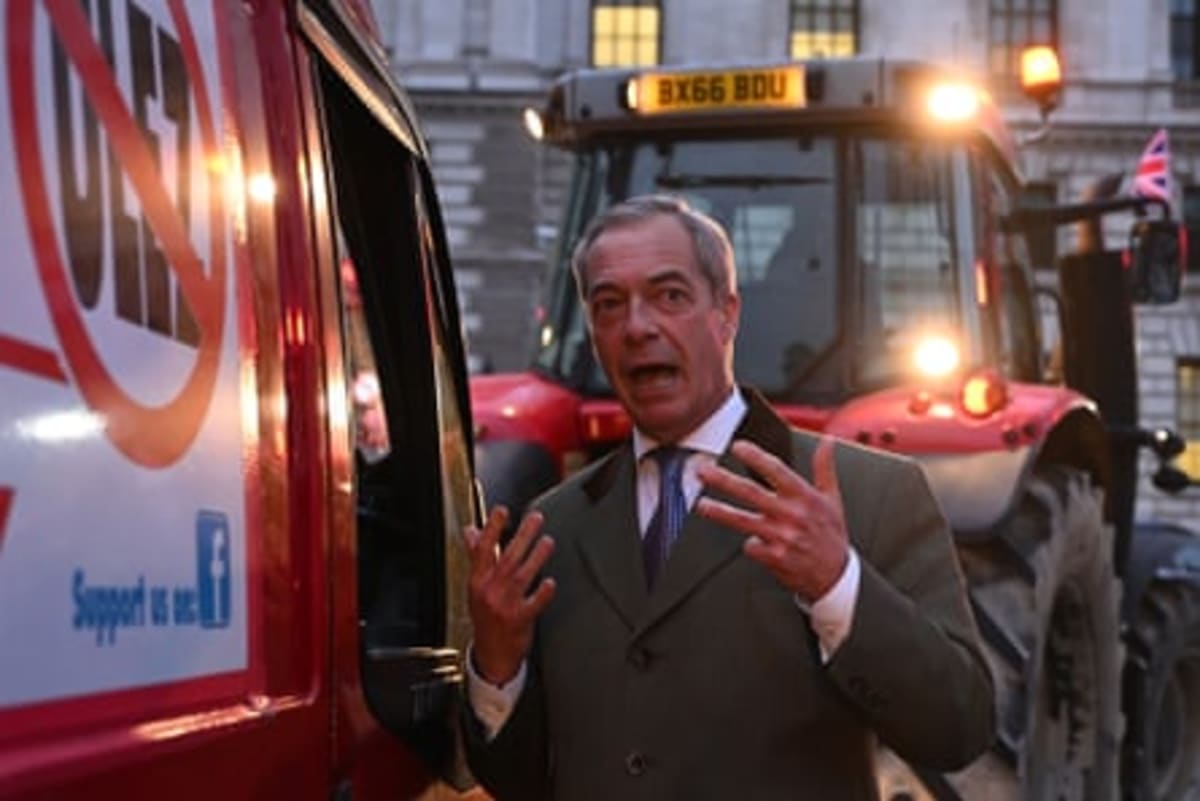
London faced fierce opposition to its clean air zone, with protests and culture war rhetoric. Yet the results speak for themselves in the lungs of London's children.
Hundreds of cities worldwide now have clean air zones of varying sizes. Each one represents children breathing easier, parents worrying less, and communities choosing health over pollution.
Harper's daughter recovered, and now millions of other children won't have to struggle the way she did.
More Images

Based on reporting by Guardian Environment
This story was written by BrightWire based on verified news reports.
Spread the positivity!
Share this good news with someone who needs it