London's 14-Mile Wildlife Corridor Connects Four Boroughs
East London is building a 14-mile "nature corridor" to reconnect isolated wildlife across some of the city's most nature-deprived neighborhoods. The project will link community gardens, rooftops, canals, and even sports fields to help pollinators and urban wildlife thrive.
A groundbreaking wildlife corridor is bringing nature back to East London's concrete landscape, connecting four boroughs through 14 miles of green spaces designed to help urban ecosystems flourish.
The Wild Cities project will stretch from Lee Valley Regional Park south to the Thames, weaving through Tower Hamlets, Hackney, Haringey, and Newham. These areas have long struggled with limited access to nature, but this network aims to change that by creating pathways for pollinators and wildlife to move freely through the city.
The project brings together an unlikely coalition of partners working toward a common goal. Ecologists, community gardeners, transport authorities, cultural institutions, football clubs, and local residents are all joining forces to build interconnected pockets of urban wilderness.
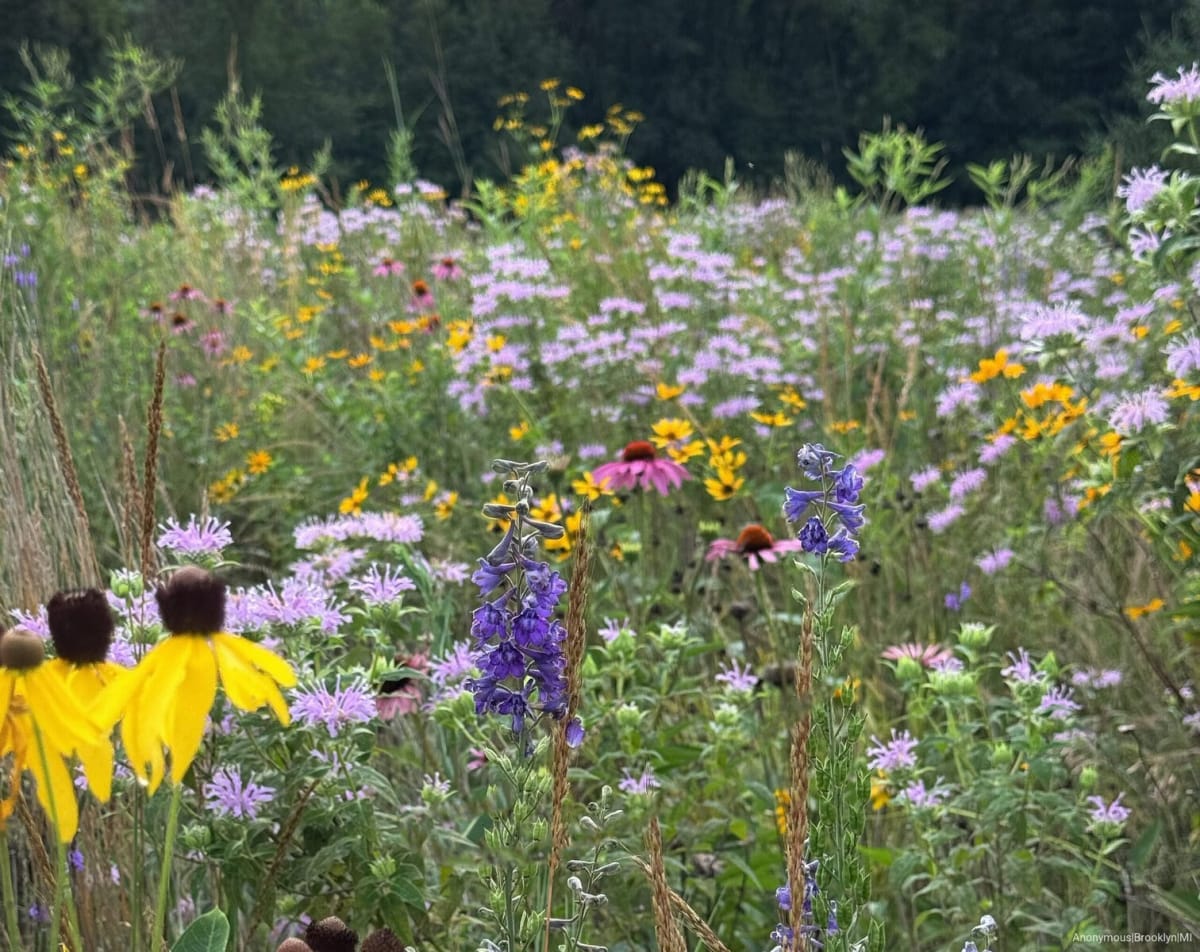
What makes this approach unique is its use of existing spaces. Community gardens, rooftops, canal banks, sports fields, and even backyard streets will become stepping stones in a larger ecosystem, creating habitat patches no more than 300 meters apart.
"We started Wild Cities because urban nature must be restored for people, for wildlife, and for the future," said Wanessa Rudmer, executive director of Initiative Earth, the charity organizing the effort. The coalition model allows them to work at the scale needed to make real change.
The Ripple Effect
The benefits extend far beyond helping bees and butterflies find their way around London. Research shows that green infrastructure like this can cool city streets by up to 7 degrees Celsius, a significant relief for a city that runs 1 to 1.5 degrees hotter than the surrounding countryside.
These nature networks also support local food systems and help restore biodiversity to neighborhoods that desperately need it. The project aligns with the Mayor of London's recently published nature recovery strategy, which identified green corridors and pollinator support as top priorities for the capital.
Paul Hetherington from Buglife, whose "stepping stone" connectivity model inspired the corridor design, noted that the project puts scientific evidence into practice in one of Britain's most nature-deprived areas. The model has proven that strategically placed habitat patches can restore ecosystems across entire landscapes.
For the communities along this 14-mile stretch, the corridor means more than just wildlife. It represents cooler streets during heat waves, more green spaces for families, and a tangible connection to the natural world in one of Europe's busiest cities.
London is proving that even dense urban areas can make room for nature when communities come together with a shared vision.
More Images

Based on reporting by BBC Science
This story was written by BrightWire based on verified news reports.
Spread the positivity!
Share this good news with someone who needs it