Lord Howe Island: 60% More Insects After Rat Removal
A remote Australian island is teeming with life again after removing 300,000 invasive rodents in 2019. Native cockroaches, beetles, and other invertebrates have surged 60%, restoring the ecosystem from the ground up.
When cockroach populations boom, scientists usually worry. But on Lord Howe Island, a World Heritage paradise 600 kilometers off Australia's coast, researchers are celebrating.
Seven years after removing more than 300,000 invasive rats and mice, the island's native invertebrate life has exploded by 60%. Tiny creatures that break down organic matter and feed the island's birds and geckos are thriving again after more than a century of being eaten by rodents.
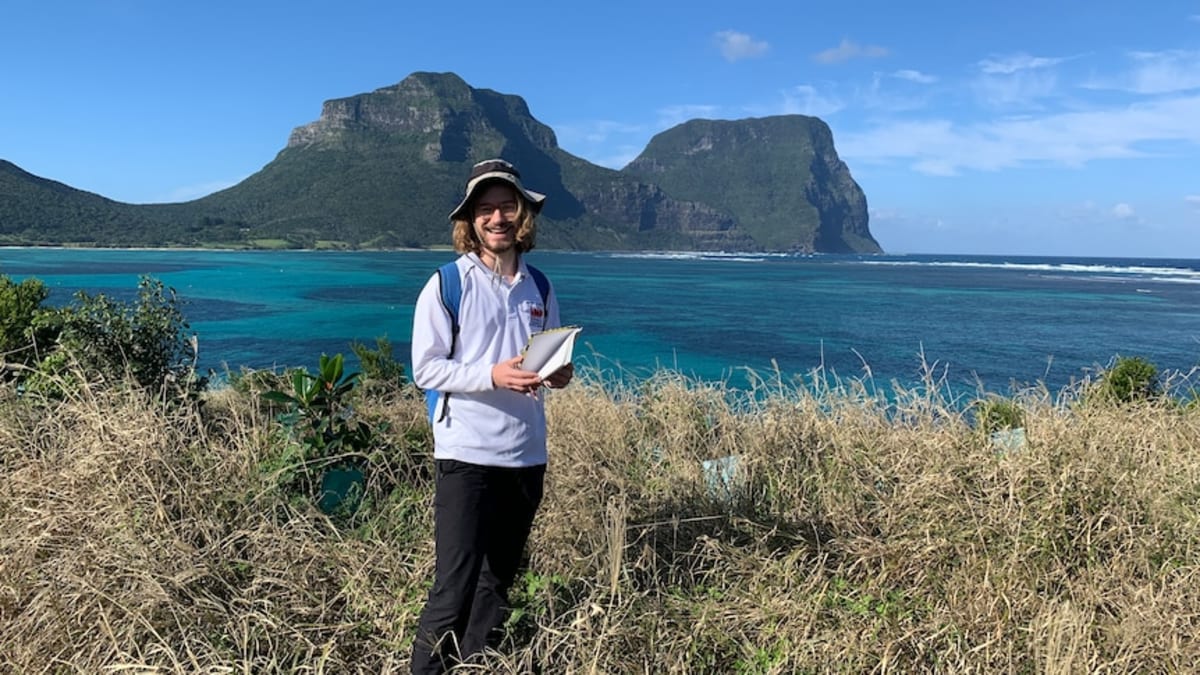
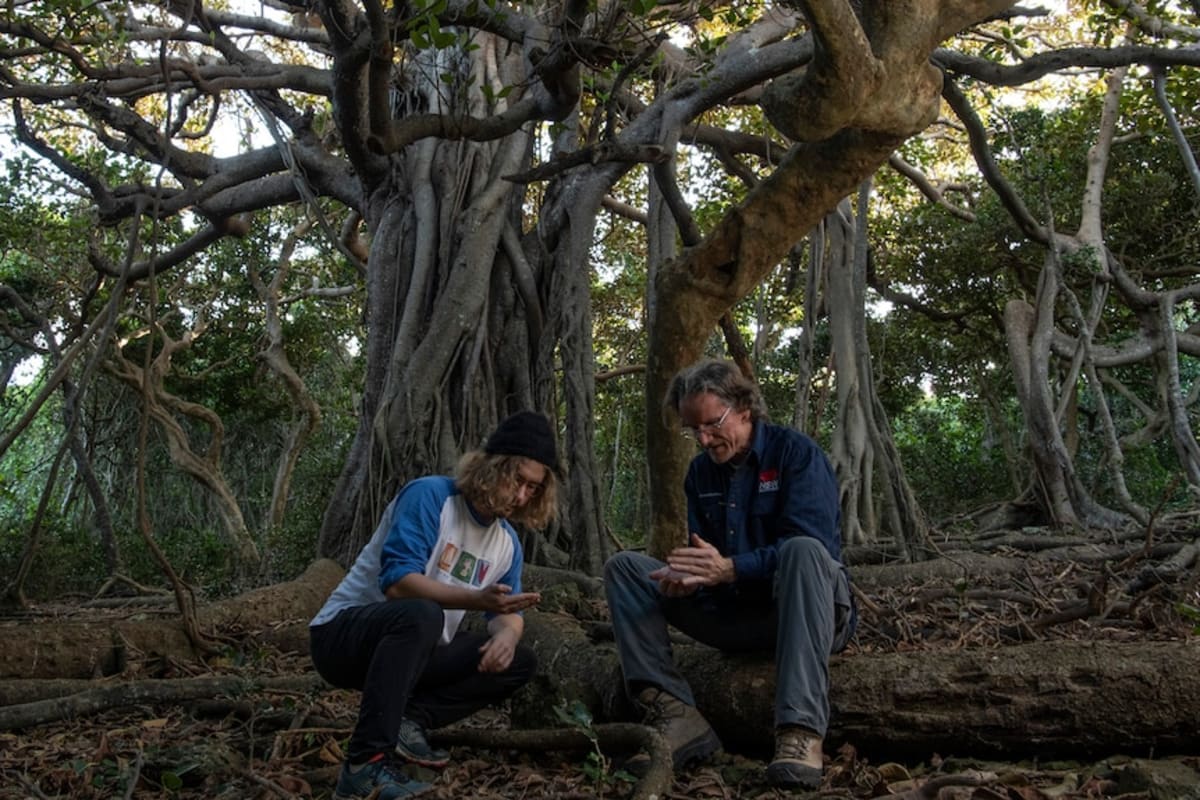
"It feels like the island is coming to life," said Maxim Adams, a Sydney University student who co-led the study published in Biological Invasions. "Walking around on Lord Howe Island now, it feels more like a paradise of creatures."
Adams and his team from NSW's Department of Climate Change collected specimens from 20 forest sites across the island, comparing samples from before the 2019 eradication to recent collections. The first survey found 9,000 specimens. The second turned up 15,000.
The biggest winners were large invertebrates over 13 millimeters long. Native bush cockroaches, woodlice, and slaters showed the strongest rebounds. One cockroach species believed extinct was rediscovered in 2023, offering hope that other lost species might resurface.
These humble bugs do the island's heavy lifting. They recycle nutrients, fertilize plants, and feed native predators like geckos and insect-eating birds. Without them, the lush forests that make Lord Howe special couldn't exist.
The Ripple Effect
The invertebrate boom follows earlier wins for the island's wildlife. Seabirds have returned in greater numbers, and the Lord Howe Island woodhen has staged a dramatic recovery after nearly going extinct.
Now geckos are appearing in numbers never seen before. Professor Nathan Lo, who leads the research lab at Sydney University, recently walked through the island's northern forests at night. "There were endemic geckos all over the place," he said. "These were only rarely seen prior to the eradication."
The team is now studying how these higher-order predators are adapting to the buffet of insects available to them. They're also sequencing DNA from all the invertebrate samples to create a complete picture of which species have returned over the past decade.
Adams acknowledges the ecosystem won't return to its pre-rodent state. Some invertebrates went extinct before they could be saved. But the island is finding a new balance, one that supports the complex web of life that makes it extraordinary.
Lord Howe Island is proving that removing invasive species works, and the benefits cascade through every level of nature.
More Images


Based on reporting by ABC Australia
This story was written by BrightWire based on verified news reports.
Spread the positivity!
Share this good news with someone who needs it