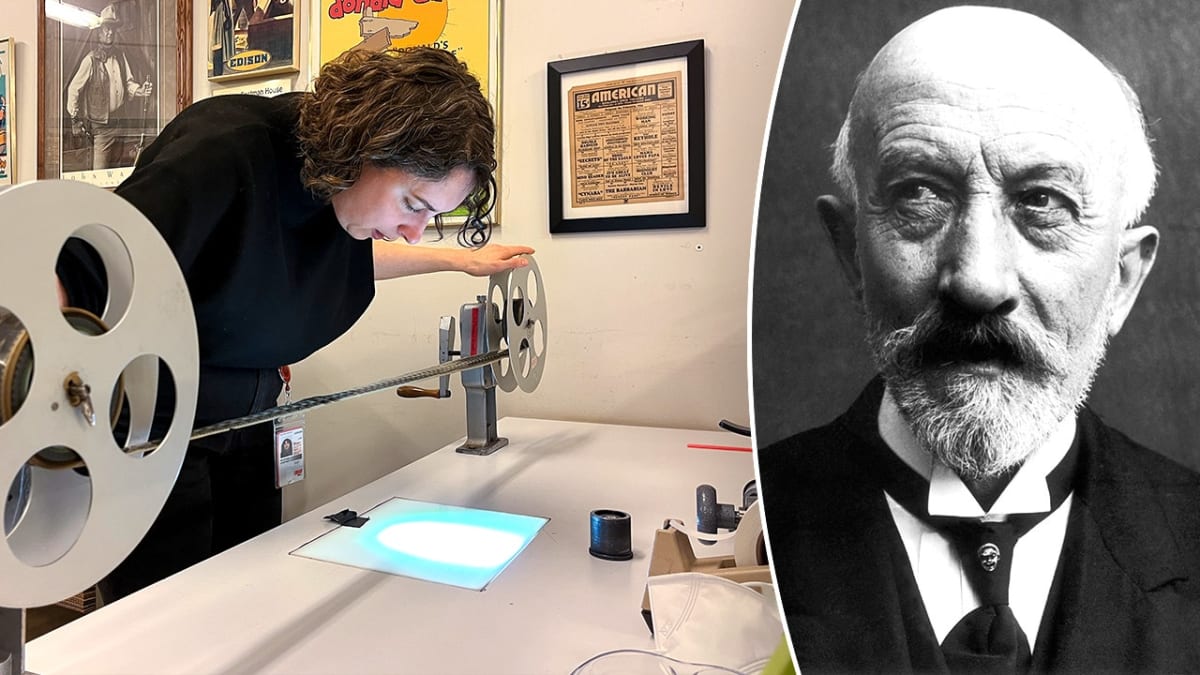
Lost 1897 Méliès Film Found in Pennsylvania Attic After 127 Years
A retired Michigan teacher discovered a lost 1897 film by cinema pioneer Georges Méliès in a family trunk that sat in attics and barns for a century. The 45-second silent movie was part of his potato-farming great-grandfather's traveling film show in rural Pennsylvania.
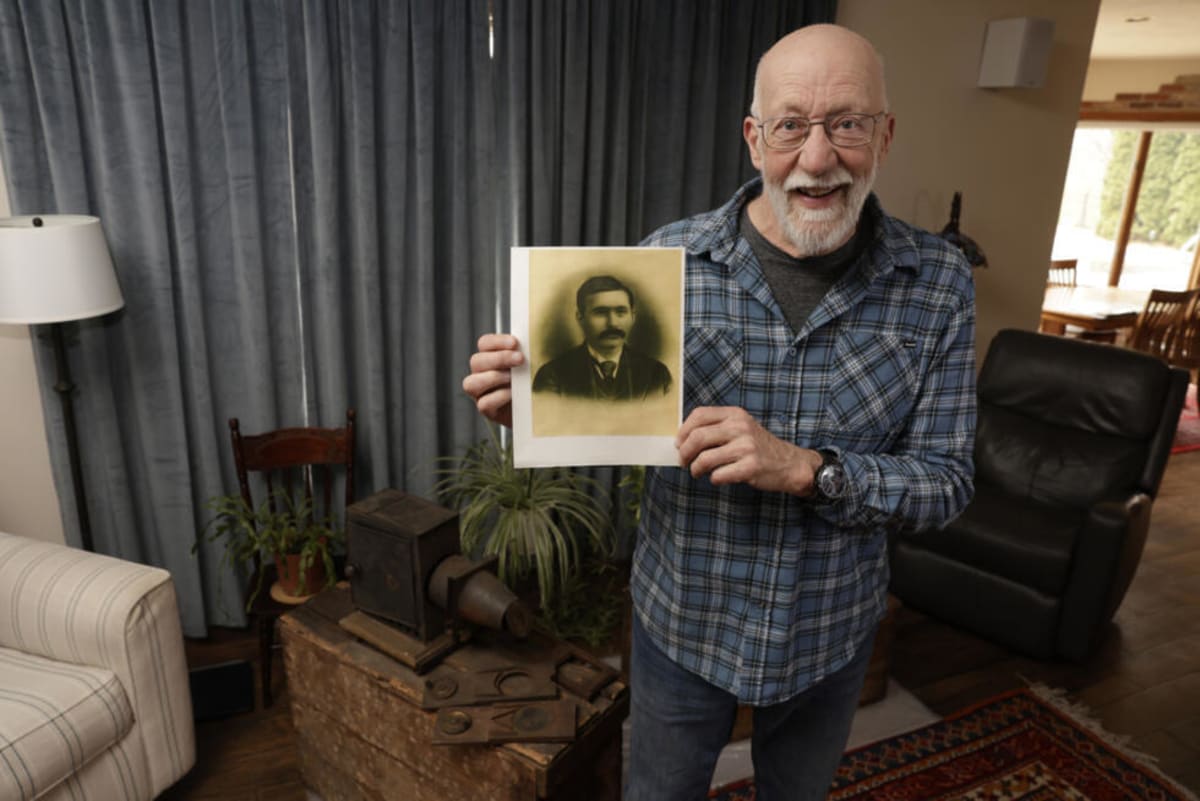
A battered wooden trunk stored in Bill McFarland's garage held a secret that film historians thought was lost forever. Inside sat a 127-year-old film by Georges Méliès, one of the world's first filmmakers, waiting to be discovered.
McFarland, a 76-year-old retired teacher from Michigan, spent 20 years caring for the trunk his great-grandfather left behind. William DeLyle Frisbee, a Pennsylvania potato farmer, traveled by horse and buggy showing silent movies to rural communities at the turn of the 20th century. His collection of film reels passed through generations, moving from attic to barn to garage, while family members wondered what to do with them.
McFarland tried giving them to museums and even attempted selling them through an antique store. The antique dealer quickly sent him away after learning the vintage nitrate film reels were highly combustible and could explode.
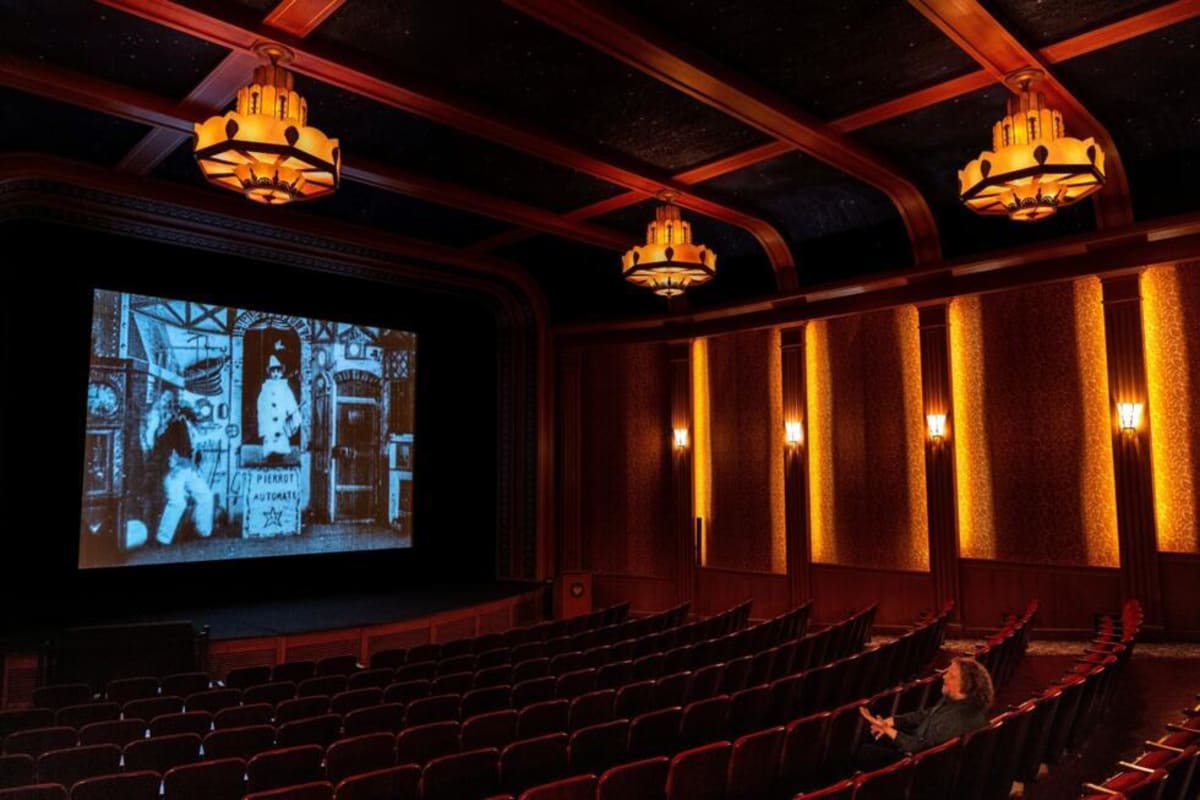
Last September, McFarland drove from Michigan to the Library of Congress in Virginia, popping the trunk of his Toyota sedan to reveal the mysterious collection. Spliced into one of the 10 reels was "Gugusse and the Automaton," a 45-second film made by Méliès in 1897, just two years after the world's first public movie screening in Paris.
The film shows a magician (played by Méliès himself) cranking up an automaton that grows in size and beats him with a stick. The magician fights back with a sledgehammer until the automaton disappears through surprisingly precise jump cuts.
Méliès inspired modern filmmaking with his experimental special effects and fictional narratives. He's most famous for "A Trip to the Moon" (1902), featuring the iconic scene of a rocket landing in the eye of the man in the Moon. By the 1910s, his work fell out of favor as filmmaking shifted from Europe to America, and he ended up selling toys at a Paris train station.
The Ripple Effect
Film piracy actually saved Méliès' legacy. George Willeman, leader of the Library's nitrate film vault, explains the recovered reel is likely a third-generation pirated copy. That matters because Méliès destroyed hundreds of his own negatives, with the celluloid melted down and used to make soldiers' boots during World War I.
The discovery sent McFarland on a new journey learning about his great-grandfather's life. Frisbee's well-thumbed pocket diaries describe his travels across Pennsylvania with what he called his "exhibition," including an Edison phonograph, magic lantern projector, and eventually movies. One entry reads: "Gave the exhibition at Garland, $5 receipts, rough crowd."
A century later, that rough-crowd potato farmer's careful collection brought cinema history back to life.
More Images


Based on reporting by France 24 English
This story was written by BrightWire based on verified news reports.
Spread the positivity!
Share this good news with someone who needs it