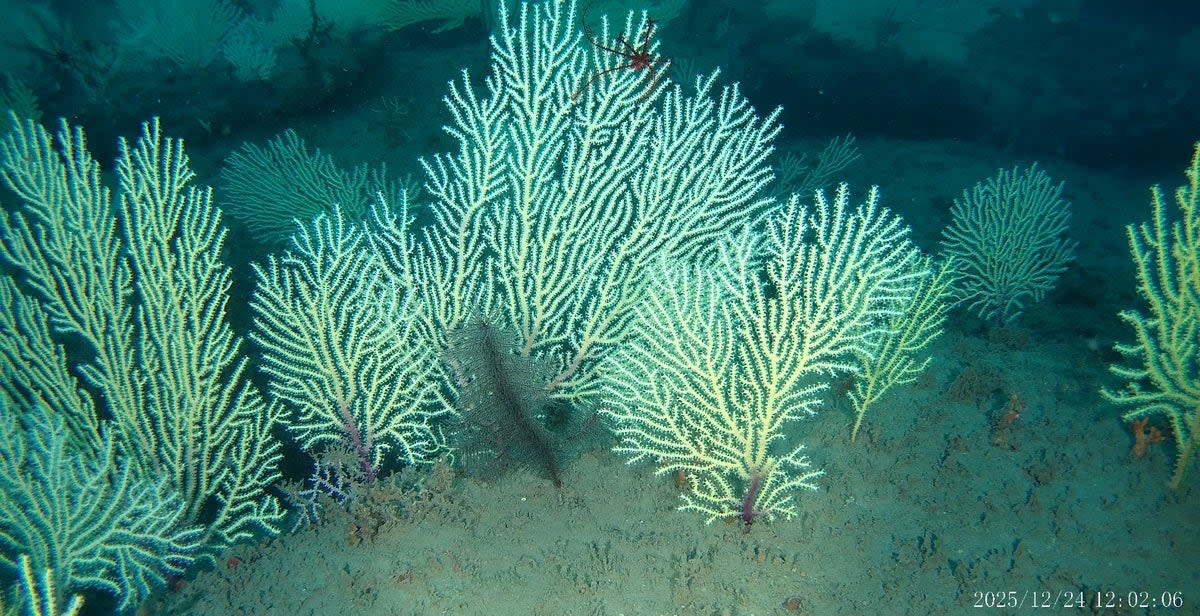
Lost Coral Reef Found Thriving 60 Years Later in Benin
Scientists rediscovered a coral reef off West Africa's coast that was written off as dead in the 1960s—and found it flourishing in deep waters. The mesophotic ecosystem in Benin offers hope that some coral communities can survive climate pressures in the ocean's twilight zone.
A coral reef declared dead six decades ago is alive and thriving beneath the waves off Benin's coast, proving that nature still has surprises up her sleeve.
In the 1960s, fishing surveys detected possible coral formations more than 160 feet below the surface in the Gulf of Guinea. Scientists of that era lacked the technology to explore deeper waters, so they assumed the reef was already lost and never investigated further.
Fast forward to 2026, when researcher Gérard Zinzindohoué of the Benin Fisheries and Oceanological Research Institute decided to check again. His team brought high-resolution sonar and underwater drones to the same spot where those decades-old surveys had detected mysterious formations.
"I was guided by the hope that sometimes nature can surprise us," Zinzindohoué says. "The first thing that gave us hope was our first deployment of the sonar."
After scanning nothing but sand and sediment, the team suddenly detected rocky structures. The sonar signature suggested they might be looking at a coral reef barrier, and underwater cameras confirmed their hopes.
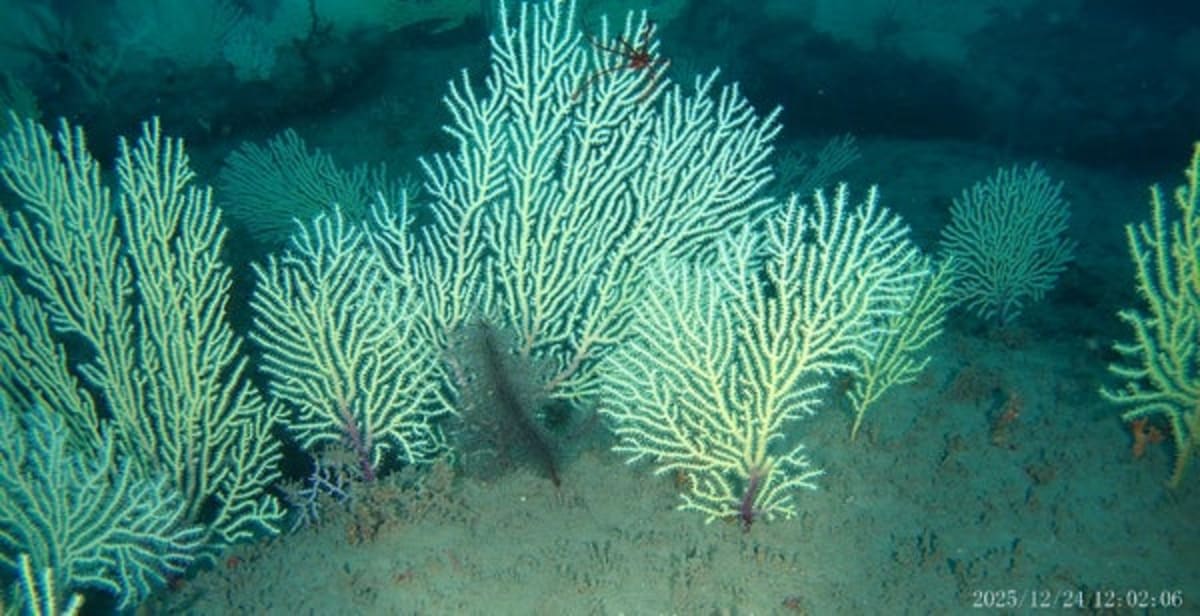
They found a living mesophotic coral ecosystem teeming with life in the ocean's twilight zone. Unlike the colorful shallow reefs most people picture, these corals thrive in dimly lit waters as scattered patches growing on rocky outcrops across the seafloor.
The discovery, published July 19 in Frontiers in Marine Science, marks the first confirmed living mesophotic coral ecosystem on the Gulf of Guinea's continental shelf. It remains unclear whether the reef has existed continuously since the 1960s or if coral communities have regrown over the years.
The Ripple Effect
This rediscovered reef could change how scientists think about coral resilience in warming oceans. While shallow coral reefs face bleaching and death from rising temperatures, deeper mesophotic ecosystems may offer refuges where corals can survive climate pressures.
The finding also signals new possibilities for ocean research along West Africa's coast, where marine science has historically received limited attention and funding. Zinzindohoué hopes the discovery will inspire his government and others to invest in protecting and studying their marine ecosystems.
Future expeditions will sample coral directly and survey more of the west African coastline to determine the reef's full extent and piece together its history. Each new patch of thriving coral could reveal strategies these ancient animals use to adapt and survive.
Sometimes the most hopeful discoveries happen when we give nature a second look.
More Images


Based on reporting by Scientific American
This story was written by BrightWire based on verified news reports.
Spread the positivity!
Share this good news with someone who needs it