Vietnam Rebuilds 8 Schools After 2025 Typhoon Floods
After devastating typhoons destroyed classrooms across remote Vietnamese provinces, UNESCO and local educators restored learning for 1,600 students while building tools to protect schools from future disasters. Now teachers like Ms. Đinh Hồng Huệ have resources to keep children safe and learning, even when the next storm hits.
When Typhoons Bualoi and Matmo tore through Vietnam's mountainous Cao Bang and Lang Son provinces in late 2025, they didn't just damage buildings. They took away the safe spaces where children learned, connected with friends, and felt secure.
Heavy flooding destroyed textbooks, damaged classrooms, and blocked roads, forcing schools to close temporarily. For more than 1,600 students in these remote areas, home to significant ethnic minority communities, the disruption meant losing not just lessons but the daily routines that help children feel stable during crisis.
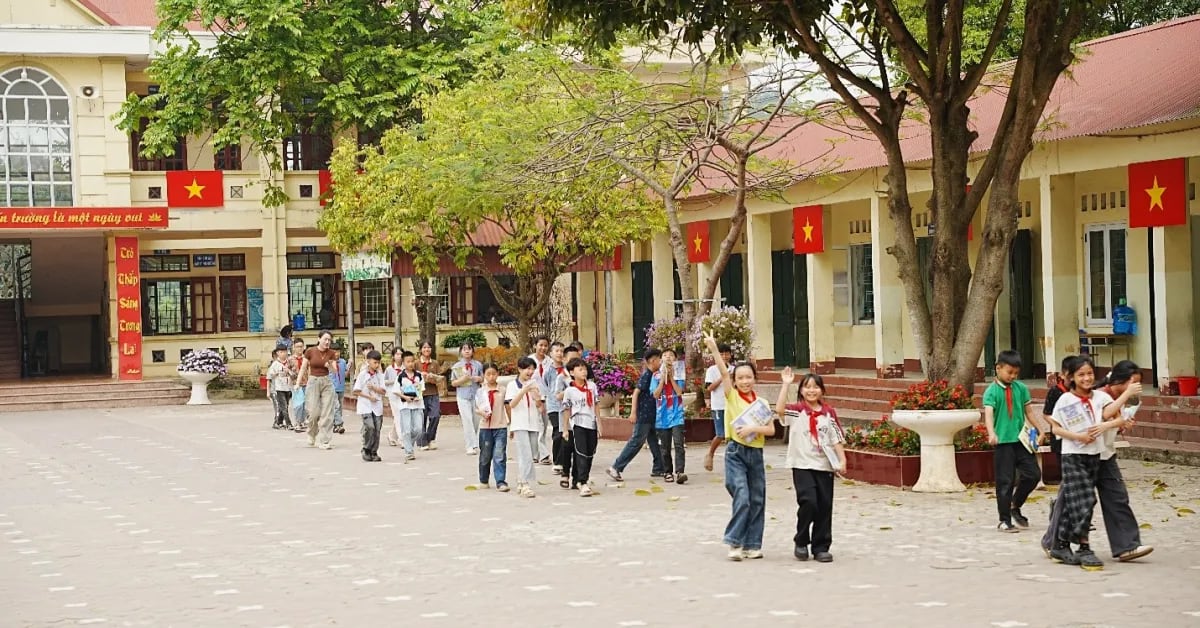
By September 2026, UNESCO partnered with Vietnam's Ministry of Education and Training to do more than rebuild. Working with provincial education authorities and local schools, they restored eight primary and lower secondary schools with new furniture, equipment, and educational resources. Every student now has access to safer learning environments where education can continue, even after disaster strikes.
The recovery effort revealed something important: teachers become so much more during emergencies. They transform into counselors, coordinators, and trusted sources of comfort for frightened students while managing their own disaster-related stress.
Ms. Đinh Hồng Huệ, a primary school teacher from the Tay ethnic minority community in Cao Bang, knows this reality intimately. She lives in teacher accommodation vulnerable to heavy storms. "Every time there is a storm, we are very worried, afraid that the roof might collapse," she shared. "I just prepare in advance and try to find a place to run if something happens."
Her experience helped shape what came next. Through consultations with students, teachers, school leaders, and local authorities, the team developed practical tools schools can actually use. These resources help educators assess risks, create emergency plans, maintain learning continuity, and support students' mental health during crises.
The Ripple Effect
The work in Cao Bang and Lang Son represents a fundamental shift from reacting to disasters to preventing their worst impacts. As climate-related hazards become more frequent across Southeast Asia, these practical tools give schools a blueprint for protecting education before the next typhoon forms.
The assessment materials translate hard-won lessons from recent disasters into actions school leaders can take today. They address not just physical infrastructure but the emotional wellbeing of students who need stability when everything else feels uncertain.
"Disaster prevention, preparedness, response and recovery are not only immediate priorities but also long-term responsibilities to safeguard every child's right to education under all circumstances," said Nguyen Thanh Trung from Lang Son's Department of Education and Training.
Now, when storms approach these remote provinces, teachers have emergency plans ready, students know what to do, and communities have strengthened their ability to protect what matters most: keeping children learning and safe, no matter what the weather brings.
More Images
Based on reporting by Google News - Recovery Story
This story was written by BrightWire based on verified news reports.
Spread the positivity!
Share this good news with someone who needs it