Lost Medieval Town Found in Polish Forest After 500 Years
Archaeologists discovered the vanished town of Stolzenberg hidden in a Polish forest, complete with ramparts, a moat, and hundreds of artifacts revealing life in a medieval city that disappeared centuries ago. The find offers a rare glimpse into how medieval communities lived before the town mysteriously declined.
Deep in a Polish forest, researchers just found something incredible: an entire medieval town that vanished without a trace over 500 years ago.
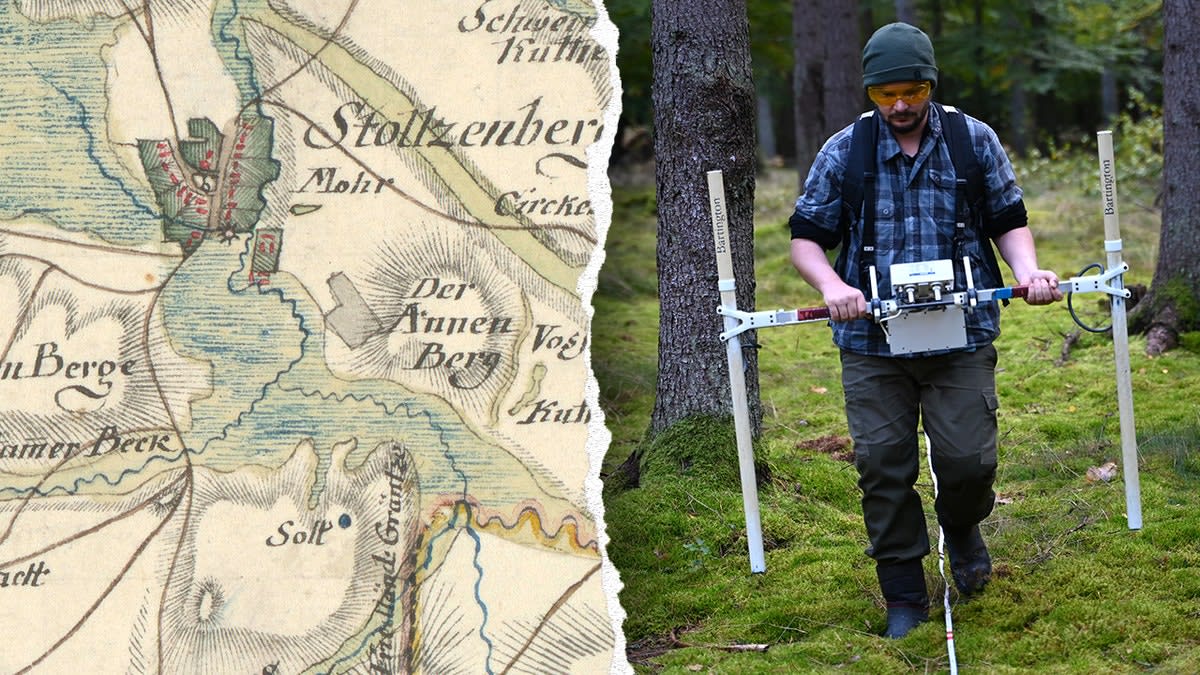
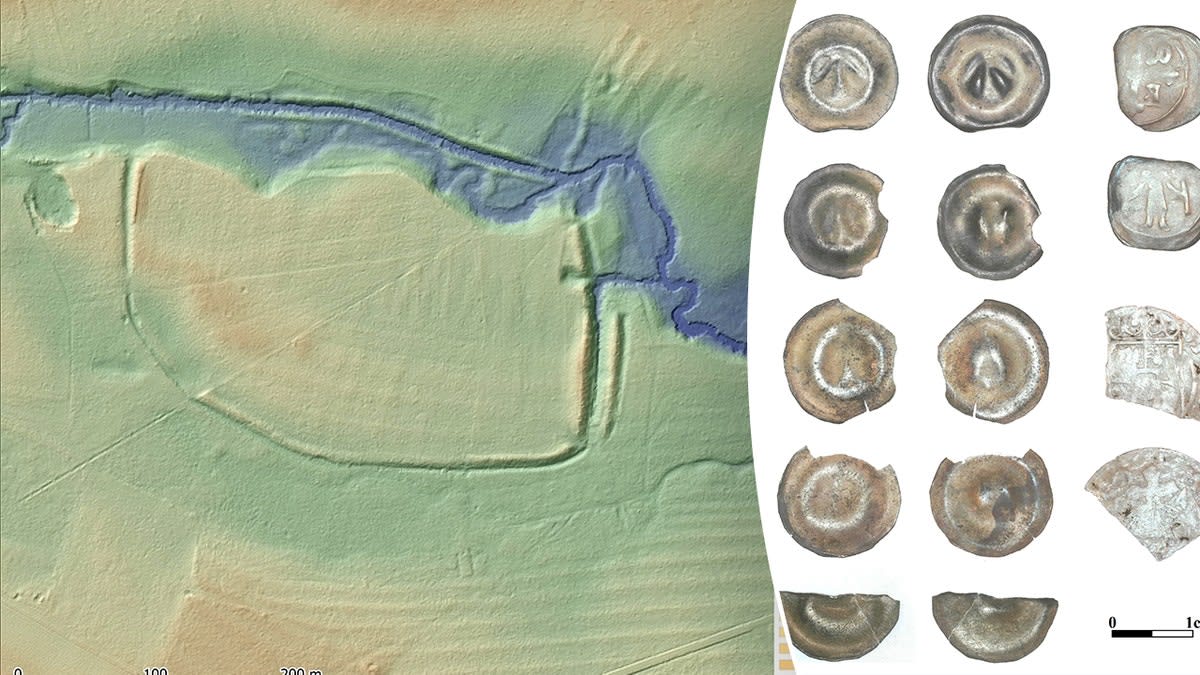
Archaeologists uncovered the remains of Stolzenberg outside the modern village of Sławoborze, revealing massive earthen ramparts and an 18-foot-deep moat still intact after centuries. The discovery came after the team initially searched the village itself but found nothing.
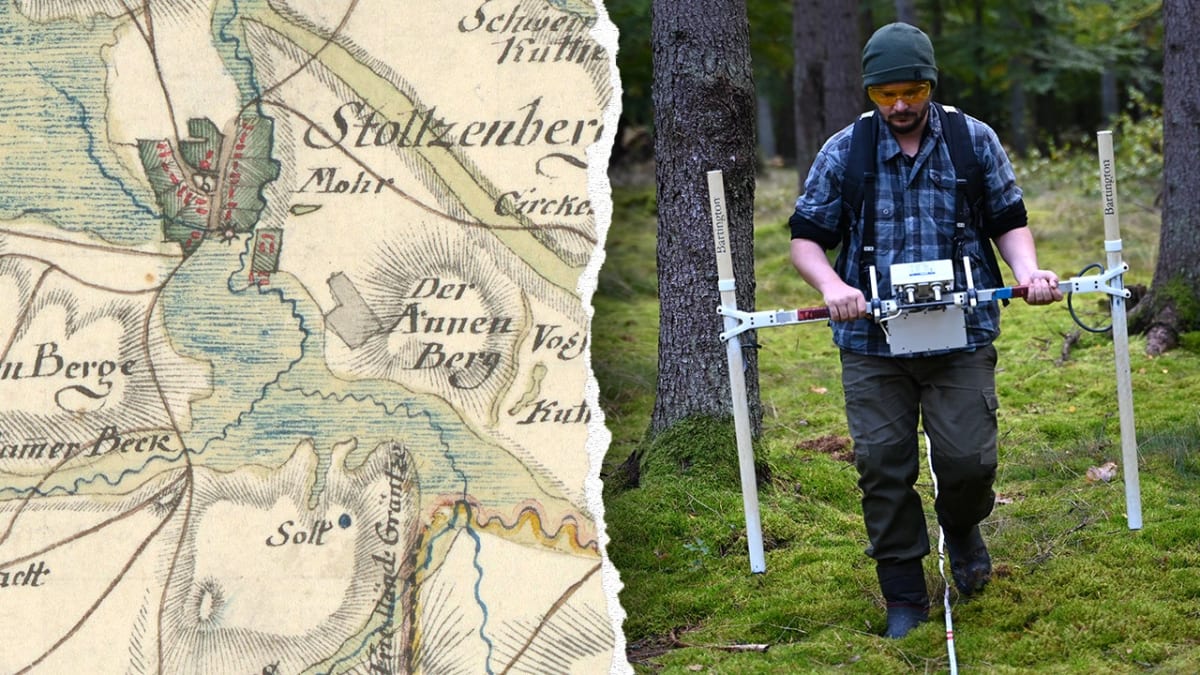
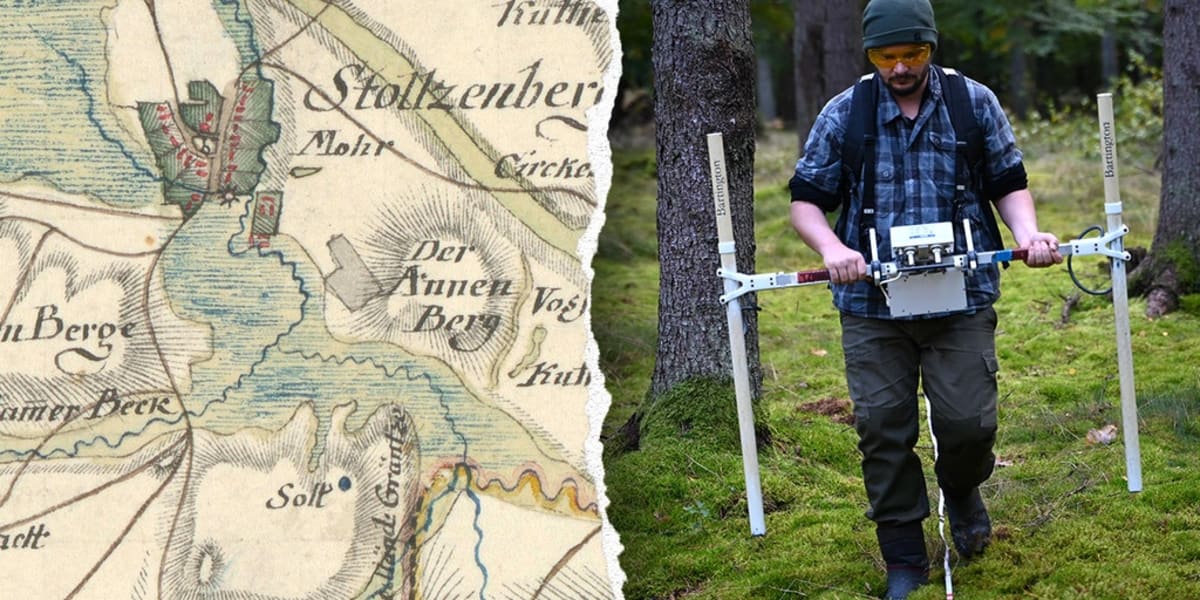
"The results of these surveys dispelled any remaining doubts," said archaeologist Marcin Krzepkowski of the Relicta Foundation. A recent geophysical survey confirmed what historical maps had hinted at: a lost city waiting to be rediscovered.
The team found regular magnetic patterns indicating buildings that once surrounded a rectangular market square, the typical layout of medieval towns founded under German law. Traces of streets leading to city gates emerged from the ground, painting a picture of bustling medieval life.
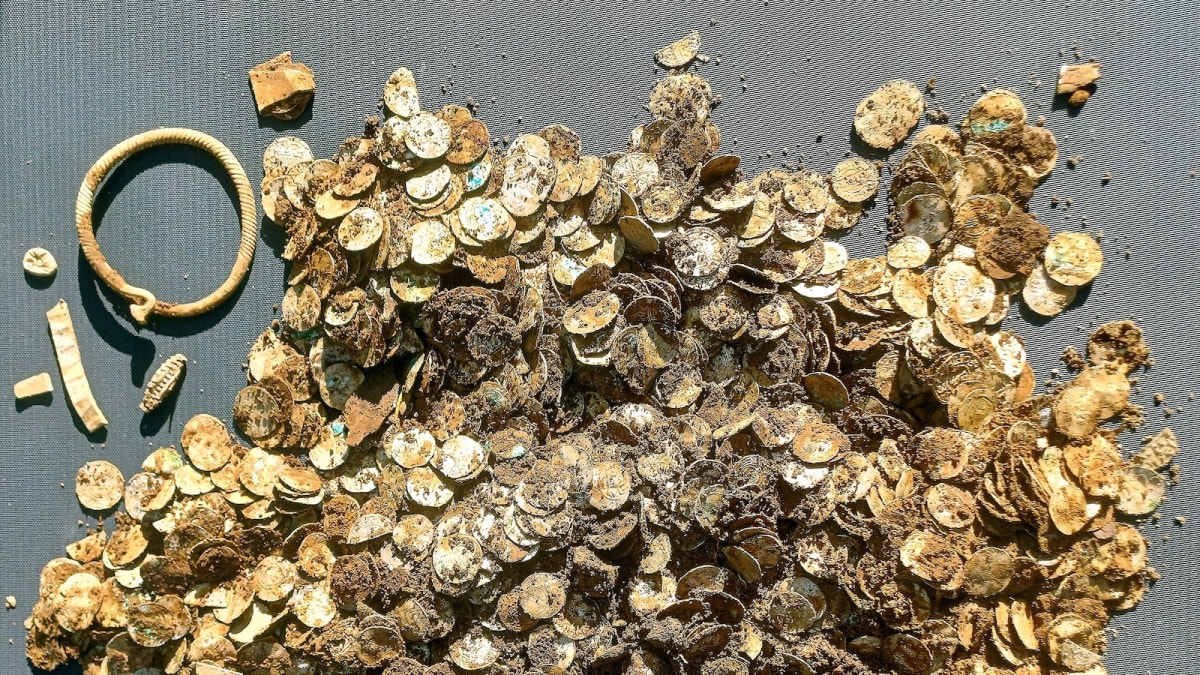
Metal detectorists working the site unearthed over 400 artifacts spanning thousands of years. The medieval treasures included silver coins, ornate belt elements, and coat clasps worn by town merchants and residents.
Tools like knives and iron padlocks showed daily life, while fragments of cannon grenades and lead bullets revealed a later chapter. These weapons connected to a 1761 battle between Russian and Prussian forces during the Seven Years' War, fought over the town's ruins.
Why This Inspires
What makes Stolzenberg special is how quickly it disappeared. Some urban plots remained undeveloped, suggesting the town failed early in its existence before reaching its full potential.
"Strange as it may seem, cities were sometimes relocated to new, more convenient locations," Krzepkowski explained. Factors like flooding threats, shifting trade routes, or competition from neighboring towns could doom a settlement.
The town likely vanished in the 14th or 15th century, based on the scarcity of artifacts from later periods. Yet its sudden abandonment preserved it like a snapshot, freezing medieval life in place.
Now researchers plan to locate the town hall and church while conducting bioarchaeological analyses to learn about residents' health and diets. These studies could reveal how ordinary people lived in this contested border region between Germany and Poland.
"This site is a true time capsule, harboring many mysteries," Krzepkowski said. "Unraveling them will help us better understand the settlement and city-forming processes in this part of Europe."
The Relicta Foundation specializes in finding lost medieval cities, and they're just getting started with Stolzenberg.
More Images
Based on reporting by Fox News Travel
This story was written by BrightWire based on verified news reports.
Spread the positivity!
Share this good news with someone who needs it