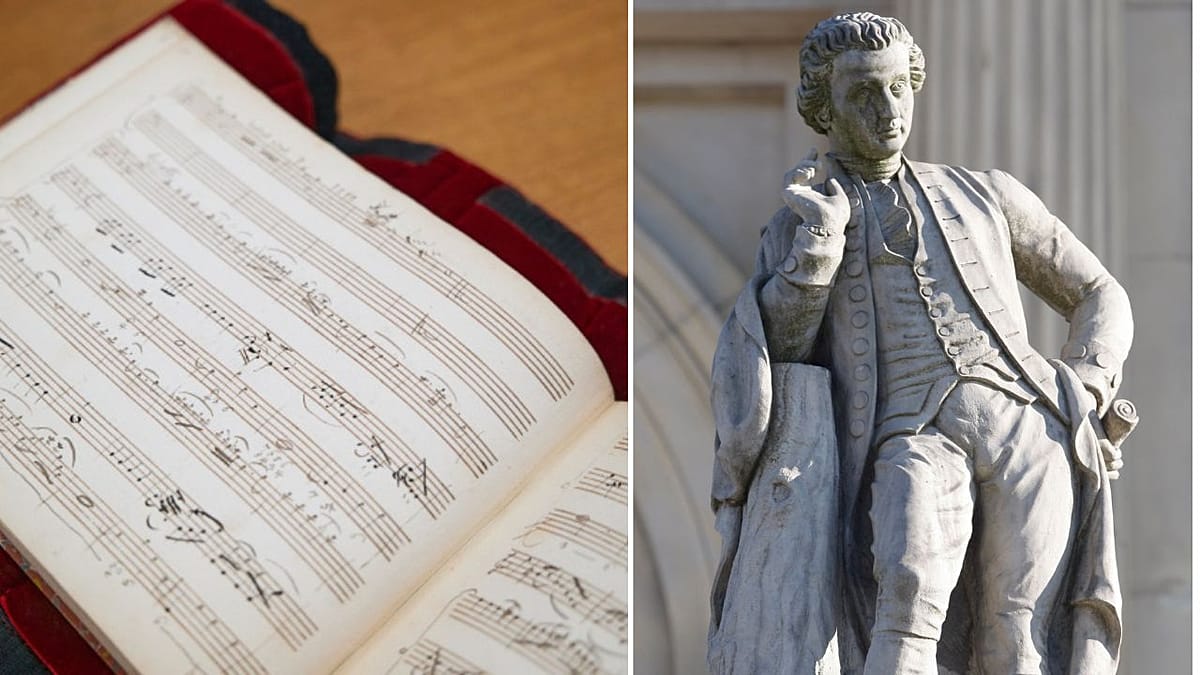
Lost Mozart Manuscript Found After 248 Years in Paris
A French librarian weeks from retirement discovered seven unknown Mozart pieces hidden in the library's archives. The world just heard them for the first time this week.
After three decades preserving musical history, François-Pierre Goy found something no one expected just months before his retirement. Tucked away in a French National Library storehouse, he discovered 44 pages of sheet music that turned out to be lost works by Wolfgang Amadeus Mozart.
The manuscript, dating back to 1778, contained seven pieces for flute and harp that had never been performed publicly. Goy recognized the distinctive handwriting and style, but needed colleagues to confirm what seemed almost too good to be true.
Experts from France and Austria verified the find over several months. Armin Brinzing from the Mozarteum in Salzburg gave the final authentication in April, confirming these were genuine Mozart compositions.
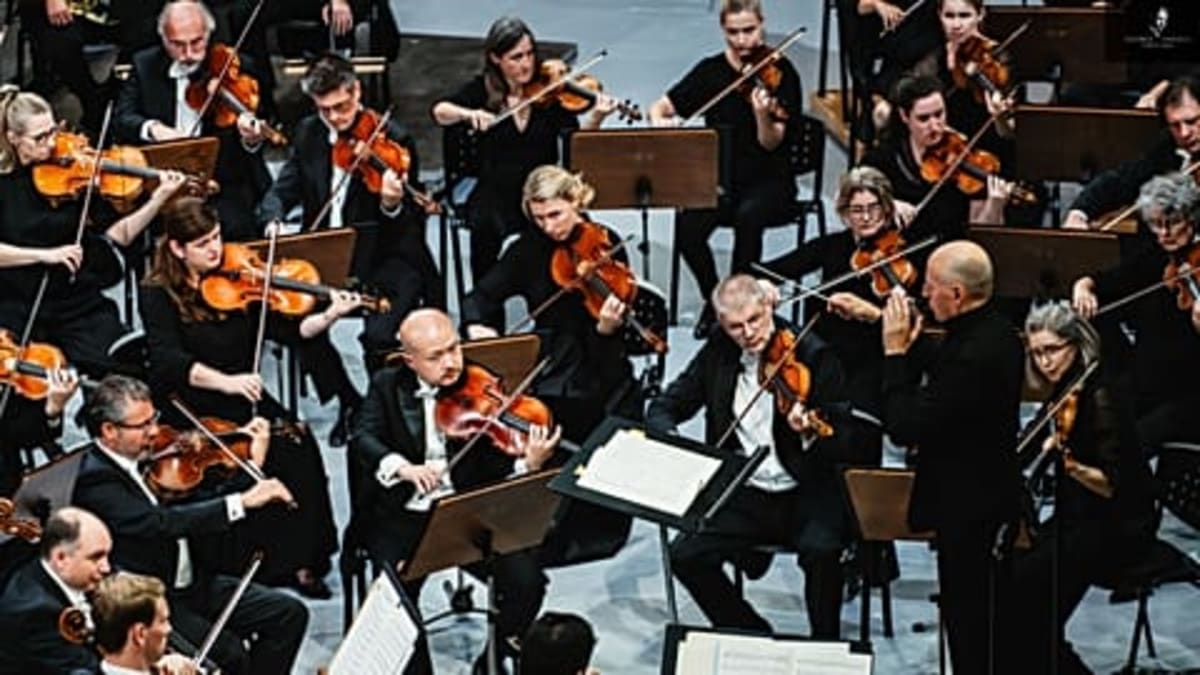
This week, Radio France aired the world premiere. Flutist Mathilde Caldérini and harpist Nicolas Tulliez from the Orchestre Philharmonique de Radio France performed the pieces for the first time in nearly 250 years.
The story behind the music makes it even more interesting. A 22-year-old Mozart spent six months in Paris in 1778, giving composition lessons to Marie-Louise-Philippine de Bonnières de Guînes, a diplomat's daughter who played harp.
The newly found notebook contains six completed exercises from their lessons, plus one unfinished piece. Mozart actually complained about his student in letters to his father, saying she lacked musical invention, though her father insisted she was brilliant.
The lessons ended when Mademoiselle de Guînes married in July 1778, leaving the final composition incomplete. The exercises likely started from Mozart's own musical ideas, making them authentic glimpses into his creative process.
The Ripple Effect
This discovery ranks as one of the most significant Mozart finds in recent decades. The French National Library now holds the world's third largest collection of Mozart manuscripts, behind only Salzburg and Berlin.
These delicate, short exercises add welcome depth to Mozart's limited repertoire for flute and harp. They offer musicians new material to perform and scholars fresh insight into the composer's teaching methods and his time in Paris.
Concert halls worldwide can now program pieces that haven't been heard since the 18th century, bringing Mozart's voice back to life in a completely new way.
More Images

Based on reporting by Euronews
This story was written by BrightWire based on verified news reports.
Spread the positivity!
Share this good news with someone who needs it