Lost Nike Sneakers Helped Scientists Map Ocean Currents
When 60,000 Nike sneakers spilled into the Pacific Ocean in 1990, oceanographers turned disaster into discovery. The floating shoes helped create the most accurate maps of ocean currents ever made.
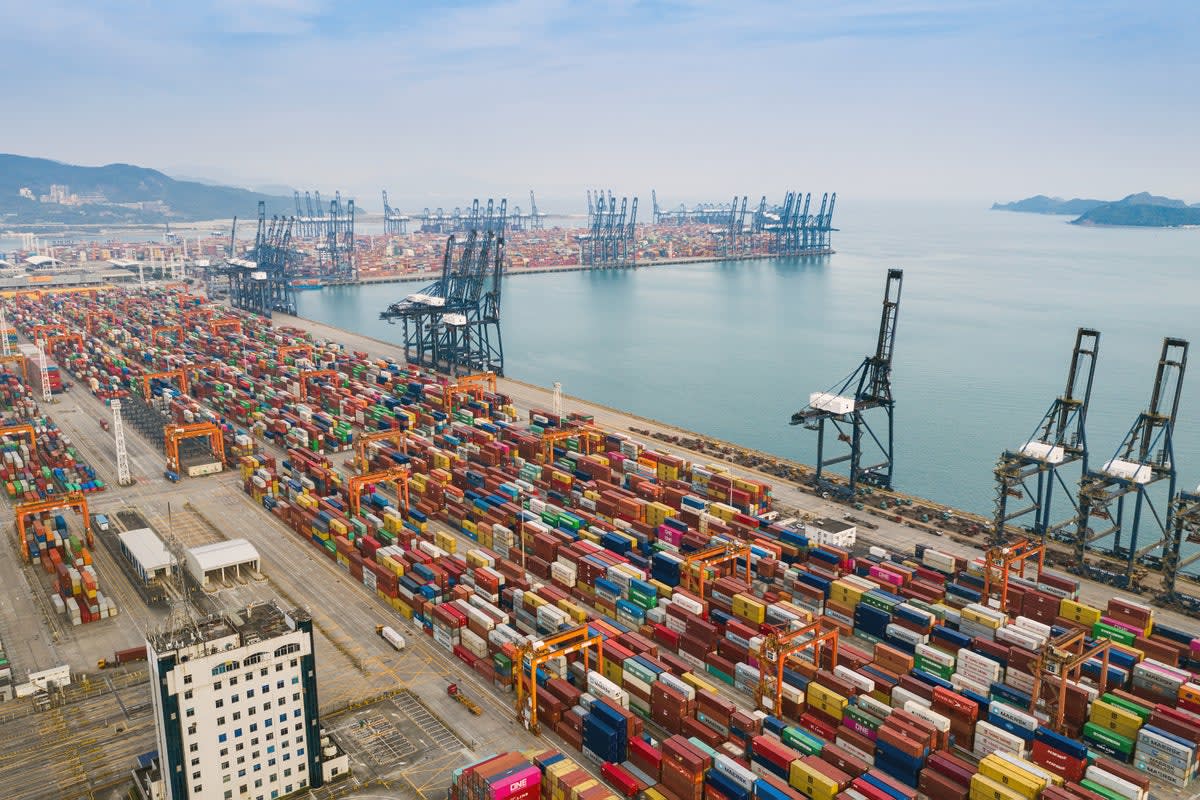
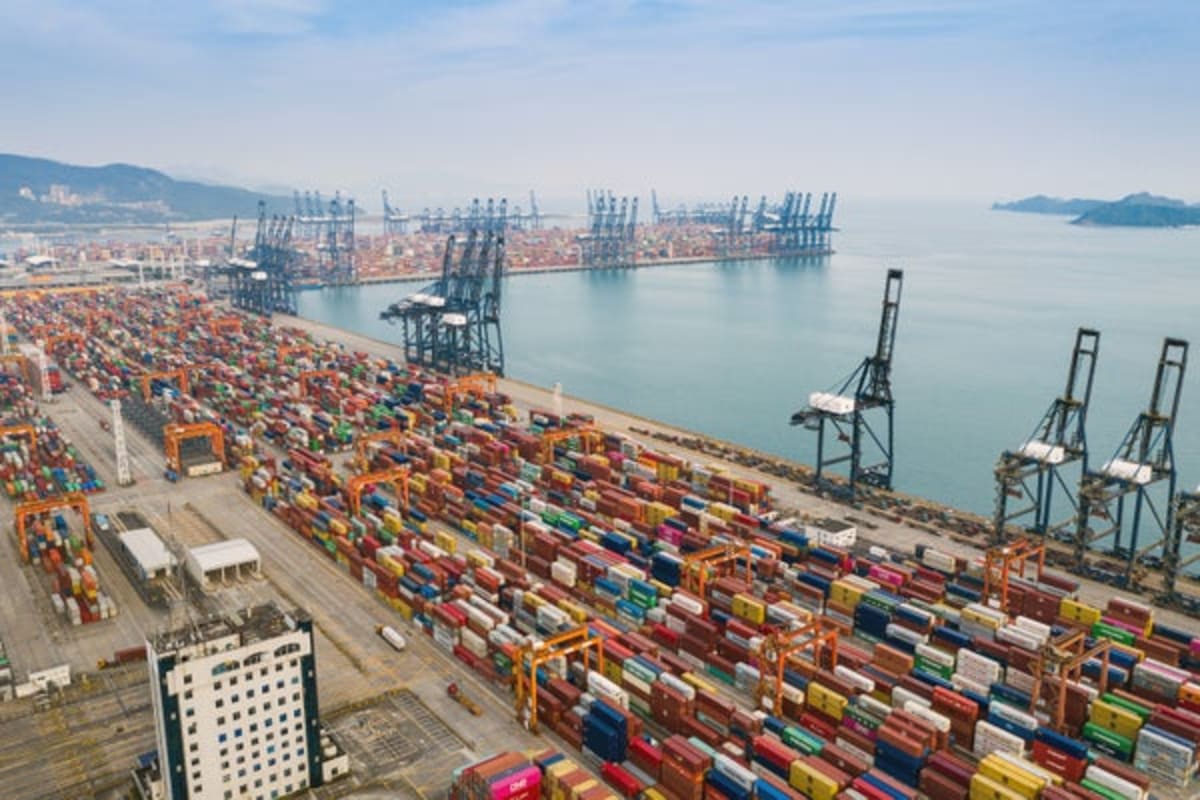
When a German cargo ship lost 21 containers in a Pacific storm in May 1990, nobody expected the accident to advance science. But the 60,000 Nike sneakers that spilled into the sea became an unexpected gift to ocean researchers.
Nine months after the spill, the sneakers started washing up on beaches from Oregon to Canada's Queen Charlotte Islands. Oceanographer Curtis Ebbesmeyer saw an opportunity others missed.
With help from beachcombers, Ebbesmeyer tracked where each shoe landed. His colleague James Ingraham created computer simulations to predict where the sneakers would drift based on wind and current patterns.
The sneakers became thousands of floating data points released into the ocean at once. No research budget could afford to deploy that many tracking devices simultaneously.
Since then, oceanographers have tracked everything from toy cars and Lego figures to hockey gloves and chocolate bars. Each accidental spill provides free data about how ocean currents actually move.
The practice has deep roots. In 1885, Prince Albert I of Monaco threw 1,675 message-filled buoys into the Atlantic to study the Gulf Stream. People who found them sent reports back, creating early current maps.
Today's ocean buoys use satellite technology to transmit real-time location and water data. They're more sophisticated than Prince Albert's bottles, but they're also expensive and limited in number.
Lost shipping containers sometimes prove better for research. A single accident can release thousands of identical objects at once, creating a massive natural experiment that charts hidden current pathways across entire oceans.
The Bright Side
While several thousand containers vanish at sea each year, creating serious environmental concerns, the accidents have helped scientists understand ocean systems better than ever before. The tracking data from spilled cargo has improved current maps used for everything from climate research to marine conservation planning.
These more accurate maps help researchers predict how pollution spreads and how marine life migrates. The knowledge gained from floating sneakers and toys contributes to protecting the very ocean ecosystems threatened by the spills themselves.
Sometimes the worst accidents teach us the most valuable lessons about our planet.
More Images


Based on reporting by Scientific American
This story was written by BrightWire based on verified news reports.
Spread the positivity!
Share this good news with someone who needs it