Lost Ocean Robot Rescued by Sailor After 4-Month Drift
When an underwater research glider broke down mid-Atlantic, international scientists and a racing yacht skipper teamed up for an incredible ocean rescue. The collaboration saved a groundbreaking mission to study the world's most remote waters.
An autonomous underwater robot named Redwing drifted helplessly across the Atlantic Ocean for four months after an unexpected collision damaged its diving system. Thanks to a global team of scientists, students, and one racing sailor, the stranded ocean explorer got a second chance at making history.
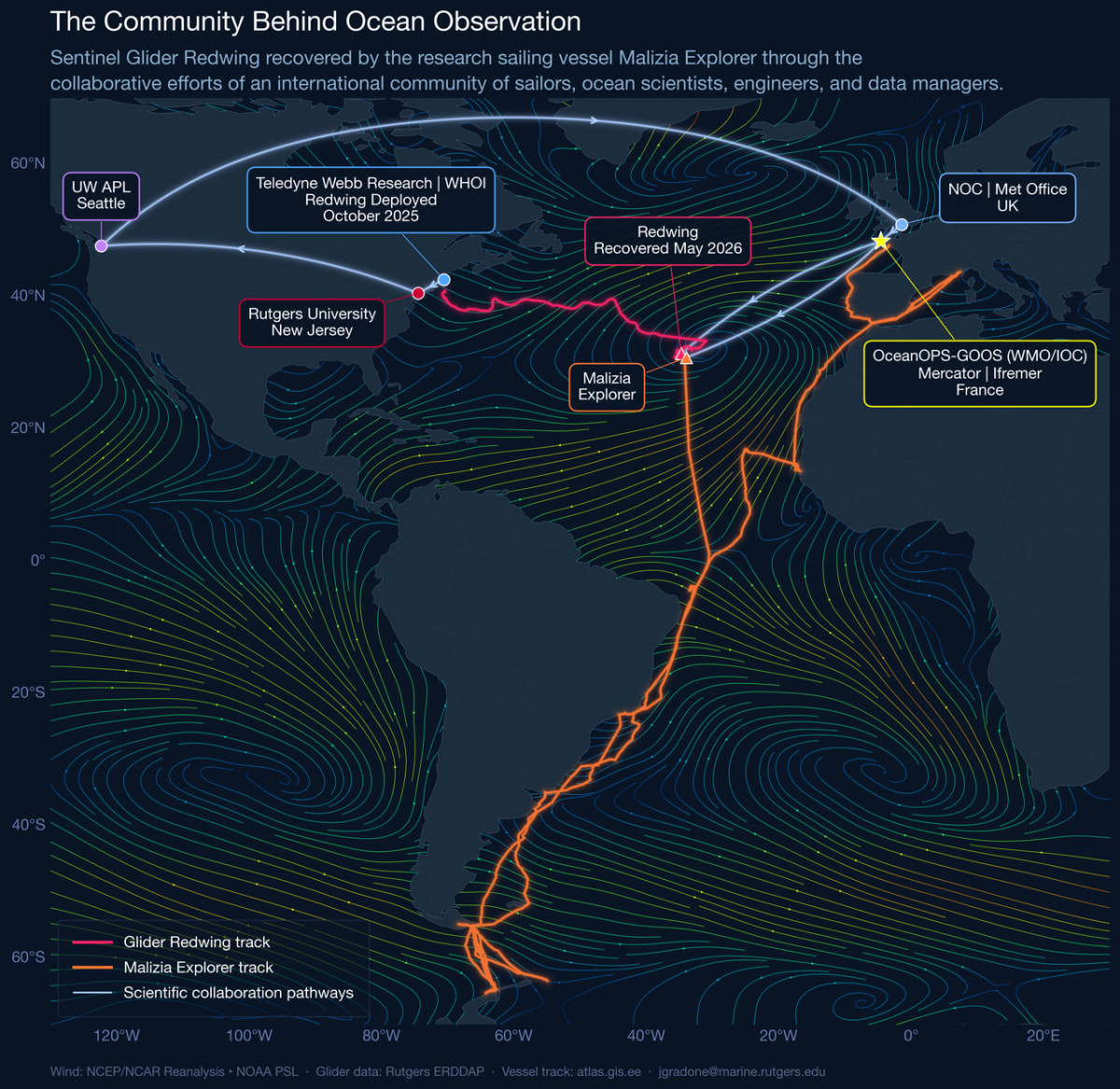
Redwing launched in October 2025 with an ambitious goal: become the first autonomous vehicle to travel around the entire globe underwater. The sleek glider collected vital ocean data on temperature, salt levels, and marine life while cruising silently through some of Earth's most unexplored waters.
Everything worked perfectly until January 16, when the glider surfaced unexpectedly near the Azores and couldn't dive again. Researchers believe a large marine animal bumped into Redwing at depth, breaking its buoyancy system without harming the creature.
For the next four months, students at Rutgers University who had spent three years preparing for the mission tracked their drifting robot. They teamed up with ocean forecasters to predict where currents would carry it next, hoping someone might pass close enough for a rescue.
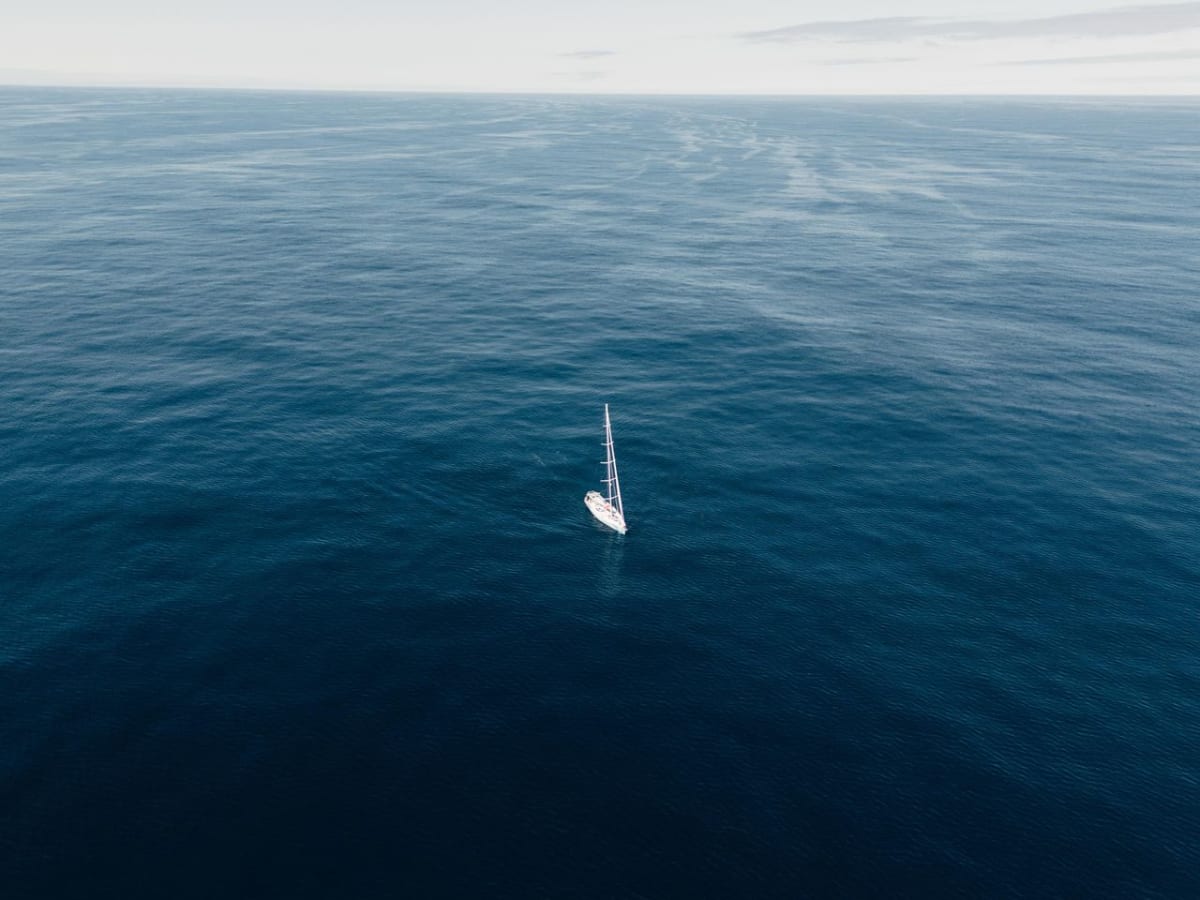
That someone turned out to be Boris Herrmann, skipper of the research sailing vessel Malizia Explorer. His boat was returning from Antarctica when OceanOPS, an international ocean monitoring center, spotted the opportunity and reached out.
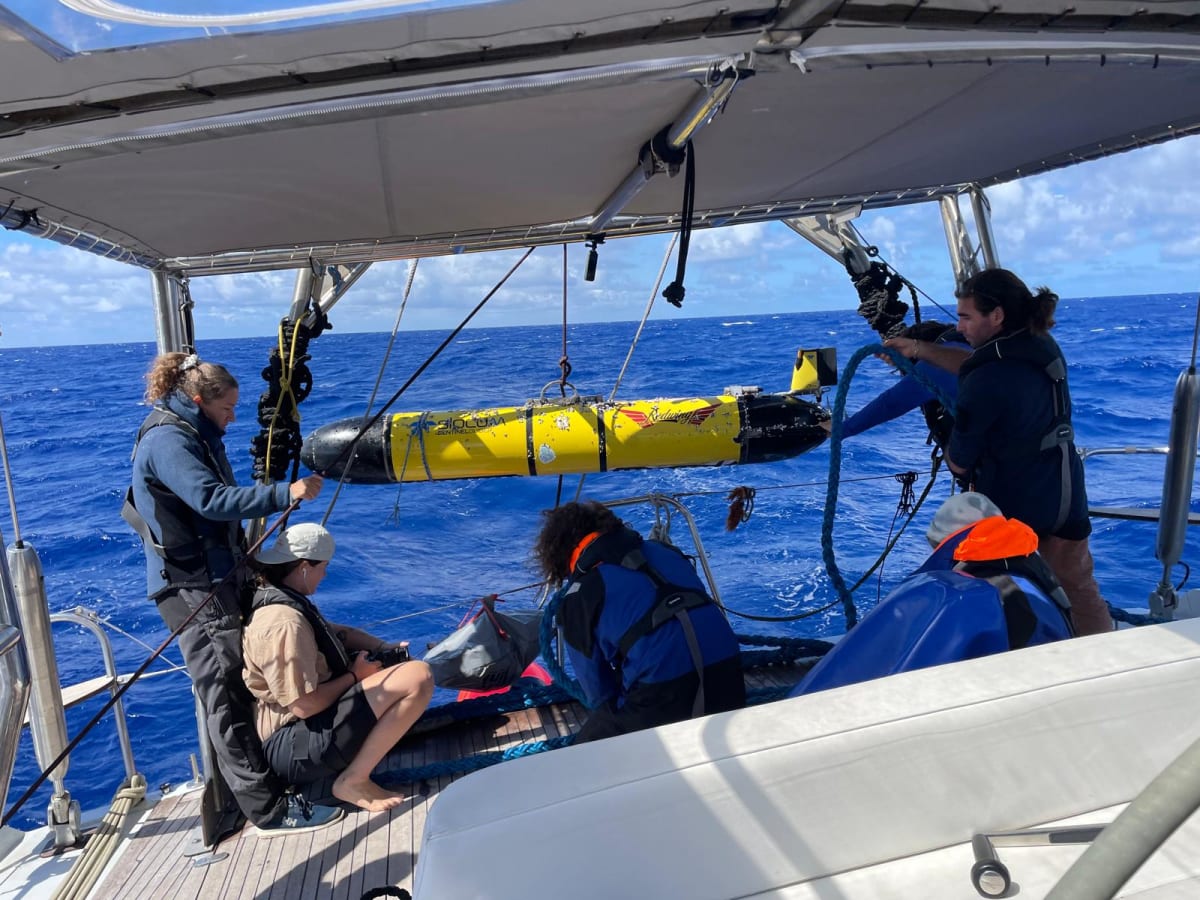
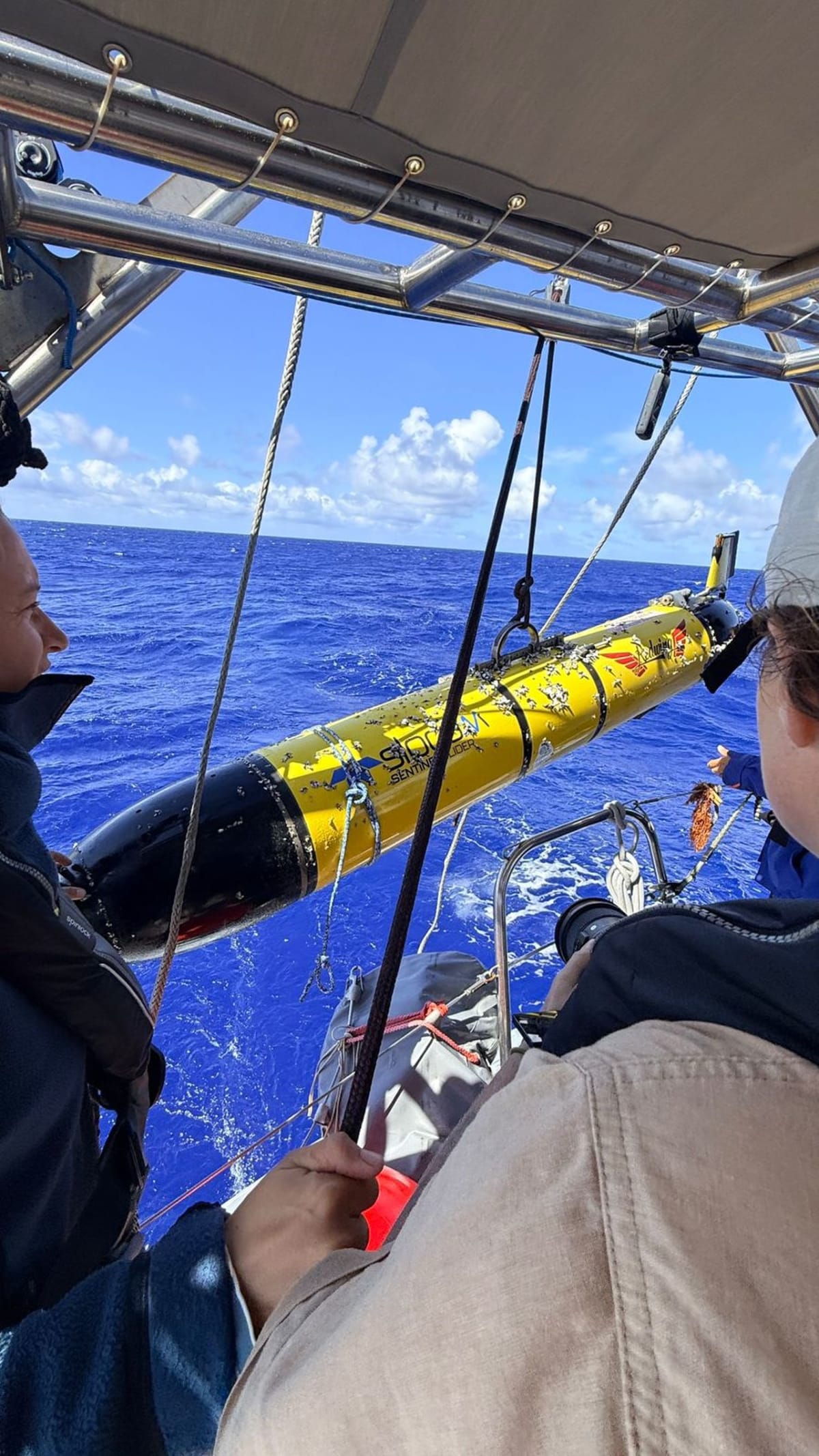
Within hours, Herrmann changed course. Using satellite data and drift predictions from multiple teams, the crew located Redwing on May 19, 2026 and pulled it aboard covered in mussels that had made the glider their temporary home.
The Ripple Effect
This rescue showcases how 64 countries now work together through the Global Ocean Observing System, operating nearly 9,000 instruments that track our changing seas. The data they collect helps forecasters predict weather, scientists understand climate change, and communities monitor ocean health.
Redwing's journey isn't over. Engineers in France are now repairing the glider at world-class facilities in Brest, preparing it to rejoin its round-the-world mission from where it left off near the Azores.
The collaboration worked so well that the same team rescued a second ocean instrument just nine days later. Two research vessels are already lined up to redeploy Redwing, which will continue toward South Africa, Australia, New Zealand, and eventually home to Massachusetts.
"The future of ocean observing is not only about technology, but about the global community behind it," says Joe Gradone from Rutgers University. When a robot breaks down thousands of miles from land, it turns out the best backup system is people working together across continents.
More Images

Based on reporting by Google News - Recovery Story
This story was written by BrightWire based on verified news reports.
Spread the positivity!
Share this good news with someone who needs it