Louisiana Plants 30,000 Cypress Trees to Restore Wetlands
Louisiana has lost 2,000 square miles of coastal wetlands in a century, but a four-year project is fighting back by planting 30,000 bald cypress trees. The hardy trees are bringing life back to an ecosystem damaged by logging and saltwater intrusion.
For thousands of years, Louisiana's iconic bald cypress trees have stood tall over soggy wetlands that would kill most other plants. Now these legendary trees are helping save the very landscape they once defined.
Louisiana's coast is disappearing fast. Over the past century, the state has lost 2,000 square miles of wetlands to erosion, storms, and human activity. Without action, another 5,000 square miles could vanish in the next 50 years.
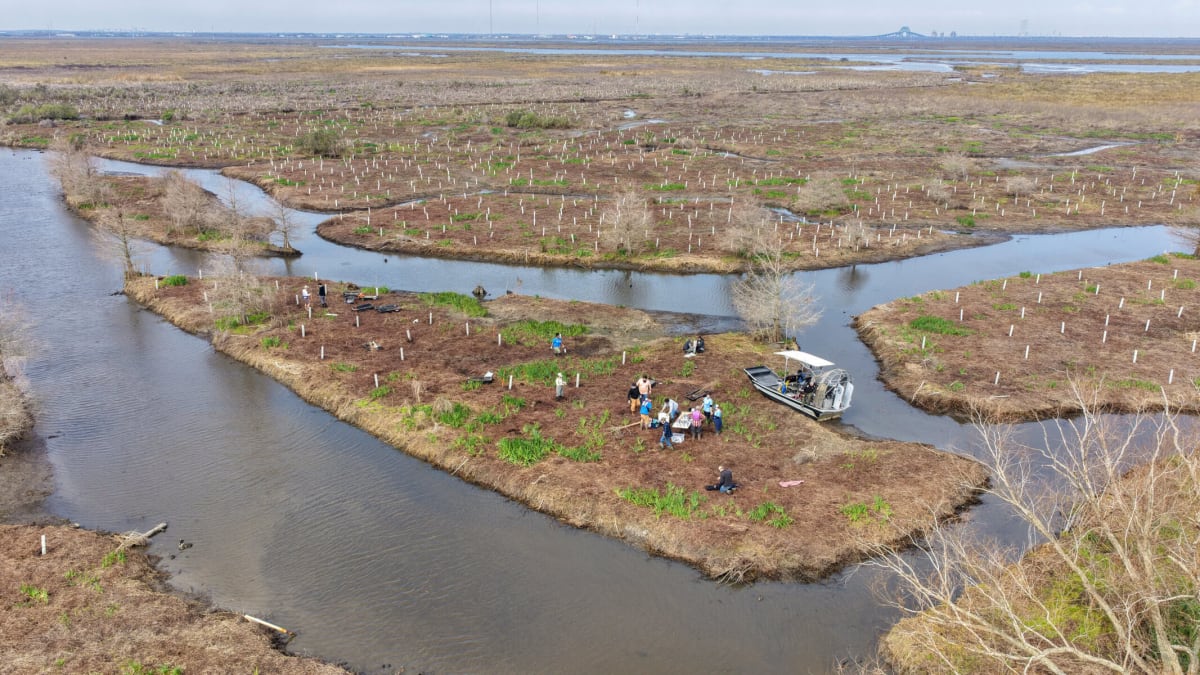
But a powerful solution is taking root. Since 2019, the Central Wetlands Reforestation Collective has been planting thousands of bald cypress trees across Orleans and St. Bernard parishes. The four-year initiative, funded by state and federal programs, is nearing completion of its goal to plant 30,000 trees in areas hit hardest by coastal erosion.
The Central Wetlands were devastated by decades of cypress logging and the opening of the Mississippi River Gulf Outlet in the 1960s. That canal flooded freshwater ecosystems with saltwater and later carried Hurricane Katrina's deadly storm surge into the Lower Ninth Ward and St. Bernard Parish in 2005.
When officials permanently closed the canal in 2009, saltwater levels dropped back toward normal. That created the perfect conditions for bringing back the cypress forests that once thrived there.
Ecosystem restorationist Blaise Pezold calls the cypress "as legendary in Louisiana as the chestnut tree in Appalachia." The trees live for hundreds of years, thrive in waterlogged soil, and bring comfort to locals "like warm bread at home."
The Ripple Effect
These aren't just trees. Cypress forests are natural engineers that hold Louisiana's coastal lands together.
For thousands of years, the Mississippi River deposited sediment along its banks as it wound through Louisiana. Plants grew in that sediment, their roots binding loose sand, silt, and clay into solid ground. That's how the entire Mississippi Delta formed, thousands of square miles of land built by the river with no bedrock underneath.
Bald cypress and tupelo trees anchored those swampy wetlands with their massive root systems. When the trees were logged out and the ecosystem damaged, the land literally began slipping away.
The partnership planting these trees includes the Meraux Foundation, Coalition to Restore Coastal Louisiana, Common Ground Relief, CSED of the Lower 9th Ward, and Pontchartrain Conservancy. Teams of staff and volunteers have been carefully placing seedlings in protective tubes across the wetlands.
Trees planted eight to ten years ago by similar efforts are already thriving, their roots spreading deep into the muck. Each cypress that takes hold stabilizes a little more soil, slows erosion a bit more, and helps rebuild the natural barriers that protect communities from storms.
Louisiana's coast was built one grain of sediment at a time over thousands of years, and now it's being restored one tree at a time by people who refuse to let it disappear.
More Images

Based on reporting by Reasons to be Cheerful
This story was written by BrightWire based on verified news reports.
Spread the positivity!
Share this good news with someone who needs it