Louisiana River Diversion Rebuilds Vanished Wetlands
In south Louisiana, an accidental engineering miracle is helping lost wetlands rise straight out of the water. By redirecting the sediment-rich Mississippi River, conservationists are building new ground and reviving ancient coastal forests.
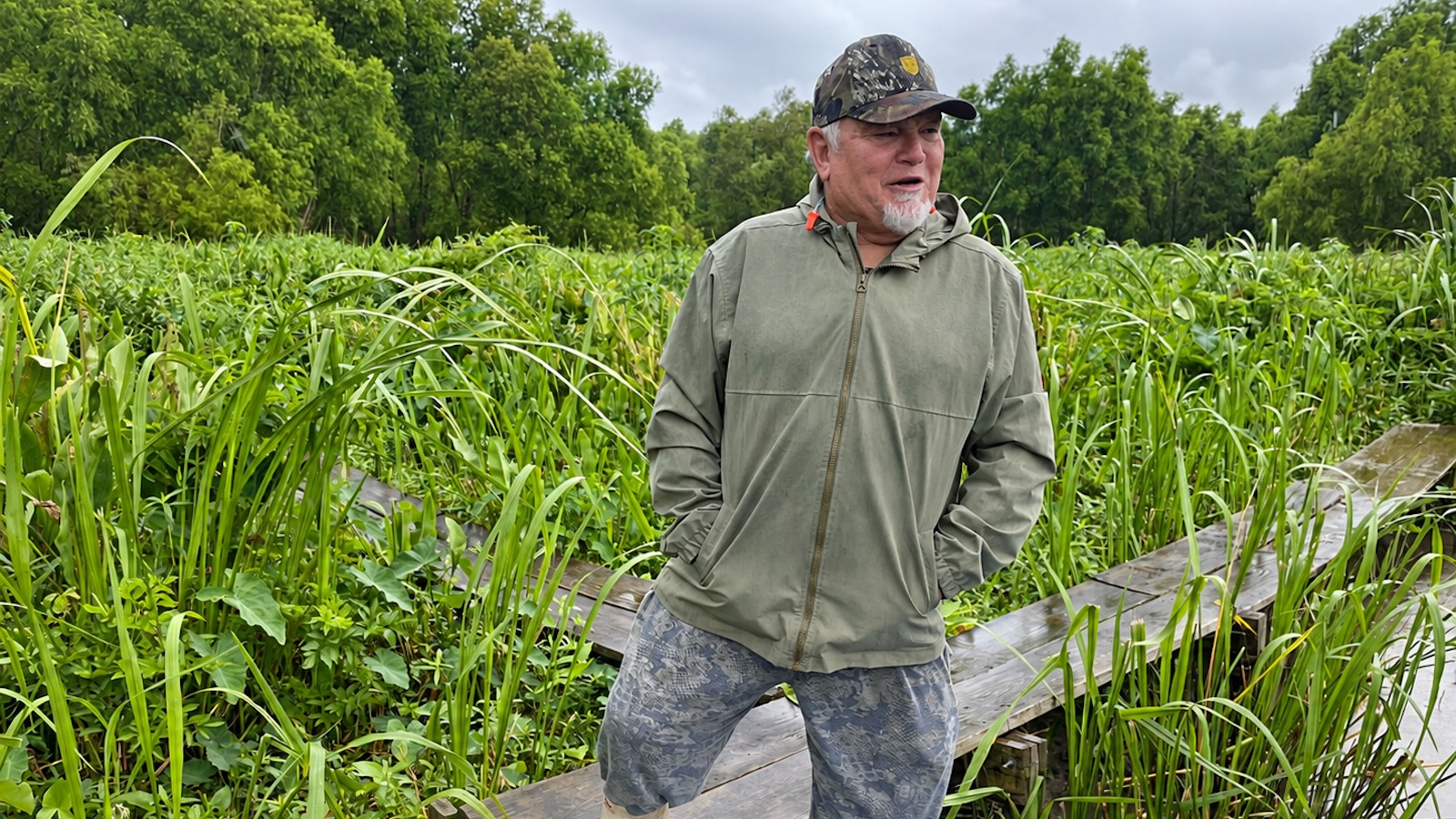
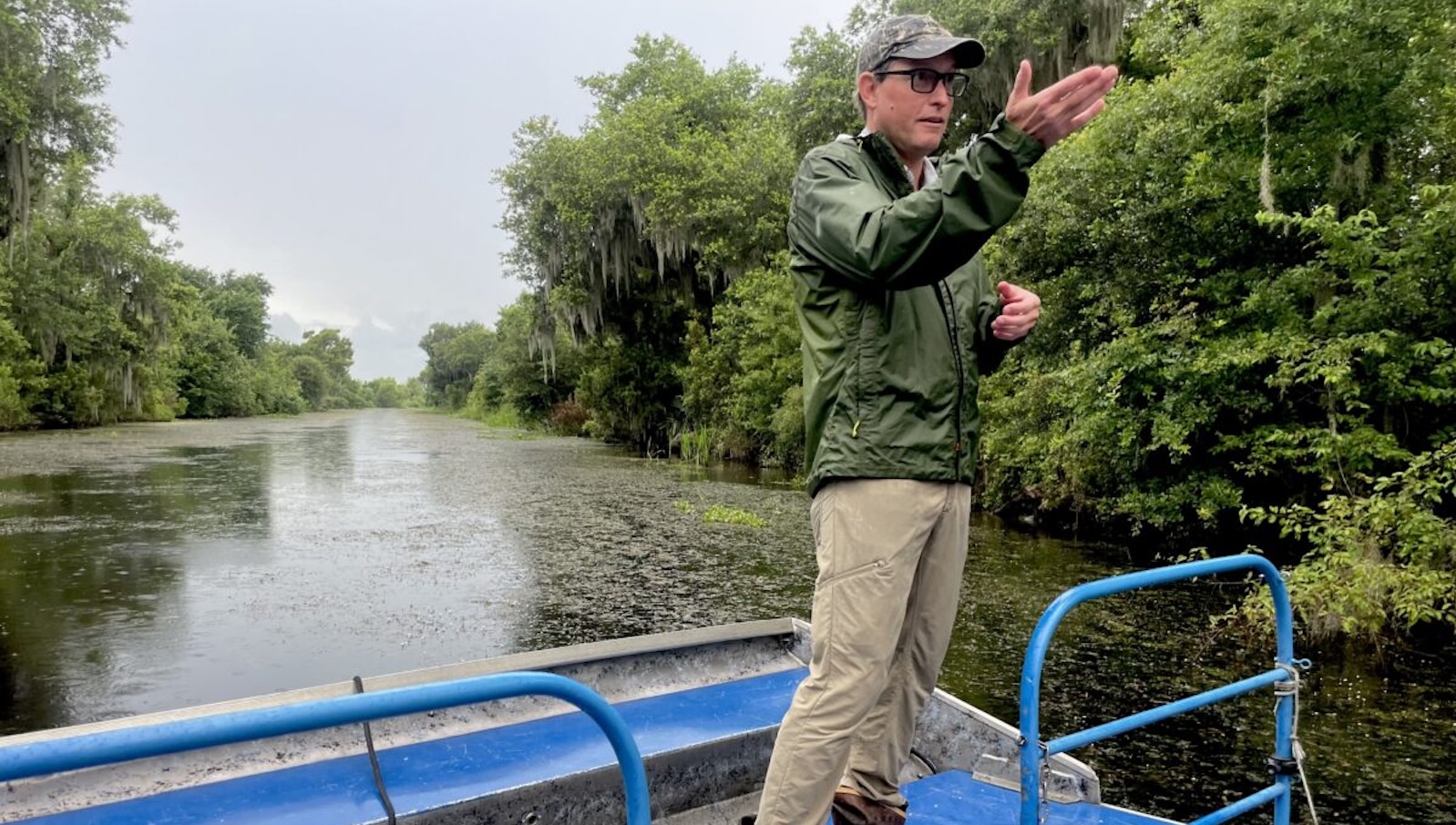
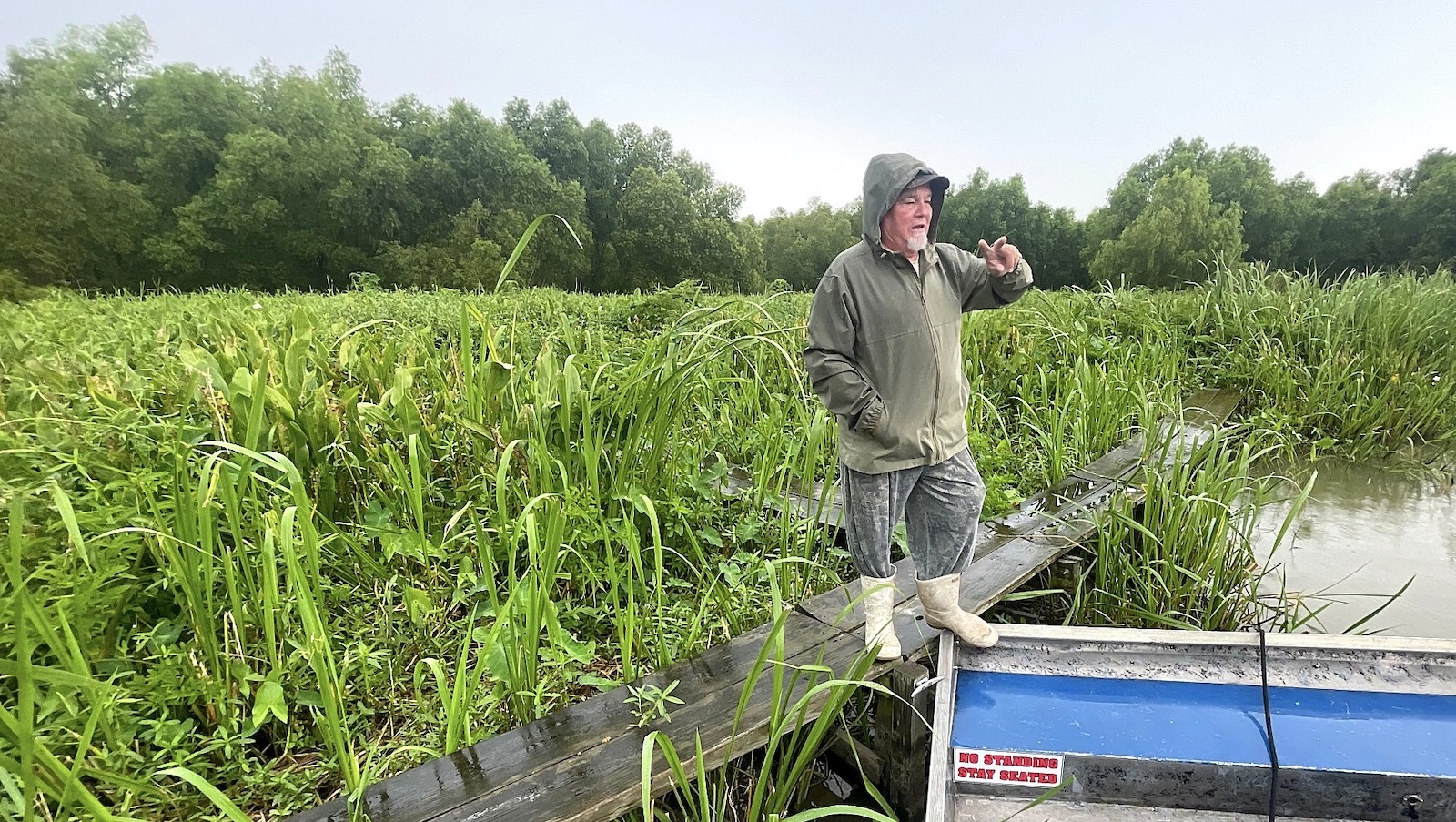
For years, Arthur Matherne watched Louisiana's coast wash away beneath his boat, but today he is witnessing a quiet miracle unfold. Where open water once swallowed the marsh, vibrant green grasses and leafy oak branches are rising straight out of the bayou.
Across south Louisiana, coastal wetlands have surrendered ground to rising seas for decades. Yet in one thriving corner of the Barataria Basin, the land is staging a triumphant comeback.
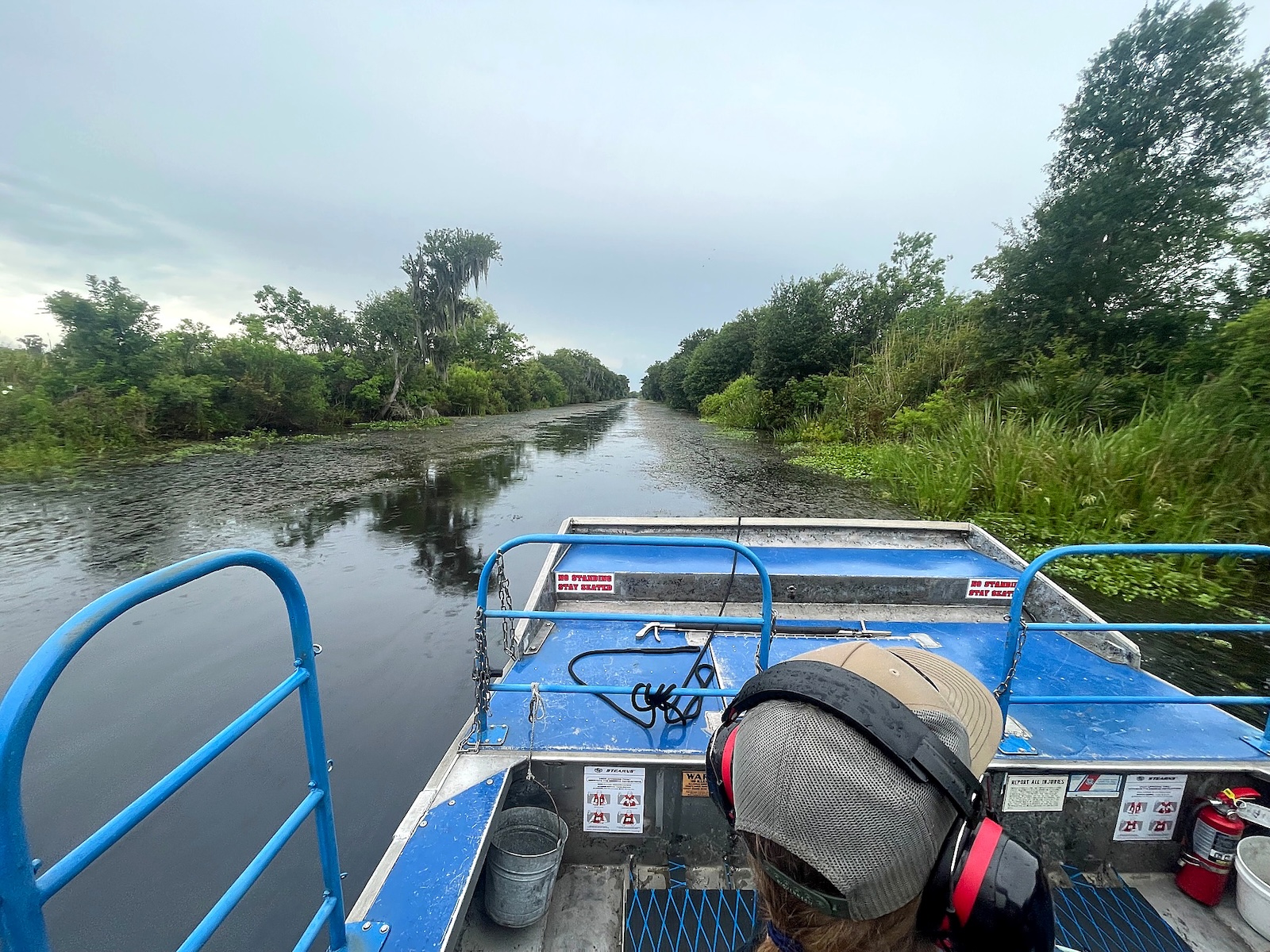
Matherne, a semi-retired tour guide, used to speed his airboat across wide, salty waters that dissolved the shore. Today, channels that once held three feet of water measure just three inches, filled with rich soil and flourishing plant life.
Spanish moss now drapes from sturdy branches, while native birds and fish return to the sheltered shallows. What once looked like an inevitable loss has transformed into a thriving wildlife sanctuary.
This unexpected revival began near Luling, where the Davis Pond Freshwater Diversion funnels Mississippi River water into the basin. Engineers originally opened the gates to manage saltwater levels, but the muddy river delivered a welcome surprise.
The freshwater carried vast amounts of sediment, gradually raising the basin floor and creating brand new earth. Wetland scientists quickly realized that this natural process offers an ideal blueprint for coastal restoration.
Instead of relying solely on heavy machinery, the project lets the river mimic its ancient delta cycle. The Mississippi River deposits sand and rich river silt, just as it did for thousands of years before levees lined its banks.
Louisiana is now investing $340 million across targeted diversion projects to scale up this nature-led solution. The centerpiece is a $334 million restoration of Maurepas Swamp, an enormous wetland roughly the size of Chicago.
Engineers are installing levee gates near Garyville to channel up to 2,000 cubic feet of freshwater per second into the swamp. This controlled flow will push back saltwater intrusion and nourish thousands of acres of historic cypress and tupelo trees.
These strategic river pulses shield inland communities from storm surges while locking in carbon and creating healthy nurseries for marine life. The natural sediment slowly fortifies the coastline, providing lasting protection for local families.
The Bright Side
Nature already holds the exact tools needed to heal itself when given the opportunity. By guiding the Mississippi River back into its ancient rhythm, scientists and communities are transforming environmental loss into fertile, thriving green ground.
With every fresh rush of river water, this vibrant coastline proves that damaged ecosystems can rebuild and flourish anew.
More Images
Based on reporting by Grist
Play Today’s BrightWire Positive Mini Crossword & Word Game
Keep your mind sharp with our free 5-minute uplifting daily crossword and positivity word puzzle.
Spread the positivity!
Share this good news with someone who needs it