Low Solar Panels Save Farms $500K While Protecting Chickens
A German company cracked the code on affordable solar farms that actually help agriculture. Their close-to-ground design costs 80% less than traditional systems and gives free-range chickens safe shelter from predators.
Farmers have a new reason to go solar, and it has nothing to do with saving the planet.
German engineering firm BEC Energie Consult just proved that solar panels can pay for themselves while making farms better for animals and crops. Their secret? Mount the panels low to the ground instead of high in the air.
Traditional elevated solar systems cost farms a fortune. A typical 5 MW project needs $900,000 just for the mounting structures at four meters high. BEC's ground-level design accomplishes the same thing for $200,000.
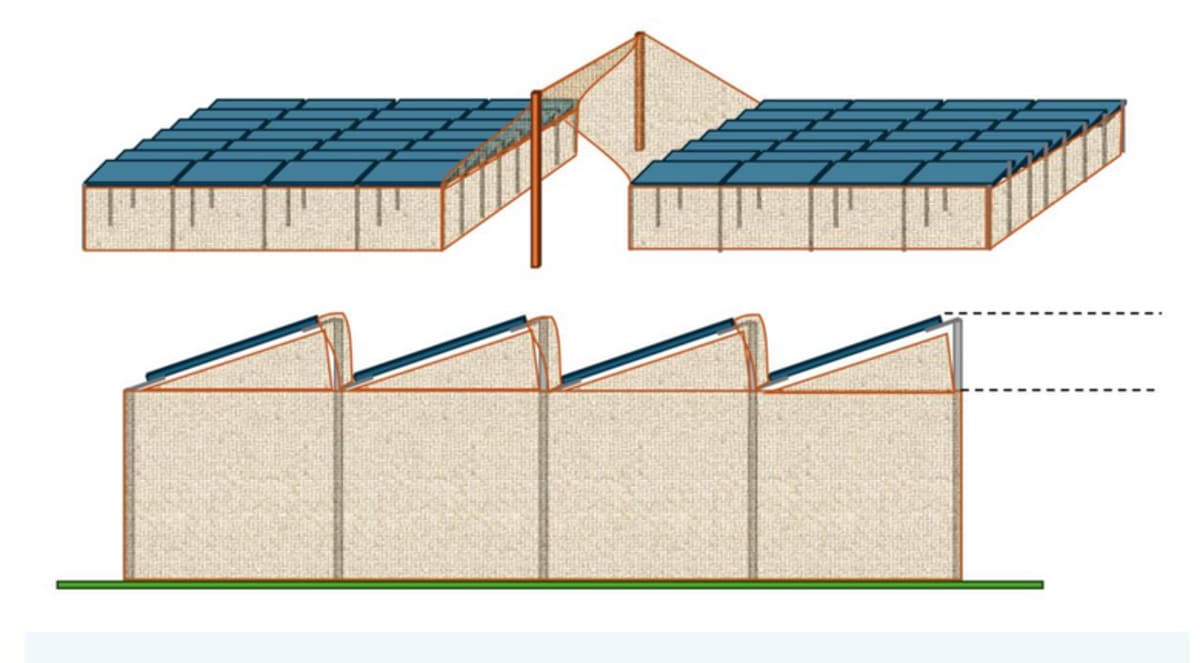
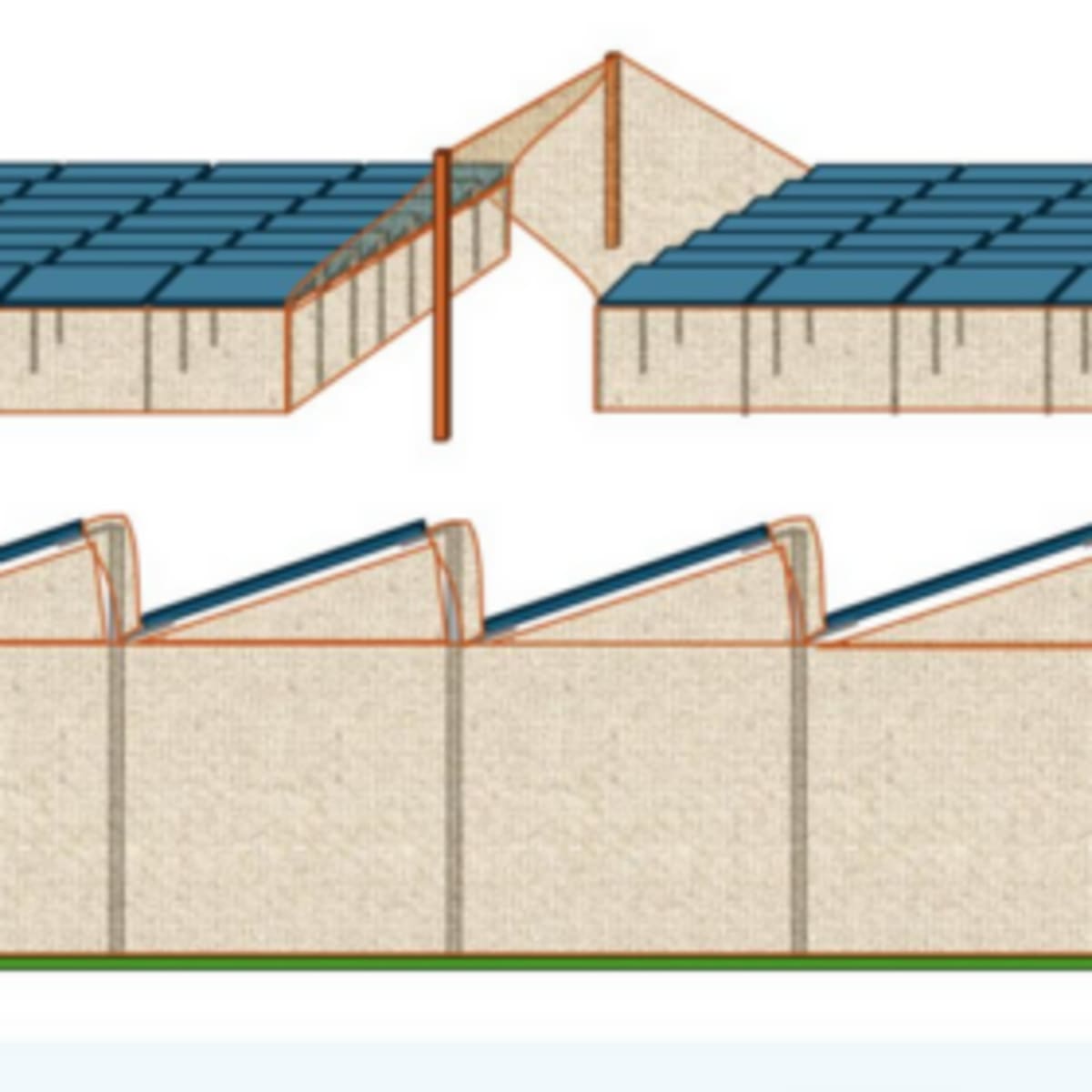
"These systems differ fundamentally in their design, cost structure, and integration into agricultural operations," says Peter-Ludwig Gutberlet, the company's project manager. The panels sit just 1.1 to 1.5 meters above crops and pastures, supported by simple coated steel bars.
The genius lies in the spacing. Fifteen centimeters between panels horizontally and ten centimeters vertically lets rainwater drip evenly across the ground below. Sunlight filters through the gaps, creating ideal growing conditions underneath.
For chicken farmers, the benefits go beyond electricity bills. Free-range chickens usually huddle near barns because they fear hawks and other predators from above. This bunching damages vegetation and spreads disease.
The low solar panels act like protective roofing. Chickens venture further across the land, eating a more diverse diet of grasses, herbs, and insects. The dense steel bars block predators while creating shaded microclimates that help plants recover.
Early results suggest the varied diet even improves egg and meat quality. Farmers earn money from the solar panels, lose fewer birds to predators, and potentially command premium prices for their products.
The Ripple Effect
One recent 3.5 MW installation shows how quickly this solution scales. The project covers 4.33 hectares and cost just $140,000 for structural mounting. According to the developer, it can compete in Germany's energy market without needing government subsidies.
That economic viability changes everything. Previous agrivoltaic systems needed financial support to survive, making them politically vulnerable and hard to expand. When solar installations pay for themselves while improving farm operations, adoption becomes a business decision rather than an environmental statement.
The flexible design adapts to different farming needs. Operators can leave pathways for mobile chicken coops or adjust panel density based on crop requirements. Land becomes more productive, not less, when solar arrives.
BEC's approach addresses the core criticism of agricultural solar: that it forces an expensive choice between food production and energy generation. The company proved farms can do both profitably, turning solar panels from competitors into partners.
For an industry that's struggled to balance renewable energy with food security, finding a design that strengthens both feels like discovering gold where everyone expected compromise.
More Images
Based on reporting by PV Magazine
This story was written by BrightWire based on verified news reports.
Spread the positivity!
Share this good news with someone who needs it