Lower Cancer Drug Doses Could Save $30B Annually
New research shows that cutting doses of top cancer drugs like Keytruda could save $30 billion worldwide while working just as effectively. The finding could expand treatment access by 50 to 60% for patients who desperately need it.
Cancer patients might be getting far more medication than they actually need, and new research suggests fixing this could save billions while helping more people get treatment.
Studies presented at the American Society of Clinical Oncology's annual conference reveal that 21 out of 29 major cancer drugs could work just as well at lower doses or with less frequent treatments. The potential global savings add up to more than $30 billion every year.
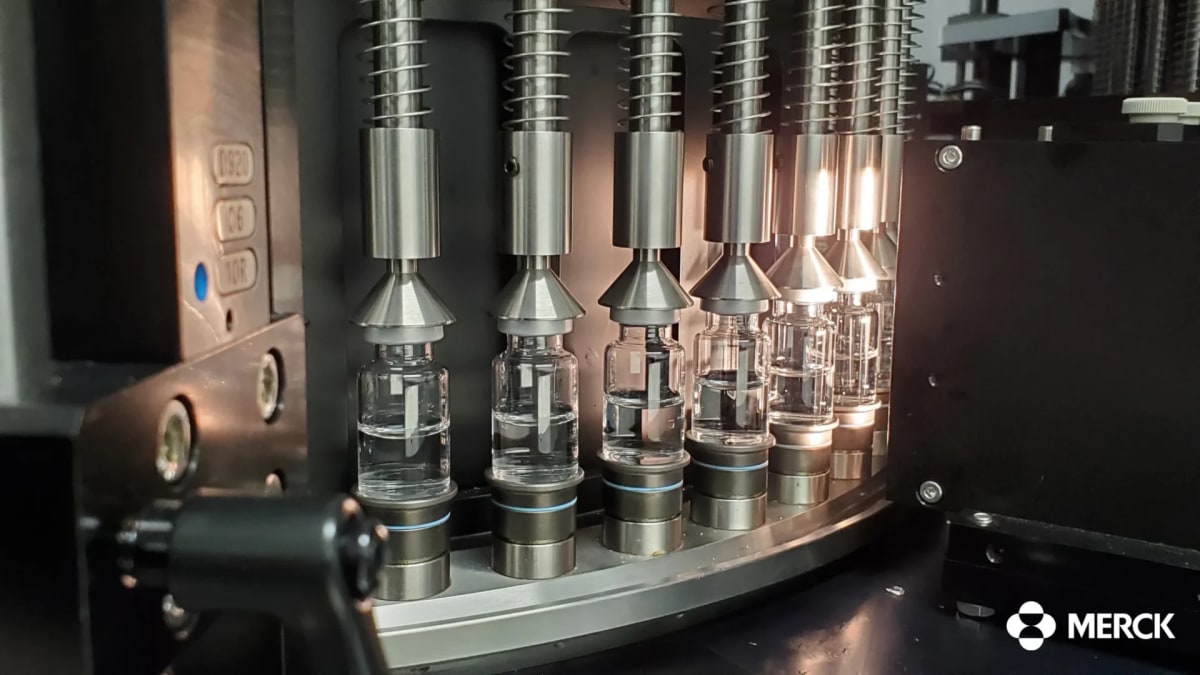
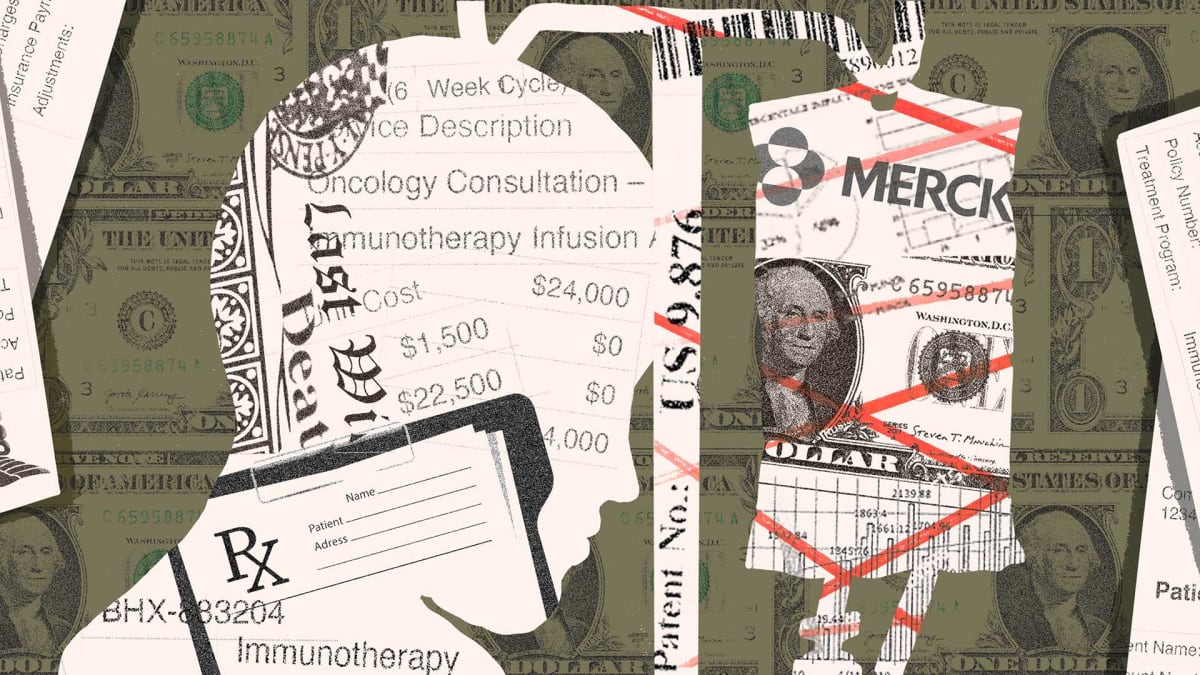
The biggest opportunity centers on Keytruda, the world's bestselling drug that treats various cancers. Researchers estimate that lowering Keytruda's dose alone could save over $14 billion annually worldwide. The drug currently costs $12,000 per dose in the United States.
When Keytruda first received FDA approval in 2014, doctors prescribed it based on each patient's body weight. Manufacturer Merck later switched to a fixed dose of 200 mg every three weeks or 400 mg every six weeks for everyone, regardless of their size. That change significantly increased how much medication patients receive.
Dr. Kumar Prabhash, an oncologist at Tata Memorial Hospital in Mumbai, explained the real world impact. "By lowering the dose, we can expand access by 50 to 60%," he said. That means thousands more patients could afford life saving treatment.
Researchers at the University of Chicago discovered that many cancer antibody drugs stay in the body much longer than necessary. Patients could take treatment less often while maintaining enough medication in their system to fight cancer effectively. The analysis suggests savings between $40,000 to $240,000 per patient each year.
The Ripple Effect
The research comes at a crucial time as cancer rates continue rising globally and treatment costs put care out of reach for millions. High prices have created vast disparities in who can access these life extending medications.
Other major cancer drugs also showed promise for dose reduction. Avastin and Tecentriq together could save $6.63 billion worldwide annually, while Opdivo could yield another $2.7 billion in global savings.
The U.S. Department of Health and Human Services responded positively to the findings. Emily G. Hilliard, the agency's senior press secretary, confirmed that the FDA "will continue to work with oncologic drug developers to determine the appropriate dosages that are safe and effective for patients."
She added that the National Cancer Institute supports reducing cancer treatment when evidence shows lower doses work safely. "Receiving less treatment while maintaining efficacy can improve a patient's quality of life, lower costs, require fewer clinic visits, and reduce treatment related toxicity," Hilliard said.
While Merck maintains that current FDA approved doses are based on extensive clinical evidence, the conversation about optimizing cancer drug dosing is gaining momentum. Researchers plan to extend their analysis to dozens more cancer medications.
For patients worldwide struggling to afford treatment, this research offers genuine hope that effective cancer care could become accessible to many more people who need it.
More Images

Based on reporting by Google News - New Treatment
This story was written by BrightWire based on verified news reports.
Spread the positivity!
Share this good news with someone who needs it