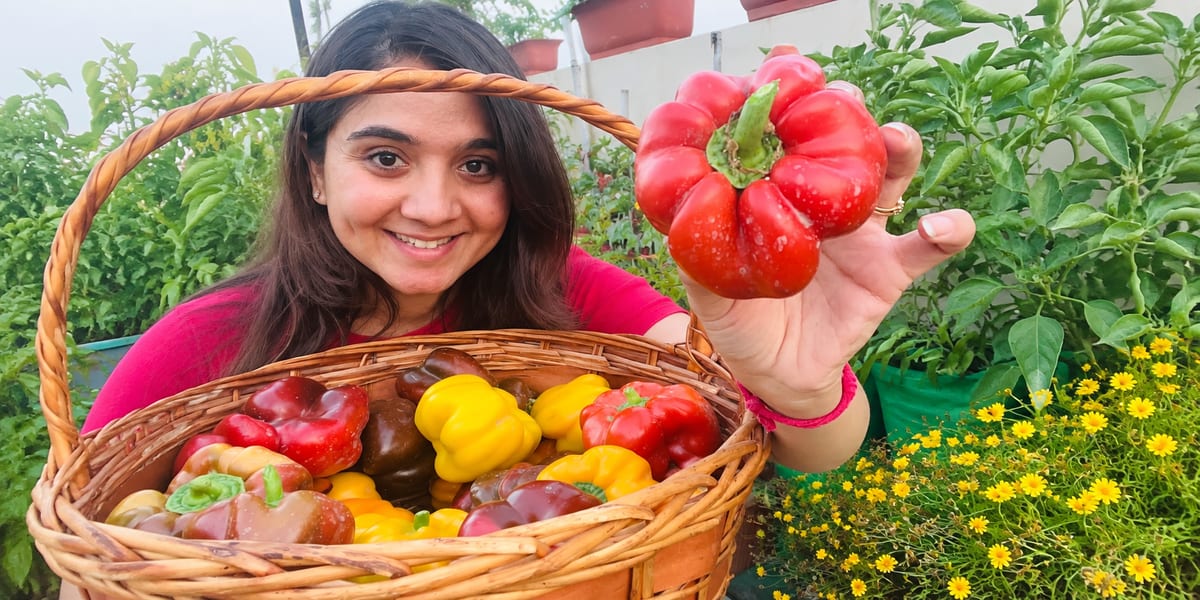
Ludhiana Gardener's Rain Lilies Bloom Year After Year
A simple planting technique helps rain lily bulbs return with fresh flowers every monsoon without replanting. Gardener Poonam from Ludhiana shares the soil mix and watering routine that keeps these hardy bulbs thriving season after season.
Some gardening wins happen just once, but the best ones keep giving year after year without extra work.
Poonam, a gardener and consultant from Ludhiana, Punjab, has cracked the code for growing rain lilies that reliably bloom every monsoon. These compact flowering plants stay dormant during hot months, then burst into color when the rains arrive. The best part? Plant them once, and they keep coming back.
Rain lilies earned their name by flowering after rainfall. Unlike annuals that need replanting each season, these bulbs remain in the soil year round and produce fresh growth when conditions turn favorable. For gardeners tired of starting over every season, that makes them a practical choice.
Poonam has spent years building her collection by swapping bulbs with fellow enthusiasts. She shares growing tips through her Instagram page Gardenflavours, helping others succeed with these low-maintenance plants. Recently, she demonstrated her planting method using spotted blue rain lily bulbs.
Her soil mix combines 50 percent garden soil, 30 percent sand, and 20 percent vermicompost and bone meal. The sand creates drainage that prevents bulbs from rotting, while the organic matter provides nutrients. Rain lily bulbs hate sitting in water, so this balance matters.
Planting depth makes a difference too. Poonam looks for the small pointed shoot on each bulb and positions it facing upward, just above the soil surface. This lets new growth emerge easily without pushing through too much soil.
Watering requires a light touch. The soil should stay lightly moist rather than wet, especially while bulbs establish themselves. During monsoon season, rainfall usually handles this naturally. Extra watering only becomes necessary if the soil dries out completely.
The Ripple Effect
Once established, rain lily bulbs need almost no attention. They stay in place through dry weather, then send up fresh leaves and flowers when rains return. Many gardeners notice their clumps produce more blooms each successive year as the bulbs multiply underground.
Poonam's approach also reduces garden waste. Because the same bulbs flower repeatedly, there's no need to buy new plants or dispose of spent annuals each season. The bulbs naturally divide over time, creating extras to share with friends or expand into new garden areas.
Her method works in containers or garden beds. The small space requirements make rain lilies ideal for balcony gardeners or anyone with limited planting areas. They ask for little but deliver reliably when the weather shifts.
This monsoon season brings another chance to start a planting tradition that lasts for years, not months.
More Images
%2Fenglish-betterindia%2Fmedia%2Fmedia_files%2F2026%2F08%2F04%2Frain-lily-bulbs-2026-08-04-17-43-16.png)
%2Ffilters%3Aformat(webp)%2Fenglish-betterindia%2Fmedia%2Fmedia_files%2F2026%2F08%2F04%2Frain-lily-bulbs-2026-08-04-17-51-08.png)
%2Fenglish-betterindia%2Fmedia%2Fmedia_files%2F2026%2F07%2F31%2Fbudget-friendly-indoor-plants-2026-07-31-18-20-35.png)
Based on reporting by The Better India
This story was written by BrightWire based on verified news reports.
Spread the positivity!
Share this good news with someone who needs it