Maasai Landowners Save Kenya's Last 30 Giant Pangolins
When electric fences killed 14 of Kenya's last 30 giant pangolins, Maasai landowners found a simple fix. They're switching off the lowest wires on 83 miles of fencing to create safe passages for the endangered animals.
Electric fences were supposed to protect livestock and crops, but they were quietly driving Kenya's rarest pangolins toward extinction.
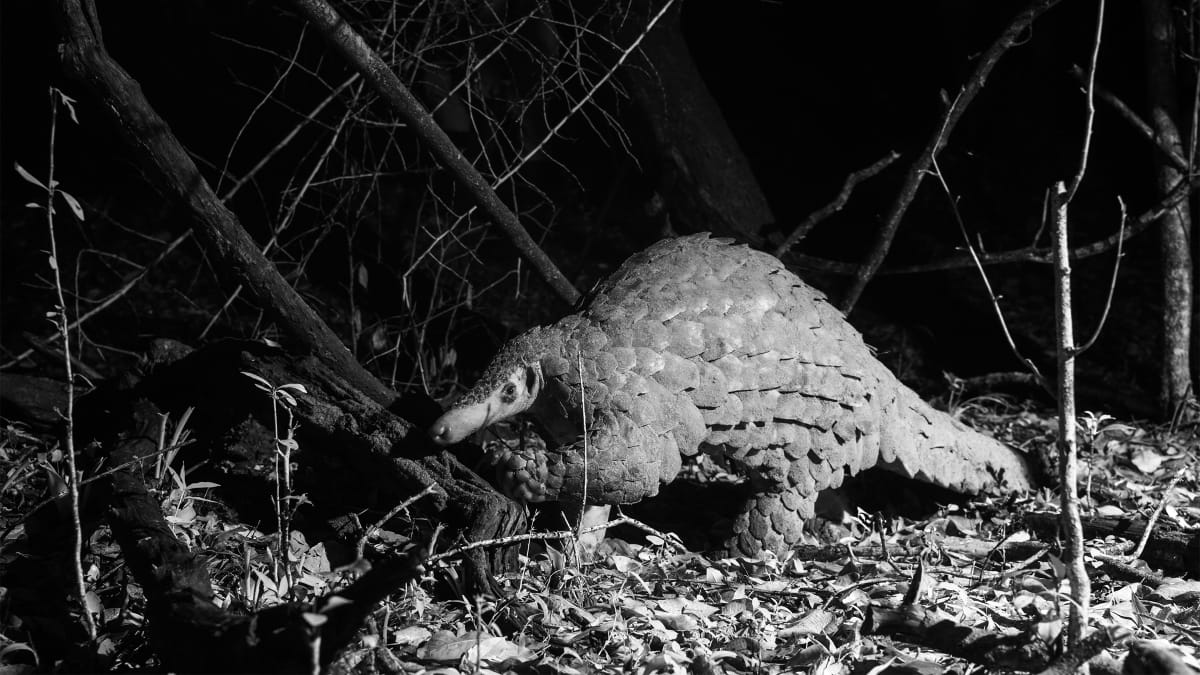
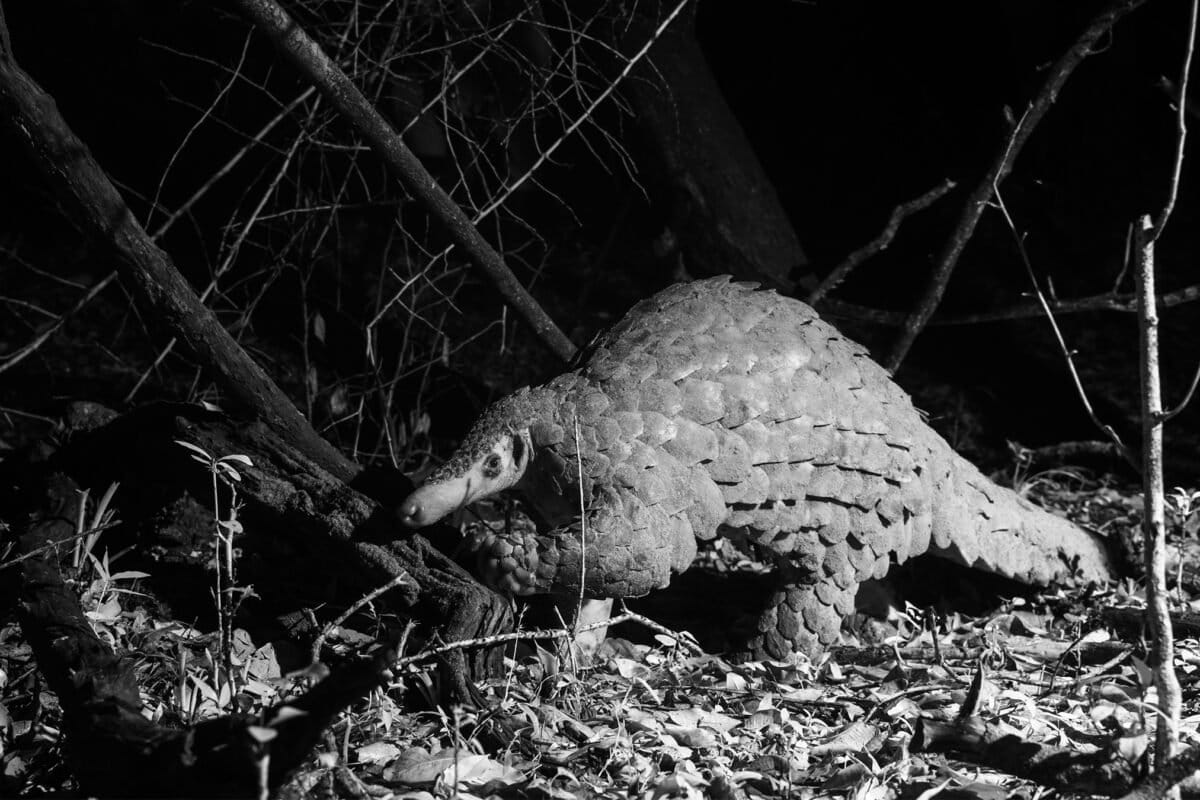
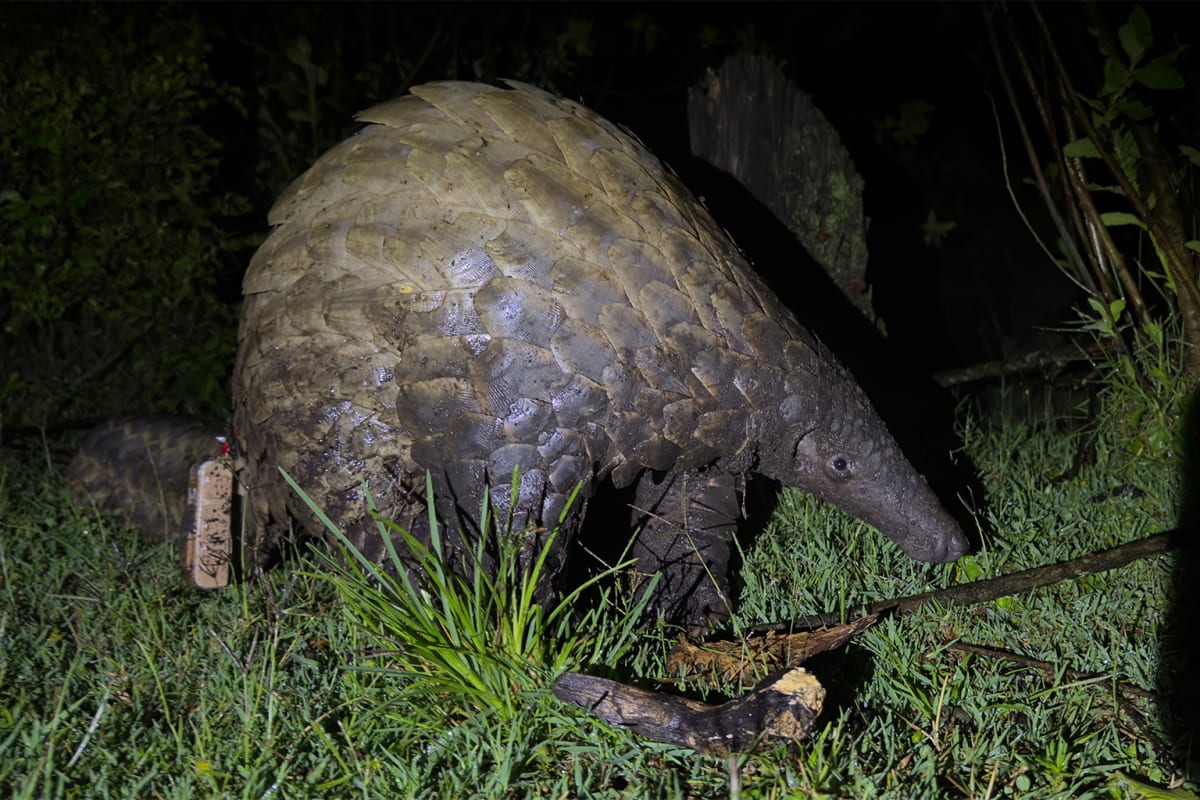
Since 2022, researchers found 15 dead giant ground pangolins near Nyekweri Forest on the edge of Maasai Mara National Reserve. Fourteen were killed by electrified fences that now crisscross what was once open wildlife habitat.
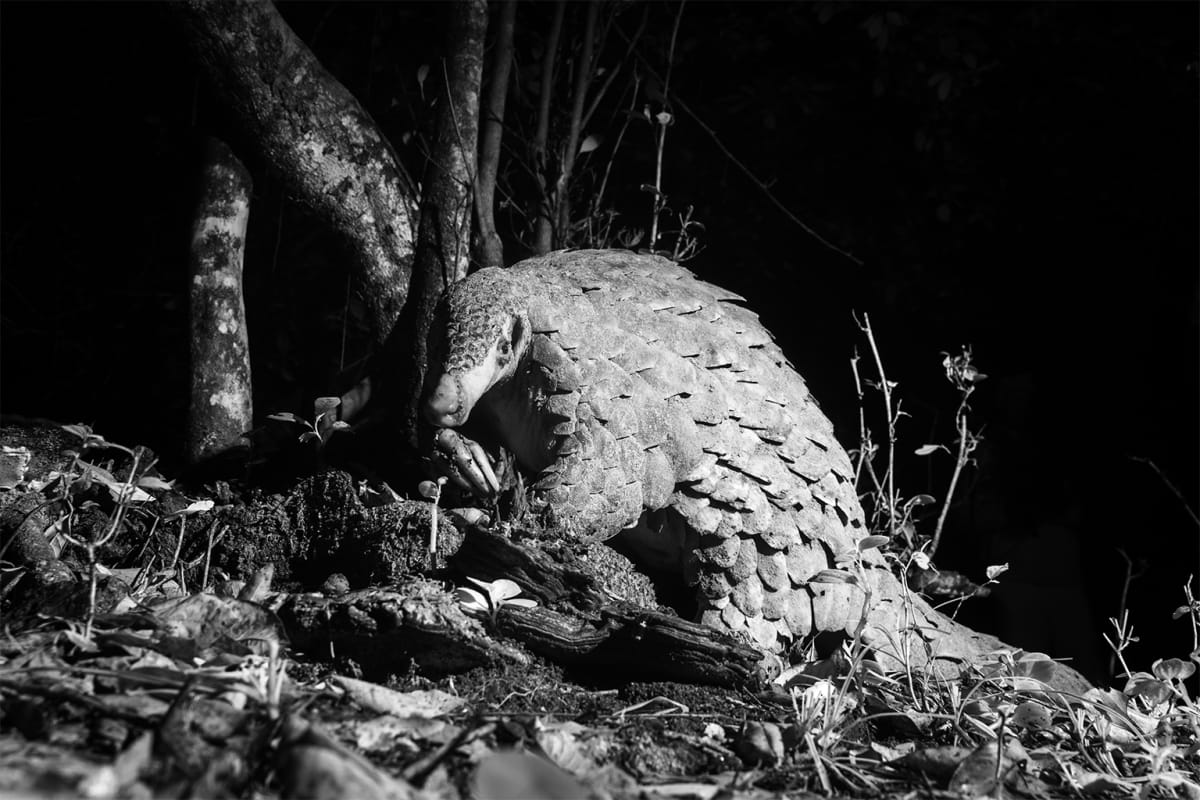
With fewer than 30 of these armored giants left in all of Kenya, every loss threatens the species' survival. These pangolins give birth to just one baby at a time, making each death impossible to quickly replace.
Naserian, a female pangolin tracked by The Pangolin Project, navigated the changing landscape for two years. Researchers watched her GPS signal each night as she moved between forest and farmland, threading through a patchwork of privately owned land until one night the signal stopped beneath an electrified fence.
Her death sparked an unexpected solution. Instead of removing fences entirely, local Maasai landowners volunteered a simpler fix: turn off the electricity on the lowest wire strands.
The modification creates narrow gaps that let pangolins safely pass underneath while still protecting livestock and keeping larger wildlife at bay. So far, community members have made 134 kilometers (83 miles) of fencing safer for pangolins to cross.
"People often assume poaching is the greatest danger facing pangolins," said Michael Koskei, conservation manager at The Pangolin Project. "Right now, these fences are killing pangolins faster than traffickers are taking them."
Peter Ole Tompoy, 73, has lived in Nyekweri his entire life. He remembers when wildlife moved freely across communal Maasai land without obstruction. After recent land subdivisions, he's watched fences carve the landscape into isolated fragments, breaking ancient wildlife corridors.
The Ripple Effect
The community response shows how small adjustments can create big change. Landowners aren't sacrificing their livelihoods or removing necessary protections. They're simply raising the bottom wire high enough for a pangolin to walk beneath.
This grassroots effort is protecting the world's most trafficked mammal without international funding or government mandates. Neighbors are talking to neighbors, spreading the solution property by property across the Maasai rangelands.
The modified fences prove that wildlife and farming communities can coexist when people understand the stakes. Each switched-off wire strand is a vote for survival from the people who know this land best.
Giant ground pangolins still face serious threats from habitat loss and continued land subdivision, but the fencing solution bought them precious time. In conservation, sometimes the simplest answers come from the people living closest to the problem.
More Images

Based on reporting by Mongabay
This story was written by BrightWire based on verified news reports.
Spread the positivity!
Share this good news with someone who needs it