%2Ffile%2Fattachments%2Forphans%2FRovingRep-Madagascar-stormsMAIN_652963.jpg)
Madagascar Saves World's Rarest Duck From Extinction
When Lake Sofia drained in 2024, the Madagascar pochard—once declared extinct—faced disaster again. Communities rebuilt the lake and brought the world's rarest duck back from the brink.
The world's rarest duck was swimming toward extinction for the second time, and a disappearing lake was to blame.
In February 2024, heavy storms tore through Lake Sofia in Madagascar, creating a breach that drained the water in weeks. The Madagascar pochard, a critically endangered duck rediscovered in 2006 after being declared extinct in the 1990s, suddenly had nowhere to live.
Felix Razafindrajao had spent two decades helping restore the species. He watched the crisis unfold with growing concern.
But instead of giving up, Felix turned to the people who knew the lake best. Local communities and authorities gathered to decide the lake's future together.
The solution was clear: build a dam to refill the lake during rainy season. With support from Oppenheimer Generations Research and Conservation, the community made it happen.
Today, the dam has restored Lake Sofia close to its previous depth. Fish populations have bounced back, and the Madagascar pochard population has grown to the hundreds.
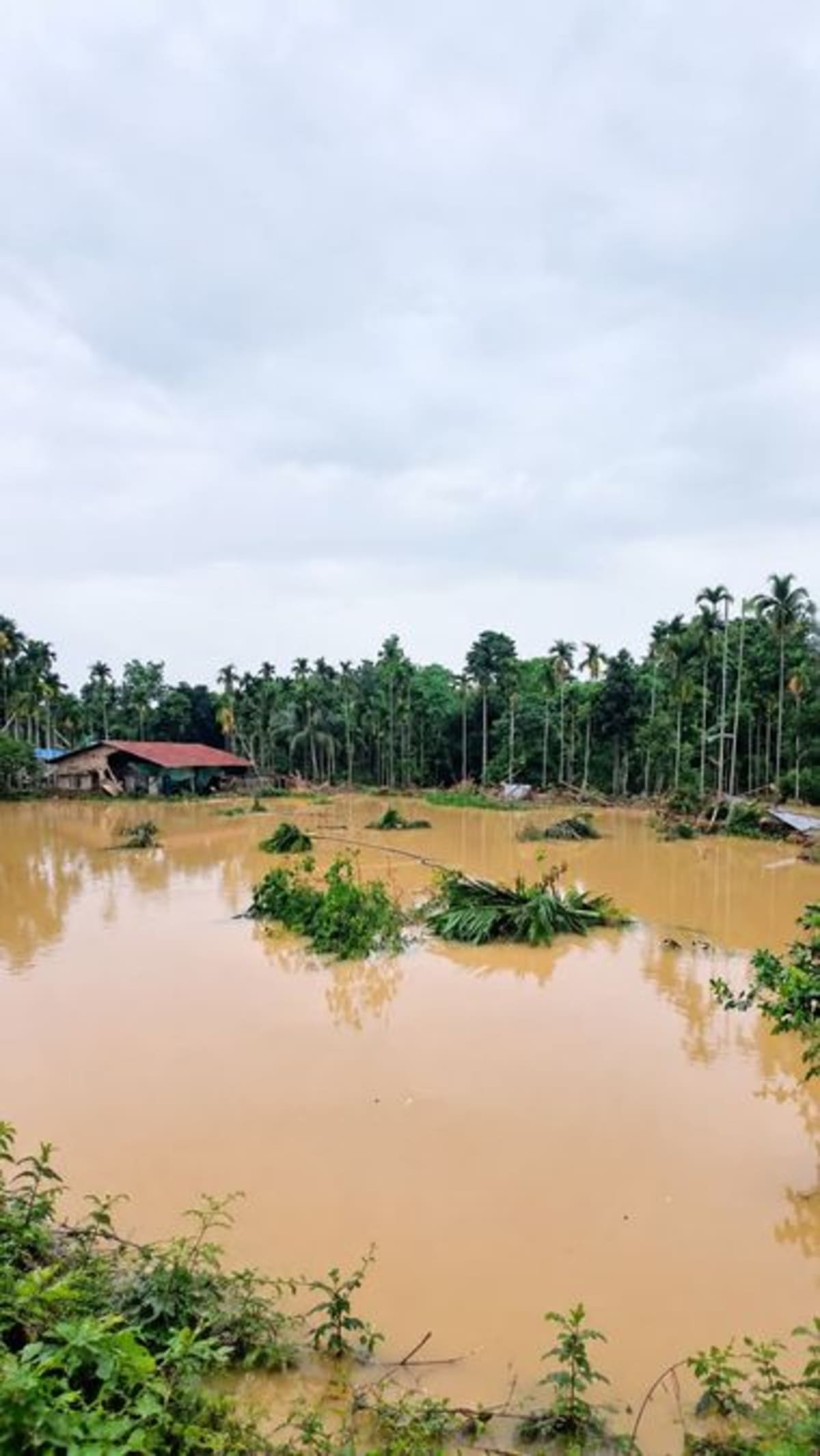
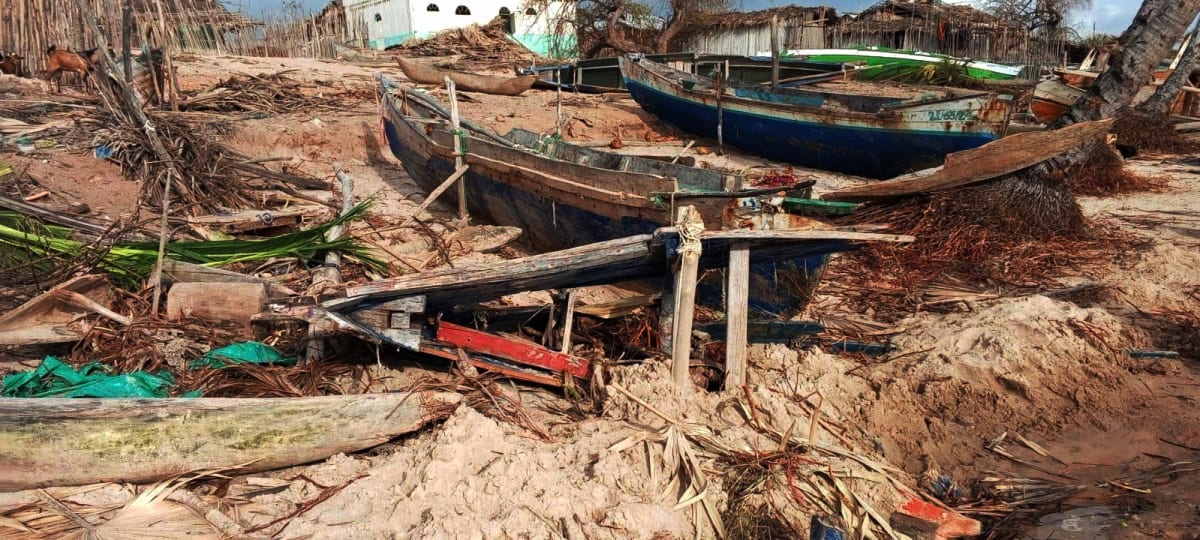
The victory came just as Madagascar faced another challenge. In February 2026, Cyclones Fytia and Gezani struck within 10 days of each other, affecting over 424,000 people and damaging fragile ecosystems across the island.
At Baly Bay in northwest Madagascar, the Durrell Wildlife Conservation Trust protects critically endangered ploughshare tortoises. Aaron Hawkins, the country director, lost all communication after the storms hit an area that rarely experiences cyclones.
When contact was restored, all staff and animals were safe. But homes, property, and infrastructure had been destroyed across 2,000 households.
Recovery moved fast. Communities rebuilt boats and houses while planting fast-growing vegetable gardens for immediate income. Conservation work continued despite roads becoming impassable and supplies taking days to arrive.
The Ripple Effect
The Madagascar pochard's rescue shows what happens when conservation experts trust local communities to lead. When the lake drained, Felix didn't arrive with a predetermined solution. He asked communities what they wanted to do.
That partnership transformed everything. Communities who knew nothing about biodiversity conservation in 2015 are now protecting the lake and its rarest resident. The approach worked so well that when cyclones struck elsewhere, the same model helped communities rebuild their lives and ecosystems together.
Madagascar faces real challenges from intensifying storms and ecosystem pressure. But the island is also becoming a laboratory for community-led climate adaptation that protects both people and endangered species.
More Images
%2Ffile%2Fattachments%2Forphans%2FRovingRep-Madagascar-storms2_159024.jpg)
%2Ffile%2Fattachments%2Forphans%2FRovingRep-Madagascar-storms1_821786.jpg)
%2Ffile%2Fattachments%2Forphans%2FRovingRep-Madagascar-storms3_251666.jpg)
Based on reporting by Daily Maverick
This story was written by BrightWire based on verified news reports.
Spread the positivity!
Share this good news with someone who needs it