Madagascar Spider Spins Silk 10X Stronger Than Steel
A coin-sized spider in Madagascar weaves webs 80 feet across rivers using silk that outperforms steel and Kevlar. Scientists are racing to understand how this tiny creature creates one of nature's toughest materials. #
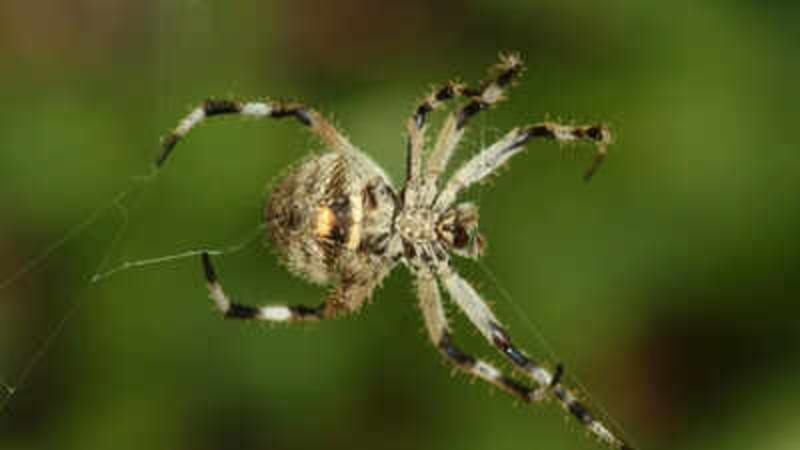
Deep in Madagascar's rainforests, a spider no bigger than a coin is rewriting what scientists thought possible about strength and engineering.
Darwin's bark spider builds webs that stretch more than 80 feet across flowing rivers, anchoring silk threads from tree to tree on opposite banks. But the real marvel isn't the size. It's what the silk can do.
Tests reveal the spider's silk is roughly 10 times stronger than steel of the same thickness. What makes it even more remarkable is how it combines strength with flexibility, stretching twice as far as silk from other orb-weaving spiders before breaking.
Researcher Jessica Garb from the University of Massachusetts Lowell reports the material is "10 times better than Kevlar," the fiber used in bulletproof vests. Unlike rigid materials that snap under pressure, this silk absorbs enormous amounts of energy, making it tougher than most synthetic fibers in body armor.
Scientists Igni Agnarsson and Matjaž Kuntner first discovered these extraordinary webs back in 2008. Some webs stretch over 30 square meters, creating nets that can catch dozens of insects in a single span.
The spider itself measures barely an inch across. Yet it accomplishes what seems impossible for its size, engineering structures that would challenge human architects using only what its body produces.
THE BRIGHT SIDE
Researchers still don't fully understand why this particular spider's silk outperforms everything else in nature. Madagascar's isolated ecosystem has produced countless unique species, but Darwin's bark spider stands out for pure problem-solving ability.
The discovery opens doors for breakthrough materials in medicine, construction, and protective gear. If scientists can decode how this tiny spider creates such resilient fibers, it could revolutionize how we build everything from surgical sutures to sustainable textiles.
Nature continues to surprise us with solutions we never imagined, hidden in the smallest creatures doing what they've done for millions of years.
#
More Images



Based on reporting by Times of India - Good News
This story was written by BrightWire based on verified news reports.
Spread the positivity!
Share this good news with someone who needs it