Magic Mushrooms Briefly Restored 80-Year-Old's Memory
An 80-year-old woman with advanced Alzheimer's disease began speaking, walking, and recognizing family members again after receiving psilocybin mushrooms. While scientists urge caution about this single case, it's opening new questions about hidden potential in damaged brains.
A Japanese-American woman in her 80s stunned her caregivers when she suddenly started talking in full sentences and recalling her own life story after a decade of decline from Alzheimer's disease.
For five years, she had communicated mostly in single words. She needed constant help with walking, dressing, and daily care.
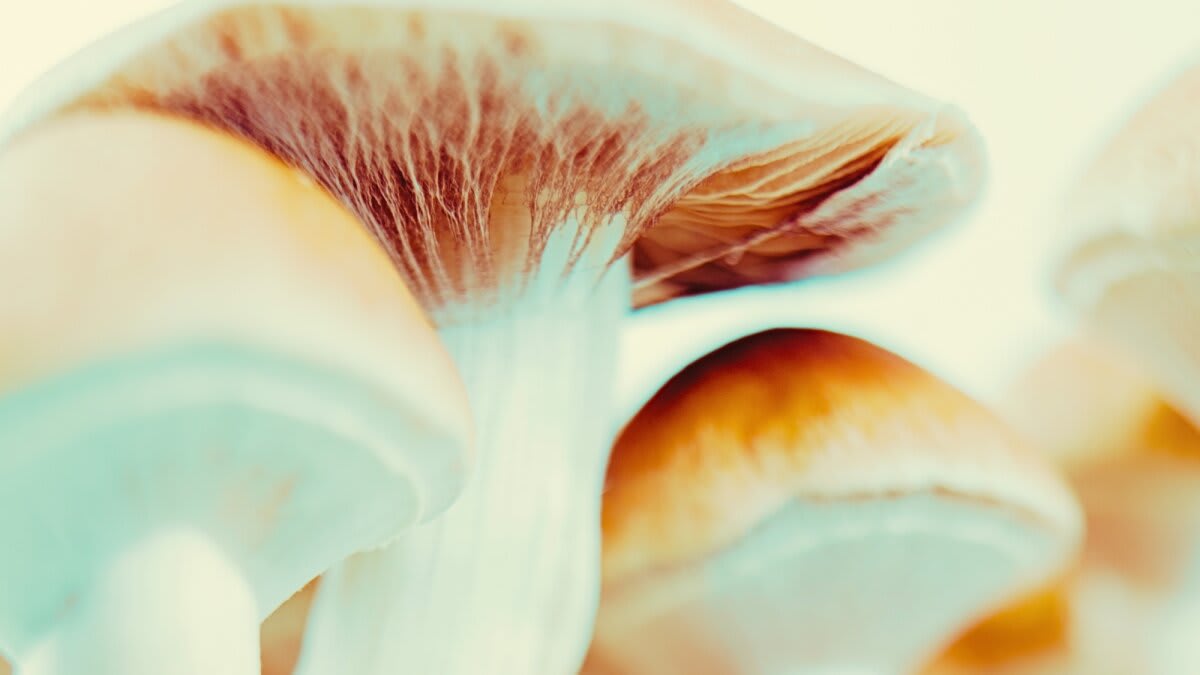
After receiving 5 grams of psilocybin-containing mushrooms under supervision, she entered a deep sleep for 19 hours. When she woke up, everything changed.
She recognized family members by name. She walked more independently and began dressing herself. She regained bladder control and seemed genuinely alert for the first time in years.
A month later, she received a second smaller dose and again became more expressive and mobile. Her caregivers described improvements that seemed almost impossible given her advanced disease.
Scientists are quick to point out this isn't proof that psychedelics cure Alzheimer's. The report involved just one person with no brain scans, no control group, and no standardized testing before and after.
Her diagnosis was based on symptoms rather than confirmed through biomarkers. The observations came mainly from family reports rather than clinical measurements.
Why This Inspires
What makes this case fascinating isn't just what happened, but what it suggests about the brain's hidden reserves.
For most of the 20th century, scientists believed adult brains were relatively fixed. Now we know the brain can reorganize itself throughout life through a process called neuroplasticity.
Psilocybin works mainly through serotonin receptors and may temporarily change how brain networks communicate with each other. Animal studies suggest it can encourage new connections between nerve cells.
The improvements were likely temporary rather than permanent. Psilocybin probably didn't reverse the underlying disease processes like abnormal proteins and inflammation that define Alzheimer's.
Instead, researchers think it may have briefly made some abilities more accessible by altering communication between surviving brain regions. Think of it like finding a new route through a damaged road network.
The case has drawn comparisons to neurologist Oliver Sacks's 1973 book Awakenings, where Parkinson's patients unexpectedly regained lost abilities with a different drug. Both stories raise the same profound question: how much function remains hidden in a damaged brain?
Researchers at UC Berkeley are now studying how psilocybin affects healthy adults aged 60 to 85, using brain scans and memory tests. They're not testing it as a dementia treatment yet.
Important safety concerns remain. Psychedelic experiences can be frightening and disorienting, especially for vulnerable older adults who face increased risks of falls and heart problems.
But this single remarkable case has given scientists a new reason to explore whether psychedelics might one day help unlock abilities that disease has locked away.
More Images


Based on reporting by New Atlas
This story was written by BrightWire based on verified news reports.
Spread the positivity!
Share this good news with someone who needs it