Maharashtra Protects Delivery Drivers With New Welfare Rules
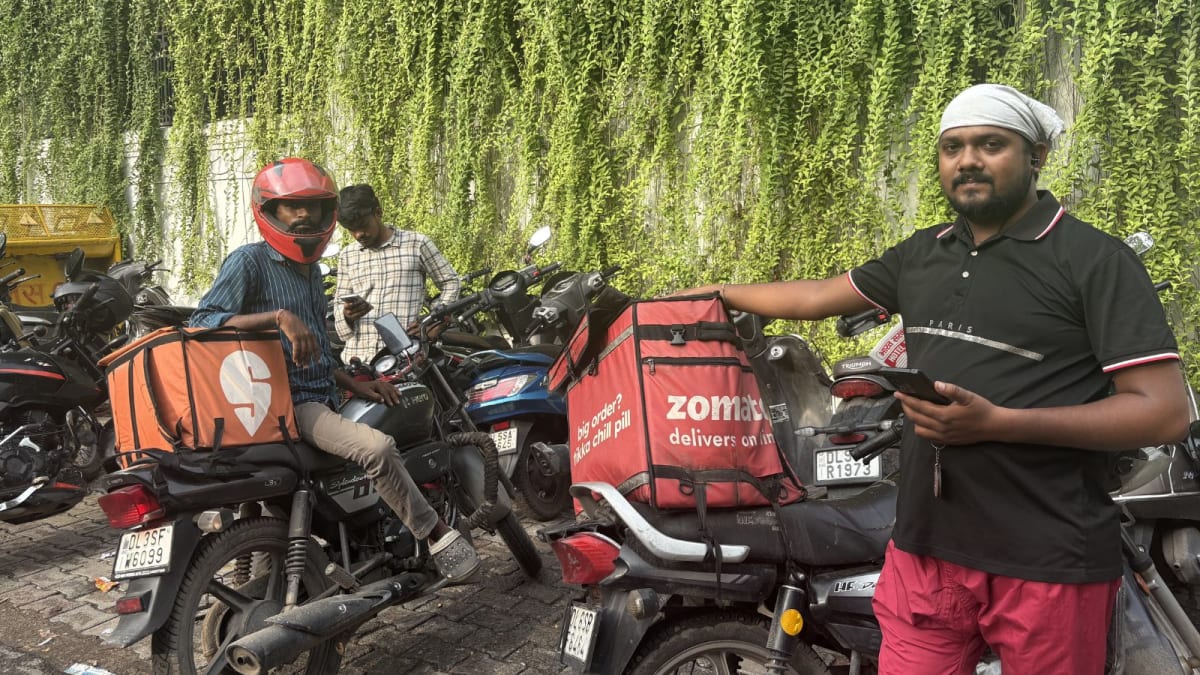
Millions of food delivery workers in India could soon get pension benefits, accident insurance, and education help for their kids. Maharashtra is requiring platforms like Swiggy and Zomato to contribute 2% of every fare to a driver welfare fund.
The people who bring your dinner through rain and traffic could soon have something millions of gig workers have been missing: real protection and benefits.
Maharashtra is pioneering new regulations that would require food delivery and e-commerce platforms to operate electric vehicle fleets and contribute to a dedicated welfare fund for drivers. Transport Minister Pratap Sarnaik confirmed the proposed amendments would bring Swiggy, Zomato, Blinkit, and Zepto under the same regulatory framework that currently governs ride-hailing apps.
The changes center on a simple but powerful requirement. Platforms must contribute 2% of every fare to a driver welfare fund supporting pension benefits, accident insurance, loans for purchasing electric vehicles, and education assistance for workers' children.
Currently, these platforms operate under national consumer protection laws but lack state-level oversight specific to delivery services. The new rules would change that, requiring GPS tracking for safety, insurance coverage, and adherence to fare regulations set by the Regional Transport Authority.
Each platform would need to obtain a unique license identification number and submit to monitoring through a dedicated state portal. The rules apply to bikes traveling under 15 kilometers, capturing the vast majority of quick-commerce and food delivery trips.
The Ripple Effect
Beyond Maharashtra, this regulatory approach is spreading across India. Delhi and Haryana have already mandated gradual electrification of delivery fleets, though Maharashtra's welfare fund provisions go further in protecting workers.
The amendments currently sit with the State Law and Judiciary department for review. Transport officials say the move addresses a critical gap where millions work without the safety net most employees take for granted.
Minister Sarnaik announced that drivers will also need domicile certificates and government-issued public service vehicle badges, aimed at creating local employment opportunities. The electric vehicle requirement aligns with India's broader push toward sustainable transportation while creating cleaner air in congested urban areas.
For the estimated millions of delivery workers across Maharashtra's cities, these protections could mean the difference between precarious gig work and sustainable livelihoods. Their children might attend better schools, their families would have insurance coverage, and retirement wouldn't mean destitution.
A state official speaking anonymously noted the current difficulty in monitoring platform activities or resolving disputes without proper regulatory oversight. These amendments would finally give workers somewhere to turn when problems arise.
The regulations represent a growing recognition worldwide that gig economy workers deserve protections similar to traditional employees, even while maintaining the flexibility that makes these jobs attractive to many.
Based on reporting by Indian Express
This story was written by BrightWire based on verified news reports.
Spread the positivity!
Share this good news with someone who needs it