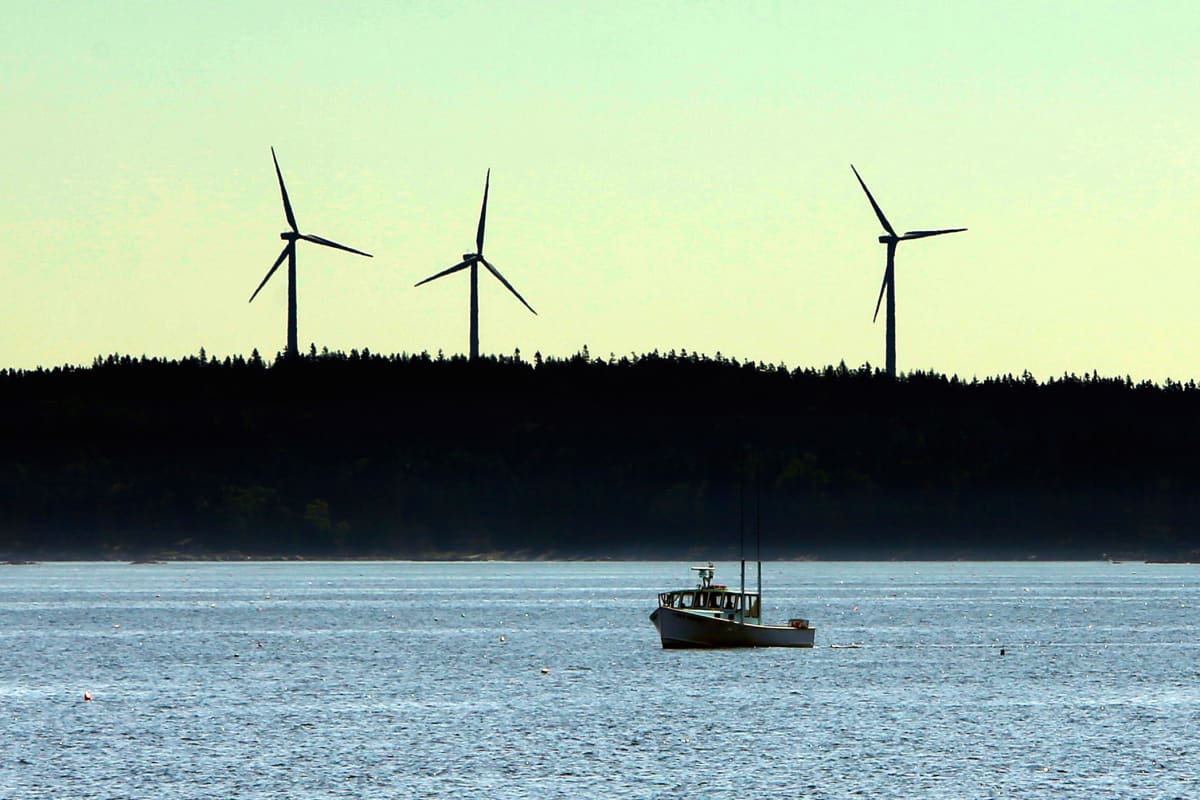
Maine Approves 800 MW Wind Farm to Power 300K Homes
Five New England states just teamed up to bring 800 megawatts of clean wind energy to the region, enough to power over 300,000 homes. The ambitious project promises stable prices, reliable winter power, and economic benefits while cutting emissions.
Maine just took a giant leap toward clean energy, and this time it's partnering with its neighbors to make it happen.
On August 25, Maine's Public Utilities Commission approved plans to build 800 megawatts of new wind energy in Aroostook County, located in the state's blustery northern region. That's enough electricity to keep the lights on in over 300,000 homes.
The commission also selected a developer to build a powerful new transmission line capable of carrying 1,200 megawatts of electricity to southern Maine and neighboring states. Maine will keep 600 megawatts of the first wave of power for its own residents.
What makes this attempt different from previous efforts is the teamwork. Vermont, Rhode Island, Connecticut, and Massachusetts joined Maine in the planning process, and residents in these states will help fund the transmission line through utility bill charges.
"Maine has just said yes to 600 megawatts of clean energy that is at a stable price, that is going to increase reliability and that is going to bring a whole host of economic benefits to Maine people," said Eliza Donoghue, executive director of the Maine Renewable Energy Association.
The timing couldn't be better for New England's grid. Winter months typically strain the region's electricity supply when gas-fired power plants become expensive to run. Wind speeds peak during these same months, making wind energy a perfect complement to existing power sources.
If everything goes according to plan, power will flow across the new transmission line in the early 2030s. The project still needs federal, state, and local approvals before construction can begin.
The Ripple Effect
This collaboration between five states shows how regional teamwork can solve big energy challenges. By pooling resources and sharing infrastructure costs, New England is building a more reliable and affordable power system for millions of people.
The project promises to cut both emissions and electricity costs while creating economic opportunities in northern Maine communities. The stable pricing structure protects residents from the volatile costs of fossil fuel energy.
While some details remain under wraps until contracts are finalized, including the exact transmission route and final pricing, the commission chair defended the careful process as necessary to ensure fair competition and successful negotiations.
The early 2030s will bring cleaner air, more reliable power, and economic benefits to hundreds of thousands of New England families.
Based on reporting by Inside Climate News
This story was written by BrightWire based on verified news reports.
Spread the positivity!
Share this good news with someone who needs it