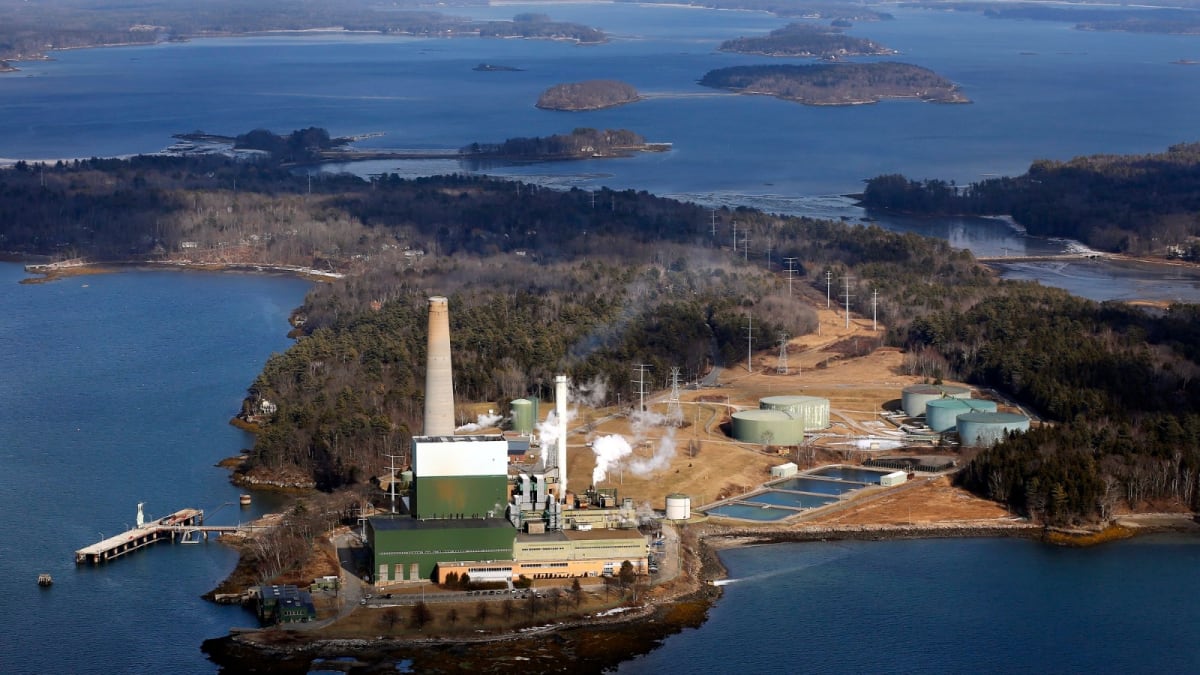
Maine Pauses Big Data Centers to Protect Communities
Maine just became the first state to hit pause on massive data centers, giving communities time to write smart rules before development gets out of hand. It's a model other states are watching closely as citizens push back against energy-hungry tech facilities.
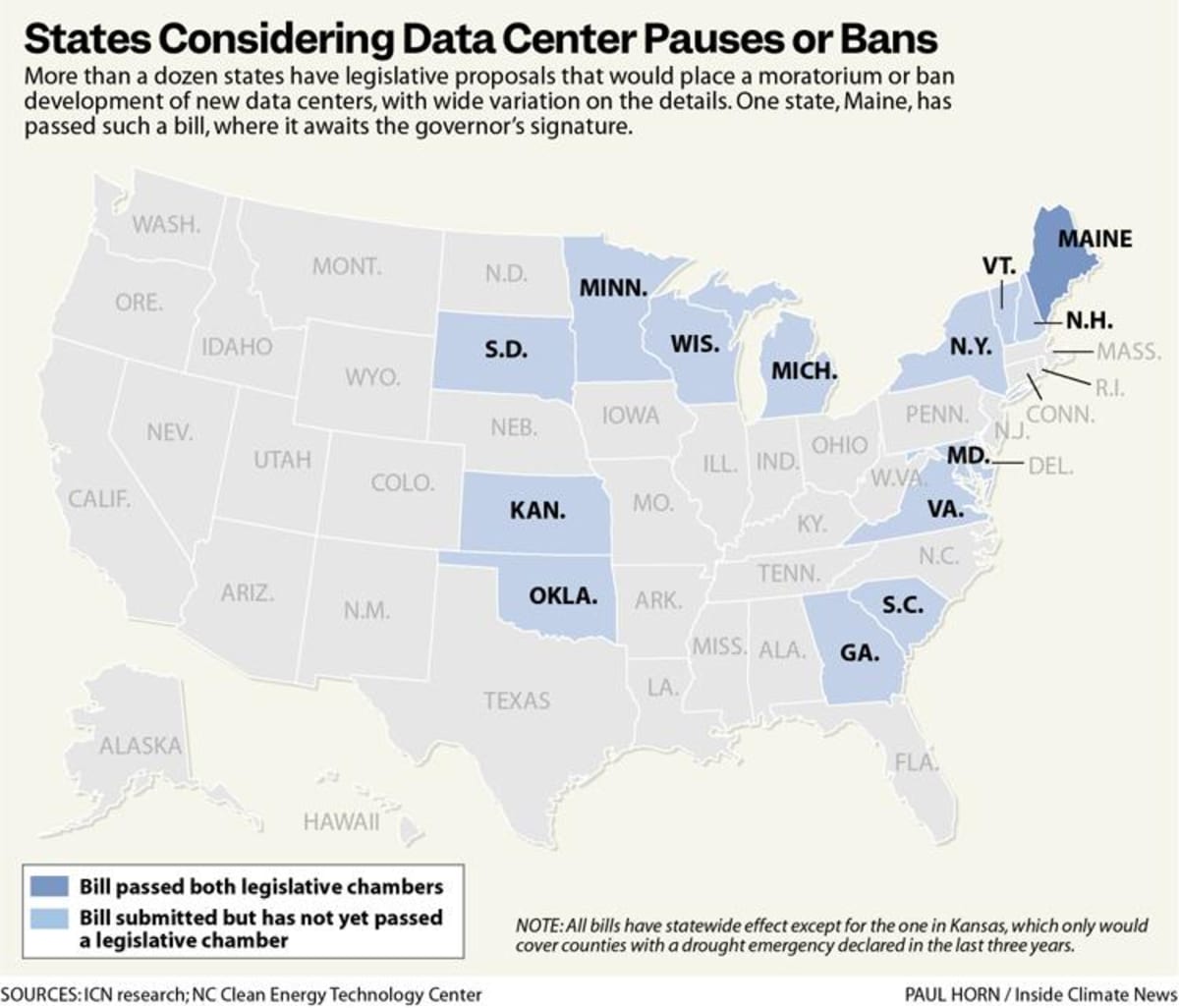
Maine just did something no other state has dared to try. Lawmakers passed a bill putting large data centers on hold until 2027, giving communities breathing room to figure out how to handle these massive energy users before they transform the landscape.
The bill stops any data center needing 20 megawatts or more of electricity from getting approved for the next two and a half years. It now sits on Governor Janet Mills' desk, waiting for her signature.
Representative Melanie Sachs, who led the charge, saw what happened in Virginia and Texas where huge data centers strained power grids and drove up electricity bills. She wanted Maine to learn from their struggles instead of repeating them.
The stakes are real. Data centers across America already use more than 50 gigawatts of electricity, double what the entire six-state New England grid needs at peak times. That number keeps climbing as artificial intelligence demands more computing power.
Maine's approach is practical, not punitive. The pause creates time for a special council to study the issue and recommend policies that protect both communities and the power grid. Towns across Maine have already rejected data center proposals, showing strong local opposition.
The Ripple Effect
Thirteen other states are now watching Maine's move closely. Illinois and Minnesota lawmakers are considering similar protections as citizens in their communities voice the same concerns about energy use, water consumption, and rising utility bills.
Environmental advocate Sarah Woodbury celebrates the precedent Maine is setting. "Voters do not want these facilities in their backyards," she said, noting that every Maine community approached about data centers has pushed back.
The debate isn't purely partisan either. While the bill passed with mostly Democratic support, opposition to specific data center projects has come from across the political spectrum. People care more about protecting their communities than party lines when a massive facility threatens their hometown.
Maine's pause also protects jobs. By taking time to create thoughtful regulations, the state can attract development that truly benefits residents rather than rushing into deals that might burden them with higher electricity costs or strained infrastructure.
The bill gives Maine until October 2027 to get it right, turning what could have been a crisis into an opportunity for smart planning.
More Images


Based on reporting by Grist
This story was written by BrightWire based on verified news reports.
Spread the positivity!
Share this good news with someone who needs it