Maine School Merges Tech Labs with Garden Therapy Spaces
A Maine charter school is proving kids don't have to choose between screens and soil. Their "Innovation Inside and Out" model pairs 3D printers with therapy gardens, helping rural students build both tech skills and emotional resilience.
Community Regional Charter School in Maine is giving students something most schools say is impossible: cutting-edge technology and deep nature connection, all in one day.
The school runs on a simple belief that's changing how rural kids learn. Instead of treating tech and nature as opposites, CRCS weaves them together through what they call "Innovation Inside and Out."
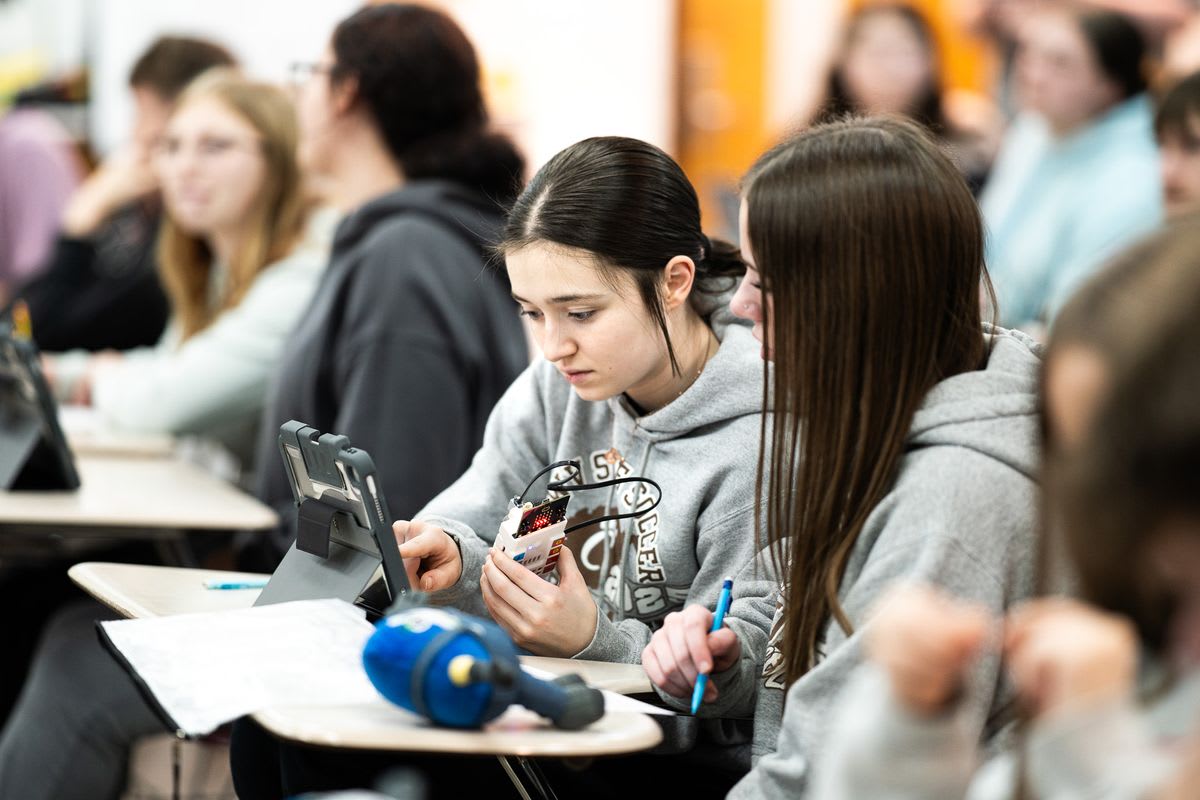
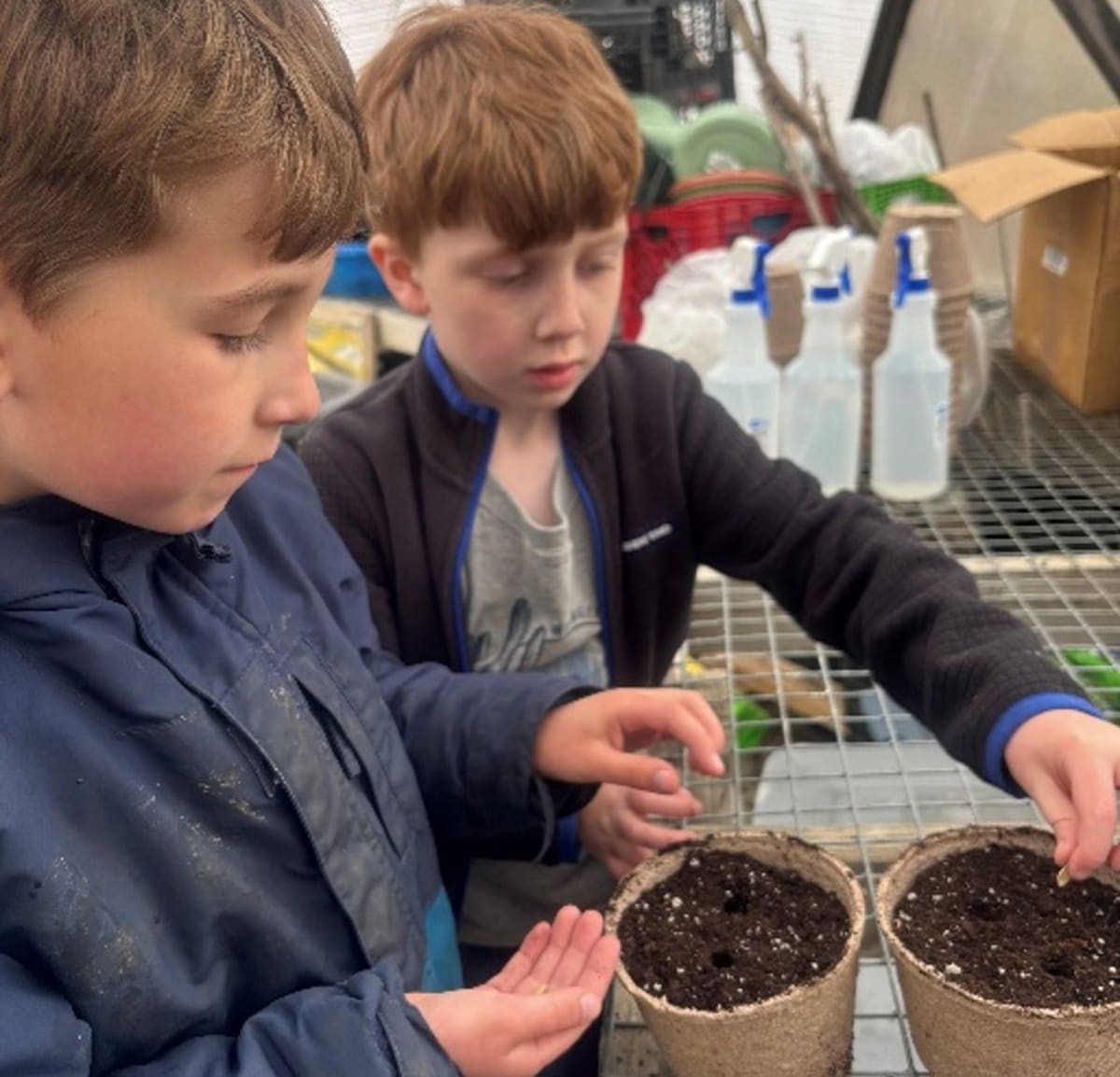
Students start their morning designing virtual reality environments on industry-standard software. By afternoon, they're planting perennials in the school's new therapy garden or studying local ecosystems with the outdoor learning facilitator.
The tech side is serious. Through state and federal grants, CRCS equipped both campuses with 3D printing labs, AR/VR workstations, a mobile planetarium, and one-to-one Apple devices for every student. They have access to Adobe Creative Cloud, 360-degree cameras, and livestreaming equipment that many professional studios would envy.
But Director of Design Dan Ryder and Garden Coordinator Selina Greene Warren saw something missing. Tech skills alone weren't helping rural students with self-regulation and mental health challenges.
So they built RavenWorks Problem-Solving Studios, blending makerspace tools with social-emotional support. At the same time, Warren expanded the garden program to include therapy gardens designed specifically for calming anxious minds.
Their framework, called Compass and Canvas, guides the whole approach. Compass helps students discover their strengths and build resilience. Canvas lets them express creativity across every medium, from garden plots to computer screens.
The Ripple Effect
The real magic happens when the two worlds collide. A student struggling with focus might start in the therapy garden, then bring that calm energy to designing 3D models. Another might film garden growth with action cameras, learning video editing while studying plant biology.
The model is already spreading beyond CRCS. Ryder and Warren presented their work at the Every Teacher a Leader Conference, showing other educators how to balance digital fluency with nature-based healing.
For rural communities where mental health resources are scarce, this approach offers something powerful: students learning to regulate emotions through garden work while building job-ready tech skills that can lift them out of poverty.
Other schools are watching closely, because CRCS found the answer that's been hiding in plain sight all along.
Based on reporting by Google News - School Innovation
This story was written by BrightWire based on verified news reports.
Spread the positivity!
Share this good news with someone who needs it