Maine Tribes and Scientists Unite to Save Sacred Ash Trees
Indigenous basketmakers and researchers are racing to protect Maine's ash trees from an invasive beetle that threatens a 10,000-year-old tradition. Most of the state's ash trees remain healthy, and a new collaboration is working to keep it that way.
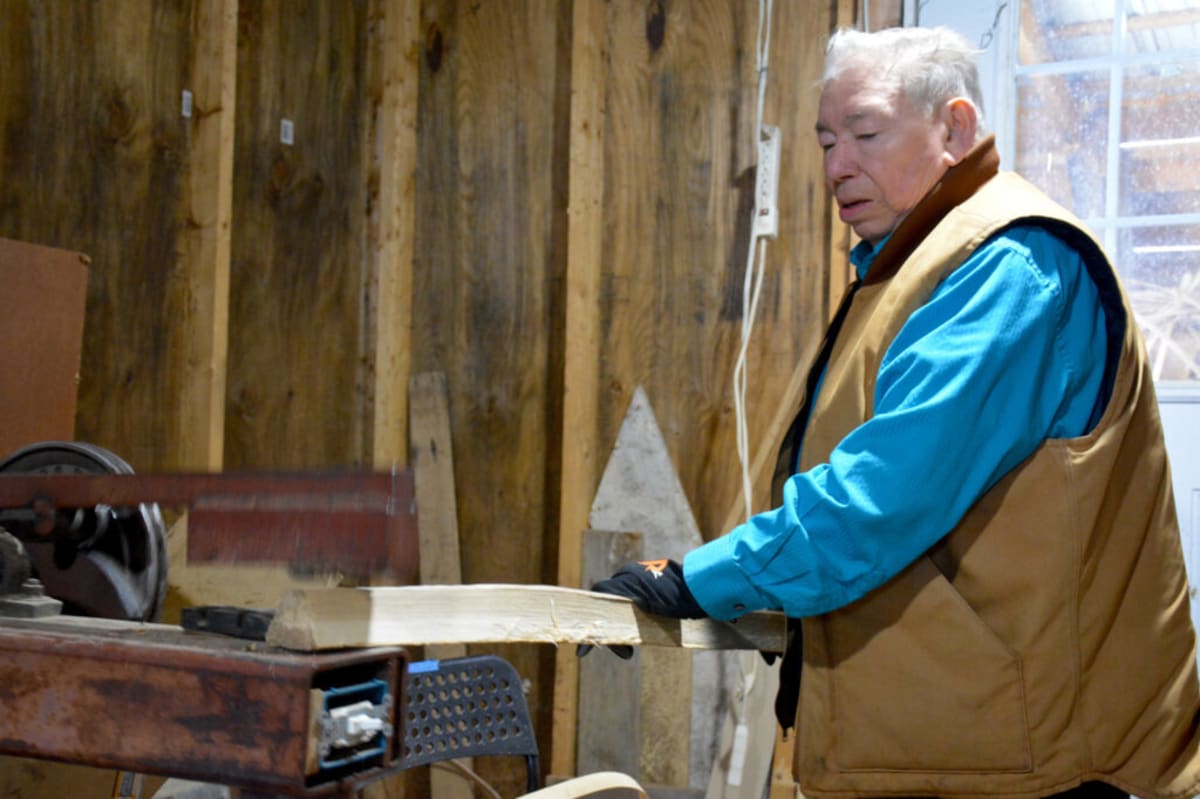
For Richard Silliboy, every strip of wood in his hands represents a year of an ash tree's life and centuries of Mi'kmaq tradition. The 79-year-old master basketmaker calls his craft "the oldest art in the Northeast," but an invasive beetle threatens to end it forever.
The emerald ash borer is slowly spreading across Maine, leaving dead ash trees in its wake. For the five Wabanaki tribes, losing ash would mean losing what they call "the basket tree" in all their languages.
According to Wabanaki creation stories, their ancestors emerged from the ash tree singing and dancing. For basketmakers, no other wood comes close to ash's unique properties.
When a brown ash log is pounded with a mallet, its rings split easily into thin, flexible strips stronger than nylon. "There's just no comparison" in basket quality, says John Daigle, a Penobscot nation member leading the Ash Protection Collaboration Across Waponahkik.
The sound of ash pounding still echoes across tribal lands today. Some elders can identify individual basketmakers just by listening to their rhythm and speed.
This ancient craft became a vital income source after colonization. Large utility baskets filled Maine's potato farms in the early 1900s, while families sold decorative baskets door to door.
The good news? Most of Maine's ash trees are still alive and healthy.
Now tribes, scientists, and government officials are joining forces through APCAW to protect these sacred trees before the beetle destroys them. The collaboration brings together traditional knowledge and modern science to develop protection strategies.
The Ripple Effect
Saving Maine's ash trees protects more than ancient basketmaking skills. It preserves living connections between Indigenous communities and their ancestral lands, keeping creation stories and cultural identity alive for future generations.
The partnership also shows how traditional ecological knowledge and scientific research can work together to solve environmental threats. What happens in Maine could offer a blueprint for protecting culturally significant species elsewhere.
For Silliboy, who has taught ash harvesting and basketry for 40 years, the collaboration offers hope. Every basket he weaves connects past, present, and future in strips of wood that bend without breaking.
Maine's ash trees still stand tall, and the people who call them sacred are fighting to keep it that way.
Based on reporting by Inside Climate News
This story was written by BrightWire based on verified news reports.
Spread the positivity!
Share this good news with someone who needs it