Maine Unlocks 800 MW Wind Farm After 18-Year Wait
After nearly two decades of failed attempts, Maine just approved an 800-megawatt wind farm in its windiest region, powered by a breakthrough deal where four neighboring states agreed to cover 89% of transmission costs. The project proves regional cooperation can finally unlock stranded clean energy resources.
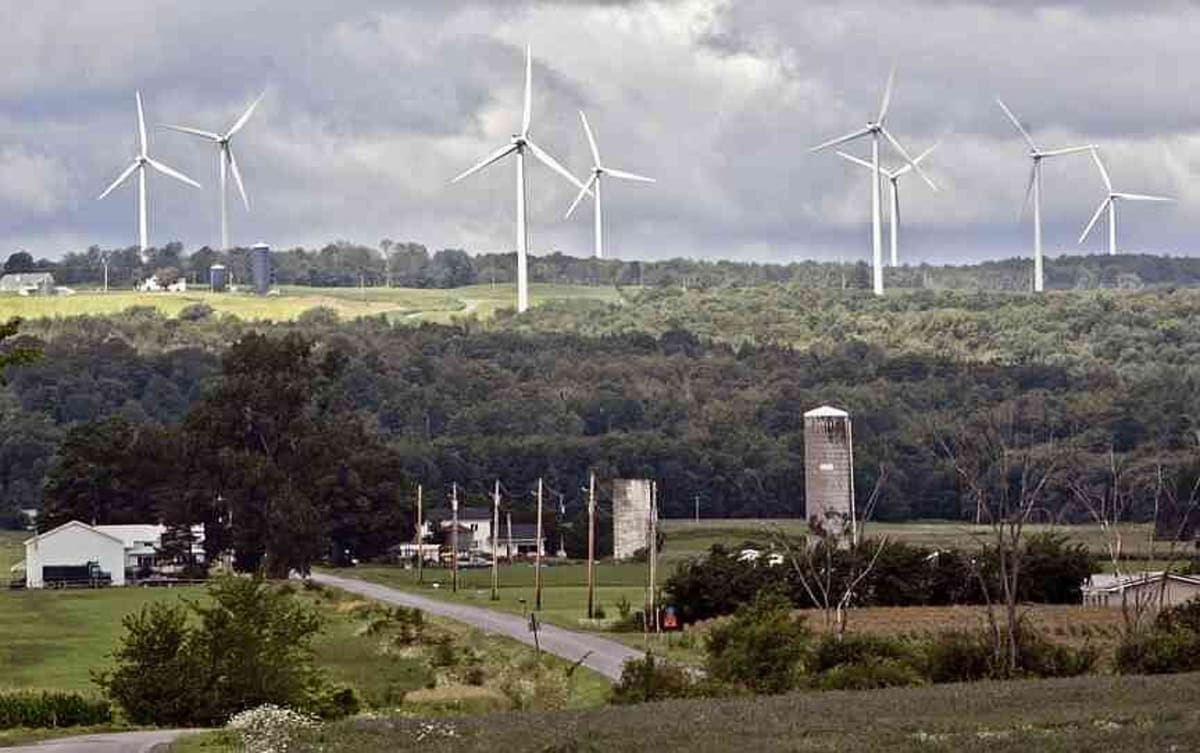
Maine's northernmost county has some of the strongest winds in New England, but for 18 years, that incredible energy potential sat completely stranded from the power grid.
That just changed. State regulators approved an 800-megawatt wind farm and transmission line that will finally connect Aroostook County's powerful gusts to millions of homes across the region.
Aroostook County sits right on the Canadian border, where high-velocity winds constantly sweep across vast open land. Maine identified this area as the centerpiece of its renewable energy goals way back in 2008, but there was one massive problem: no transmission wires to carry the electricity south to cities that need it.
Building those transmission lines across rugged terrain was brutally expensive. Previous attempts in 2016 and 2023 collapsed under the weight of those costs, leaving the region's wind potential trapped behind a financial wall.
This time, regulators solved the puzzle with an unprecedented multi-state agreement. Connecticut, Massachusetts, Rhode Island, and Vermont agreed to cover 89% of the transmission costs, leaving Maine ratepayers responsible for less than 11%.
The Maine Public Utilities Commission approved both a wind farm developed by Clearway Energy and a transmission line from Avangrid. Crucially, the wind farm approval only moves forward if the transmission line actually gets built, fixing a flaw that doomed earlier proposals.
The Ripple Effect
The benefits stretch across the entire New England region. Maine residents alone will see around $400 million in economic benefits over the project's lifetime, while construction will create more than 2,500 jobs.
The environmental impact matters too. The wind farm could cut winter oil use at regional power plants by 10%, eliminating one of the area's most expensive and polluting fuel sources.
Perhaps most promising: the transmission line has 400 megawatts of extra capacity built in, creating immediate room for future clean energy projects once the infrastructure exists.
Developers still face permitting challenges and community relations hurdles. Previous Maine transmission projects suffered public backlash that delayed construction and added $500 million in unexpected costs, so careful community engagement will be critical.
But the core breakthrough is clear: when neighboring states share costs and cooperate on planning, even the most isolated clean energy resources can finally reach the people who need them.
Based on reporting by Google News - Wind Energy
This story was written by BrightWire based on verified news reports.
Spread the positivity!
Share this good news with someone who needs it