Maine's Clam Boxes Offer Hope After 85% Population Crash
Researchers are using simple wooden boxes to save Maine's soft-shell clam industry after populations plummeted 85% since 1977. The innovative approach is already showing how protecting baby clams from invasive predators could restore coastal communities.
Wooden boxes appearing in mudflats along Maine's coast are giving new hope to an industry that's been in freefall for nearly 50 years.
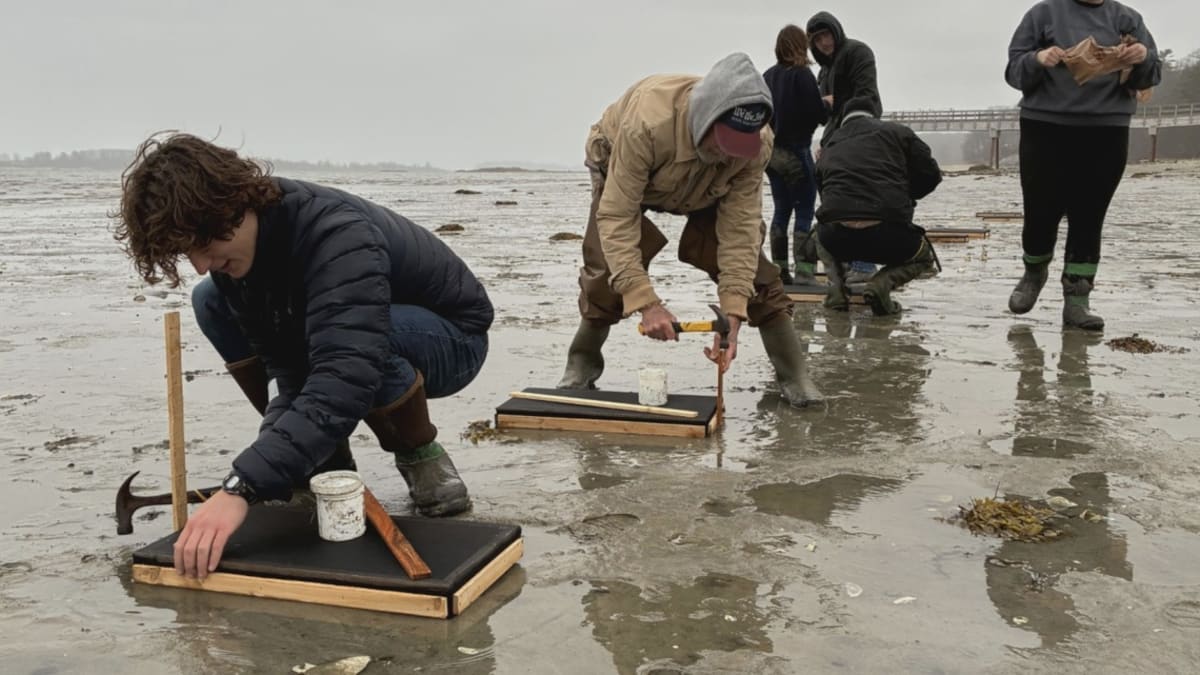
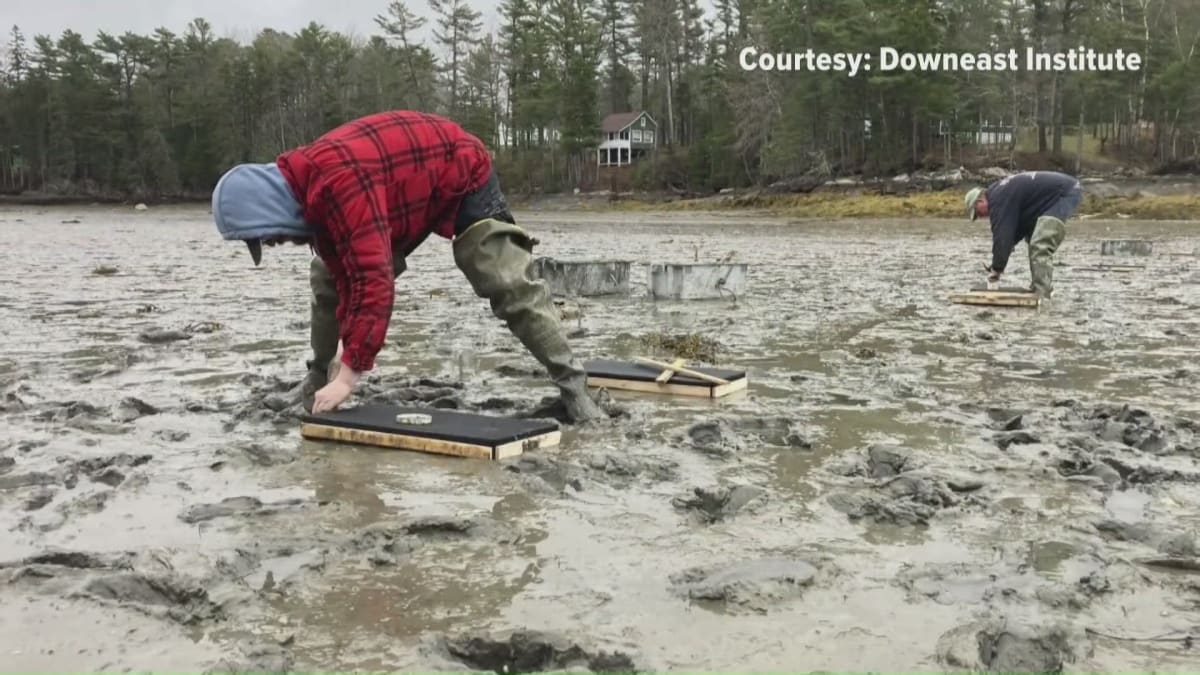
The Downeast Institute has placed dozens of special clam recruitment boxes in 15 coastal communities from Sipayik to Wells. These mesh-lined wooden structures do something beautifully simple: they let tiny, recently spawned soft-shell clams fall through and grow safely inside, protected from the invasive green crabs that have decimated their populations.
The numbers tell a sobering story. Maine's soft-shell clam harvest has crashed 85% since 1977, draining income from coastal families who've relied on clamming for generations.
"The clamming industry is really in dire straits," said Brian Beal, a marine ecology professor at the University of Maine at Machias who launched the Soft-Shell Clam Recruitment Monitoring Network in 2020. His team is racing to understand the crisis and find solutions before it's too late.
The main culprit? Green crabs, an invasive species thriving in the Gulf of Maine as ocean temperatures rise. These predators have turned once-productive mudflats into underwater deserts.
But the recruitment boxes are proving that when baby clams get protection, they can survive. Each fall, researchers collect the boxes and count how many clams made it, using that data to develop strategies that could save the industry.
The Ripple Effect
This project isn't just about clams. It's about the fabric of coastal Maine communities where families have made their living from these mudflats for generations.
The solutions emerging from the boxes could work at multiple scales. Locally, protective nets on mudflats could give growing clams a fighting chance. Statewide, adjusting size limits and protecting clams during spawning season could help populations recover.
This year, four new communities joined the effort: Freeport, Yarmouth, Cumberland, and Falmouth. Each location provides crucial data about what's happening in different parts of the coast.
Research assistant Tessa Houston said adding more towns gives the team a clearer picture of regional differences. That knowledge could help tailor solutions to each community's unique challenges.
The institute is already looking ahead to fall collection and seeking volunteers to help gather the boxes. Anyone interested can reach out to Houston directly.
For now, if you spot one of these wooden boxes in a mudflat, the best thing you can do is leave it alone and let it work its quiet magic, protecting the next generation of clams that could restore a way of life.
More Images



Based on reporting by Google News - Researchers Find
This story was written by BrightWire based on verified news reports.
Spread the positivity!
Share this good news with someone who needs it