
Making Kids Laugh Builds Stronger, Smarter Brains
Scientists discovered that laughter does more than bring joy to children—it actually rewires their brains for resilience and better learning. A new study shows simple play and giggles between parents and kids creates powerful emotional bonds while reducing stress and boosting immunity.
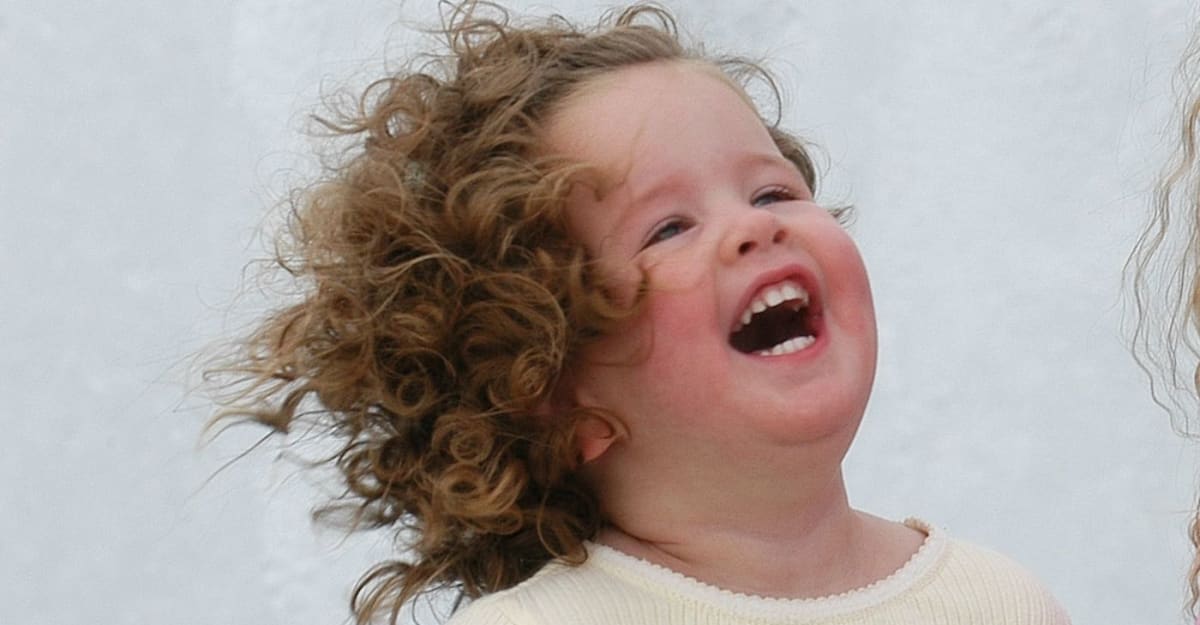
The next time you hear your child giggling, you're actually witnessing their brain getting stronger and more resilient in real time.
Dr. Jacqueline Harding, an early childhood expert at Middlesex University in London, spent years studying how laughter shapes young brains. Her research reveals that making children laugh isn't just fun—it's essential brain fuel that helps kids learn, cope with stress, and build deeper connections with their parents.
The science behind the giggles is remarkable. When children laugh, their brains engage multiple regions at once, including the motor areas and prefrontal cortex. This neural workout decreases stress hormones like cortisol while flooding the brain with happiness chemicals like dopamine, serotonin, and endorphins.
Laughter also strengthens the immune system and improves memory. It challenges young brains to predict and resolve tension between conflicting ideas, giving them a mental workout that enhances creative thinking and activates working memory.
Dr. Harding found that shared laughter between parents and children boosts oxytocin levels and creates neural synchrony during interactions. Translation: giggles literally help parent and child brains sync up, building emotional bonds that benefit both. These connections even reduce parental burnout and stress.
Parents don't need to memorize joke books to reap these benefits. Simple shared play with eye contact, smiles, and close proximity does the work. "Creative, happy play does its most brilliant work at a molecular level, especially when the human brain is at its most receptive," Harding explained in her new book, The Brain That Loves to Laugh.
The timing matters too. Laughter develops before speech in children, making it one of the brain's earliest learning tools. Spontaneous joyful play acts as an antidote to stress by increasing endorphin levels released by the brain.
Why This Inspires
This research offers hope for all children, even those who've experienced trauma. Dr. Harding found that gently introducing joy and hope can ease the burden on young nervous systems and help kids navigate life's challenges.
The emotional state of young children directly influences how they move through the world. By building a store of positive experiences through laughter and play, children develop stronger self-regulation skills as they grow.
Dr. Harding advocates bringing more humor into classrooms too, arguing it can reduce cognitive load and make complex information easier to digest.
"Hope and humor are not just the seasoning of life, but foundational to a recipe for healthy development," she said—words that remind us the simplest joys often fuel the most profound growth.
More Images


Based on reporting by Good News Network
This story was written by BrightWire based on verified news reports.
Spread the positivity!
Share this good news with someone who needs it


