Making Music Protects Your Brain for Life, Study Finds
Scientists discovered that playing an instrument or singing regularly strengthens your brain against aging and disease. Musicians even experience less physical pain than non-musicians.
A woman with dementia who hadn't moved in months suddenly stood up and danced when music filled the room. Her caregivers watched in amazement as she moved unaided for the first time, all because of a simple melody.
This moment represents a growing body of research showing that making music throughout your life does more than create beautiful sounds. It fundamentally changes how your brain works and protects it from decline.
In Limerick, Ireland, music therapist Cathy McGlynn leads Parkinsongs, a choir for people with Parkinson's disease and their loved ones. Every Friday, participants gather to sing scales, stretch their voices, and practice songs like "You Are My Sunshine." The simple act of singing together helps them manage tremors, breathing problems, and vocal difficulties that come with their condition.
Studies back up what McGlynn sees firsthand. Research shows singing interventions improve vocal strength and quality of life for Parkinson's patients, while music-based therapies help with motor symptoms.
For people with dementia, the benefits run even deeper. Musical memory lives in brain regions that stay preserved even as Alzheimer's progresses, allowing people to remember songs long after they've forgotten names and faces.
Larry Sherman, a neuroscience professor at Oregon Health and Science University, explains that lifelong music practice builds a reserve of brain cells and connections. This reserve can delay the onset of age-related diseases and maintain cognitive function as we grow older.
Why This Inspires
The benefits aren't limited to older adults. Researcher Anna Zamorano discovered that musicians experience less physical pain than non-musicians, and the more hours they've practiced, the less discomfort they feel.
Her theory is beautiful in its simplicity: when musicians push through temporary discomfort to master a difficult piece, their brains learn to downregulate pain signals because they anticipate the reward of improvement and mastery.
Zamorano recommends playing an instrument for 30 to 45 minutes most days of the week, similar to exercise recommendations. What matters most isn't perfection but consistency, since the brain creates new connections through repetition and enjoyment.
Sherman notes that musical experience covers such wide territory in the brain that even people who become non-verbal still have the neural circuits needed to respond to music. The connections run that deep.
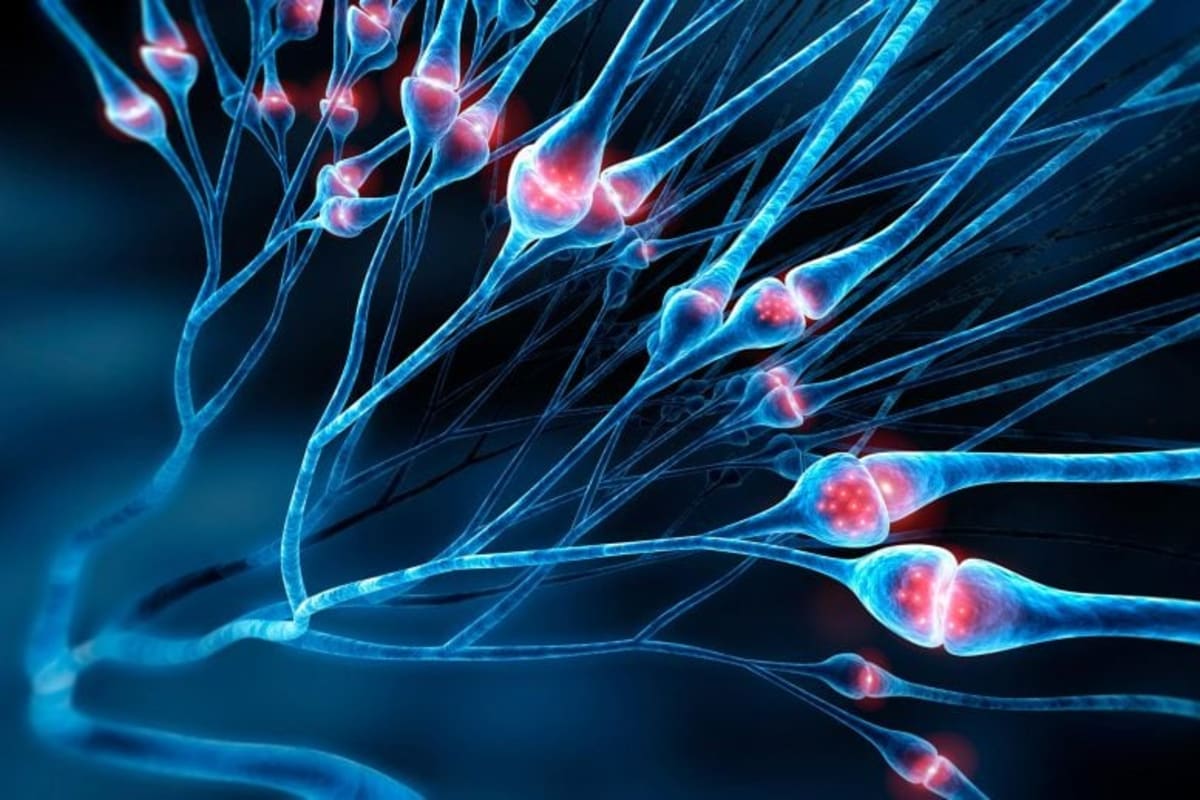
Music creates both neuroplasticity, where the brain forms new neural pathways, and structural connectivity, its physical wiring. These changes become especially valuable as we age and naturally lose some cognitive function.
Your brain is waiting to be strengthened by the simple act of making music, no matter your age or skill level.
More Images


Based on reporting by BBC Future
This story was written by BrightWire based on verified news reports.
Spread the positivity!
Share this good news with someone who needs it