Malawi Cracks Down on Unsafe Pesticide Disposal
Malawi's Pesticides Control Board is launching nationwide inspections to protect people and the environment from hazardous chemical waste. The move comes after investigators found improperly disposed pesticide containers at a waste site with no tracking system.
When empty pesticide containers were discovered at Malawi's Musiro Waste Management Site with no record of who dumped them, investigators knew they had a serious problem on their hands.
The Pesticides Control Board has now launched countrywide inspections to track how farms and businesses handle dangerous chemicals. The goal is simple but crucial: make sure these toxic substances don't end up harming people, animals, or the land.
The investigation started at the Musiro site in Mzuzu, where inspectors found empty containers from several pesticides. Guards remembered seeing a local estate drop off the containers, but nobody had written it down. Without proper records, authorities couldn't identify which companies were breaking the rules.
The discovery revealed a bigger gap in the system. While Mzuzu City Council requires permits for waste disposal, they don't ask companies to declare what type of waste they're dumping. That missing step makes it nearly impossible to trace hazardous materials back to their source.
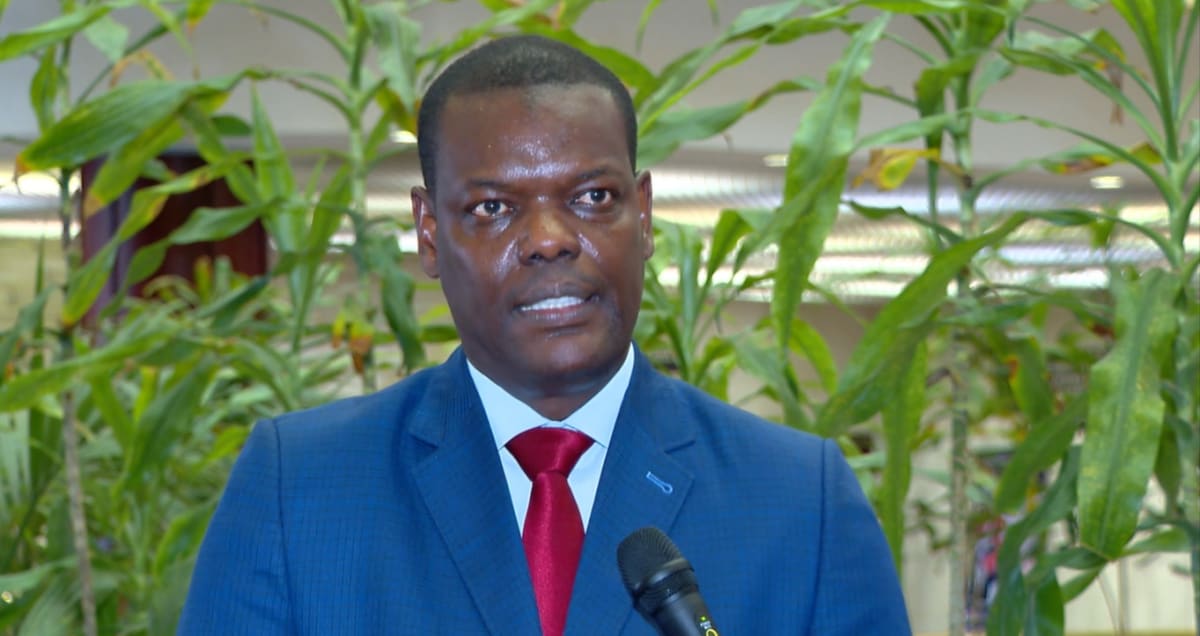
Dr. Victor Madhlopa, who chairs the Pesticides Control Board, explained why this matters so much. "Chemicals used as pesticides, if not applied as advised, are highly hazardous to animals, plants, the environment, and ultimately humans," he said. Even empty containers remain dangerous because residue can cause cancer, breathing problems, or worse.
The Ripple Effect
This crackdown isn't just about catching rule breakers. It's about building a safer system for everyone in Malawi. When pesticides are stored, used, and disposed of properly, farmers stay healthy while doing their jobs. Nearby communities don't have to worry about contaminated water or soil. Wildlife and livestock are protected from accidental poisoning.
The inspections are already strengthening how Malawi manages chemicals nationwide. Authorities are identifying gaps in safety regulations and closing loopholes that let hazardous waste slip through untracked. Companies now know someone is watching, which creates accountability.
Communities can join the effort too. The board is encouraging anyone who sees unsafe chemical handling to report it to authorities. That kind of public involvement turns enforcement from a top-down operation into a shared responsibility.
Malawi is showing that protecting people and the environment doesn't require perfect systems, just committed ones willing to improve.
More Images


Based on reporting by AllAfrica - Environment
This story was written by BrightWire based on verified news reports.
Spread the positivity!
Share this good news with someone who needs it