Malawi's Native Fruit Trees Fight Hunger and Save Forests
When masuku plums are in season in Malawi, locals can't get enough of the sweet native fruit. Now a new guide is helping communities plant more of these Indigenous food trees to tackle both malnutrition and biodiversity loss.
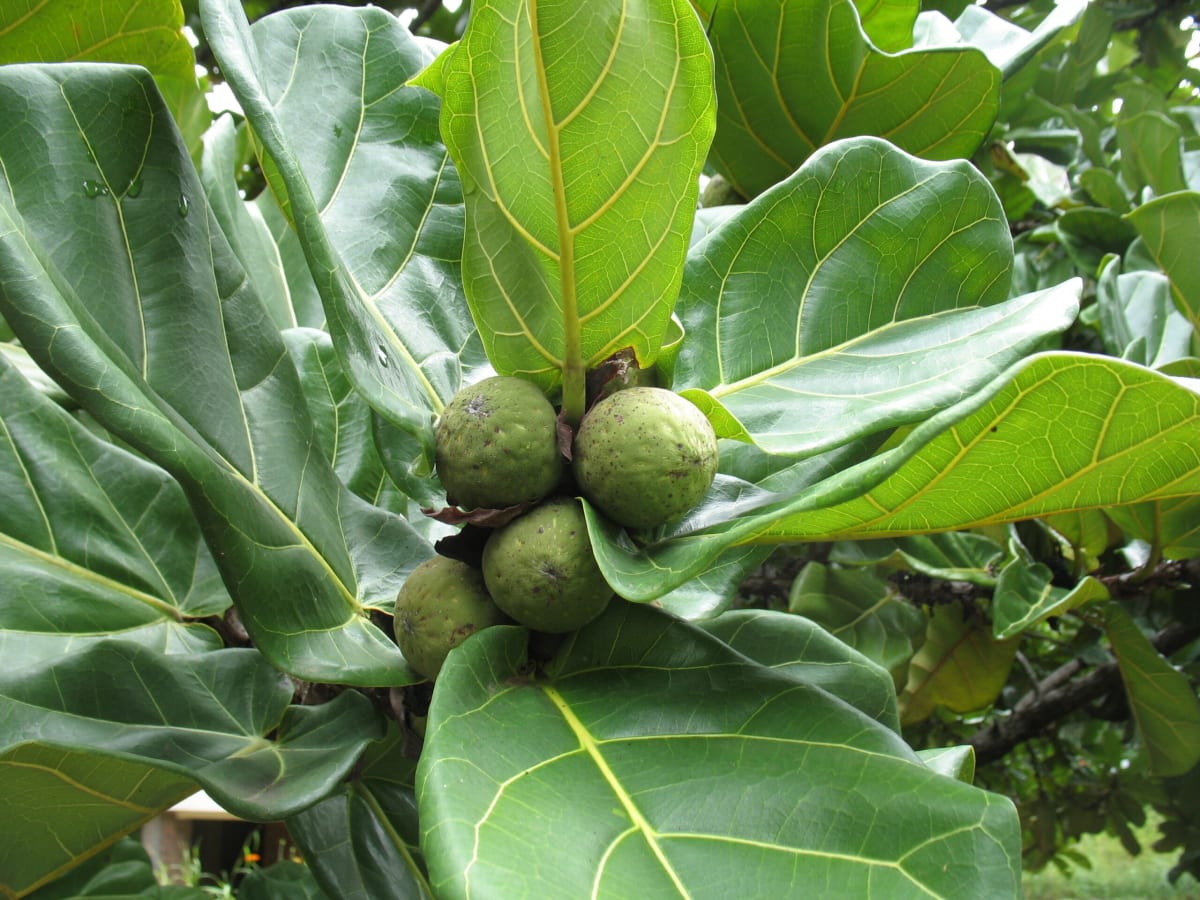
In Malawi, people eat masuku plums everywhere: on the streets, in the bath, while traveling. The sugary-sweet fruit flies off market shelves, but there's never enough to meet demand.
That scarcity is about to change. A new tree-planting guide created by researchers and local experts is bringing Indigenous food trees back to East African landscapes, offering a solution to two pressing problems: chronic malnutrition and disappearing forests.
Richard Swirah, an agroecologist with WeForest's Malawi chapter, has watched native fruit trees vanish from the landscape. Deforestation has made trees like the masuku plum increasingly rare, even though local communities desperately want them.
The problem runs deeper than just lost fruit. When researcher Emilie Vansant from the University of Copenhagen surveyed Malawian households, she discovered something striking: women who supplemented their diets with food from native trees had significantly higher levels of folate, zinc and vitamin A.
These same trees also create better homes for diverse native plants and animals. Vansant realized that planting more Indigenous food trees could solve both malnutrition and biodiversity loss in one stroke.
But there was a catch. When Vansant's team spoke with farmers, they lacked basic information on how to plant native species. The only resource available was a 1993 guide covering all of Africa. Meanwhile, tree-planting programs kept focusing on fast-growing, non-native timber species instead of food-bearing trees.
So Vansant worked with Malawian foresters, botanists and agroecologists to create an illustrated guide specifically for East African edible tree species. The guide covers fruit trees like masuku plum, plus multipurpose species like African custard-apple, which provides edible fruit, spice-worthy flowers and leaves that cook like vegetables.
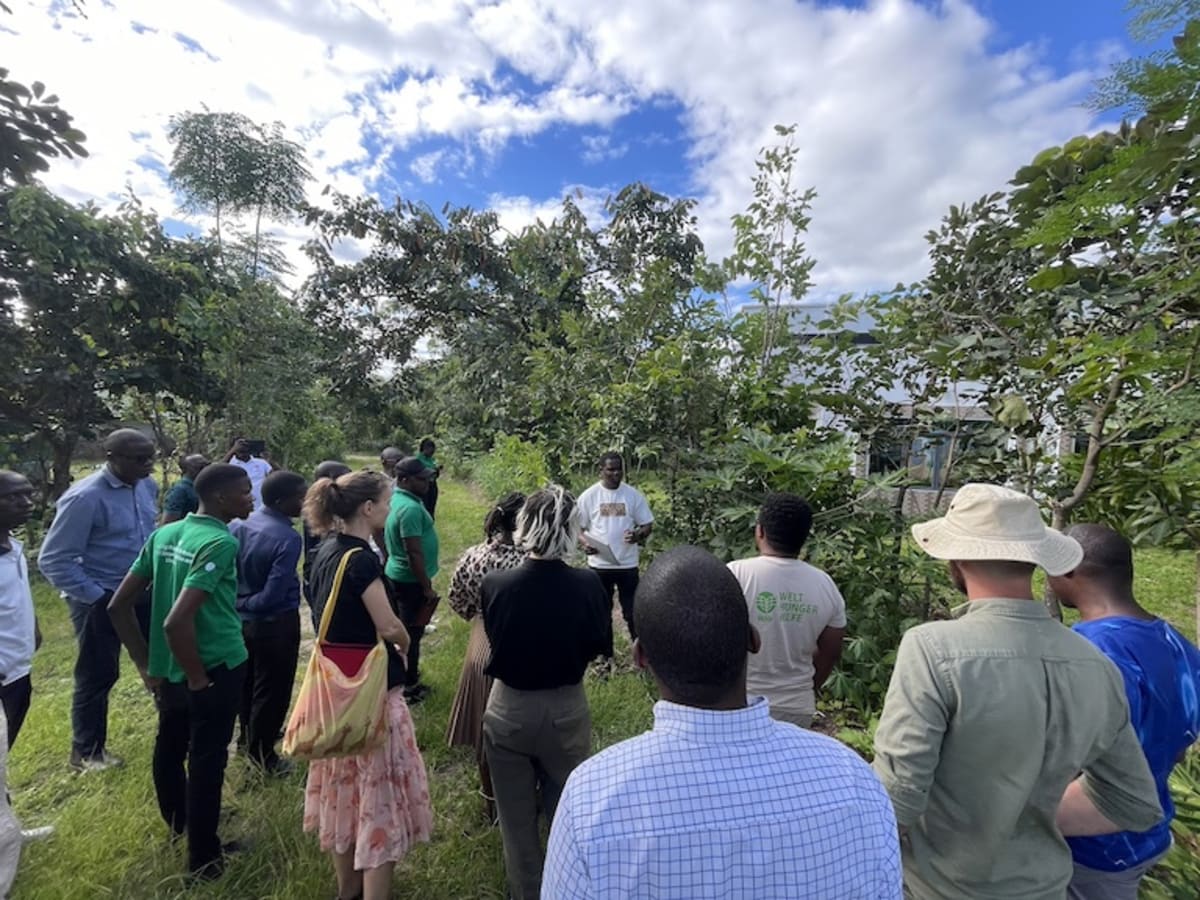
Earlier this year, 40 landscape restoration workers gathered at workshops in Malawi to learn from the guide and share their experiences. The connection between ecological health and human health was obvious to participants, Vansant said, noting that Malawian farmers have intimate knowledge of how their environment supports their wellbeing.
The Ripple Effect
The workshops revealed what communities need most: better species-specific information about helping these trees survive, since their seeds have narrow viability windows and specific environmental requirements. Participants also identified the need for more commercial outlets to sell tree products, making it economically viable for farmers to grow them.
The new guide represents just the beginning. As more communities gain access to knowledge about planting Indigenous food trees, they're reclaiming both their traditional foods and their forests, proving that the best solutions often grow from the ground up.
More Images

Based on reporting by Mongabay
This story was written by BrightWire based on verified news reports.
Spread the positivity!
Share this good news with someone who needs it