Scientists Grow Spirulina With B12 Levels Matching Beef
Researchers have created a sustainable algae that contains usable vitamin B12 at the same levels as beef, solving a major nutritional gap. The carbon-neutral system could help address vitamin deficiency affecting over a billion people worldwide.
Scientists just solved one of the biggest problems with sustainable food: they grew spirulina algae that contains as much usable vitamin B12 as beef.
A team led by Dr. Asaf Tzachor at Reichman University found a way to make spirulina produce the kind of B12 our bodies can actually use. Regular spirulina contains mostly "pseudo-B12," a form that looks like the real thing but doesn't work in human bodies.
The breakthrough came from controlling the light conditions where the algae grows. By adjusting the light environment, researchers encouraged spirulina to produce biologically active B12 for the first time ever.
The results are impressive. The modified spirulina contains 1.64 micrograms of active B12 per 100 grams, compared to 0.7 to 1.5 micrograms in the same amount of beef. That matches or beats one of the most common B12 sources while producing zero carbon emissions.
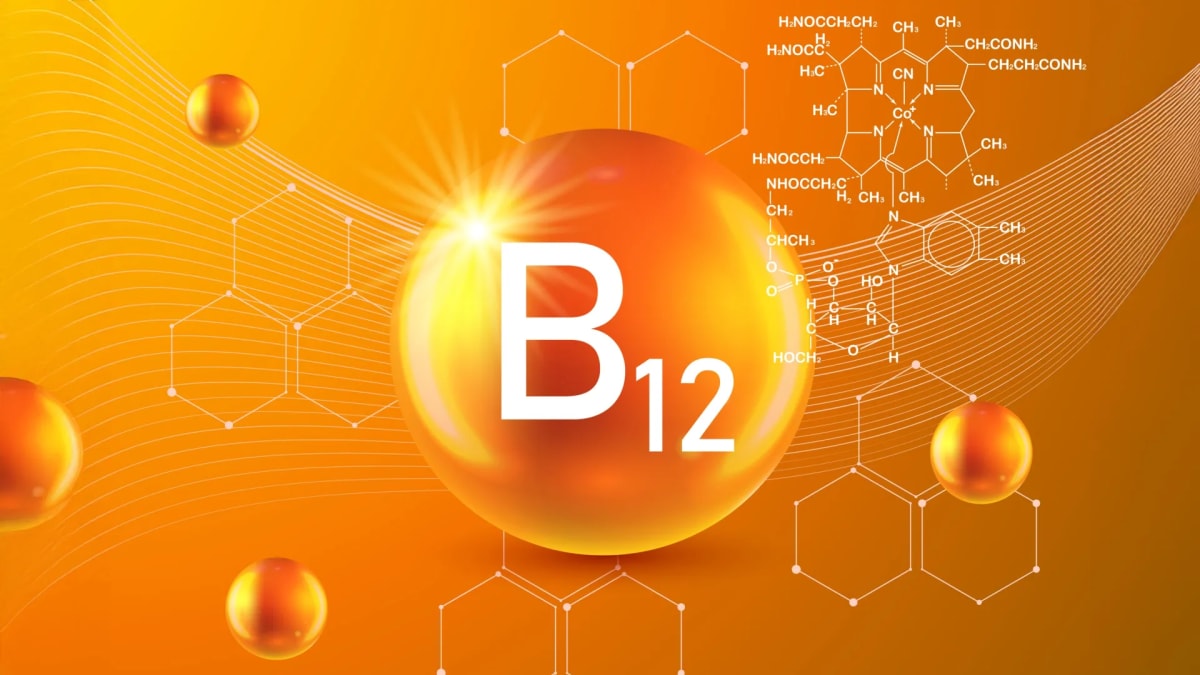
This matters because more than a billion people worldwide don't get enough vitamin B12. The nutrient is essential for forming red blood cells and keeping our nervous systems healthy. Adults need about 2.4 micrograms daily.
Most people get their B12 from meat and dairy, but producing these foods at a global scale comes with significant environmental costs. Spirulina grows quickly with a small environmental footprint, making it an ideal alternative if it can deliver the right nutrients.
The researchers partnered with VAXA Technologies in Iceland to test the system. The spirulina they produced also contained antioxidant, anti-inflammatory, and immune-boosting compounds as an added benefit.
The Ripple Effect
The team calculated what could happen if this technology scaled up. Using electricity currently devoted to heavy industry in Iceland, they could produce nearly 278,000 tonnes of spirulina annually.
That amount could provide enough active B12 to meet the recommended intake for 13.8 million young children. More ambitious scenarios could supply over 50 million infants with their daily B12 needs.
These are projections rather than current production levels, but they show the potential impact. A carbon-neutral food source that delivers essential nutrients could reduce pressure on animal agriculture while addressing widespread deficiency.
The research, published in Discover Food, demonstrates how changing growing conditions can transform the nutritional value of foods. Instead of just accepting spirulina as it naturally grows, scientists are programming it to produce exactly what humans need.
This breakthrough opens doors for creating other nutrient-rich sustainable foods through similar methods.
Based on reporting by Science Daily
This story was written by BrightWire based on verified news reports.
Spread the positivity!
Share this good news with someone who needs it