Malawi Farmers Cut Food Loss 30% With New Storage Tech
Smallholder farmers in Malawi are saving nearly a third of their harvest using simple technologies like hermetic bags and efficient shellers. The change is putting more food on tables and more money in pockets across six districts.
Farmers in Malawi are finally winning the battle against a hidden enemy that has stolen up to 30 percent of their harvests every year.
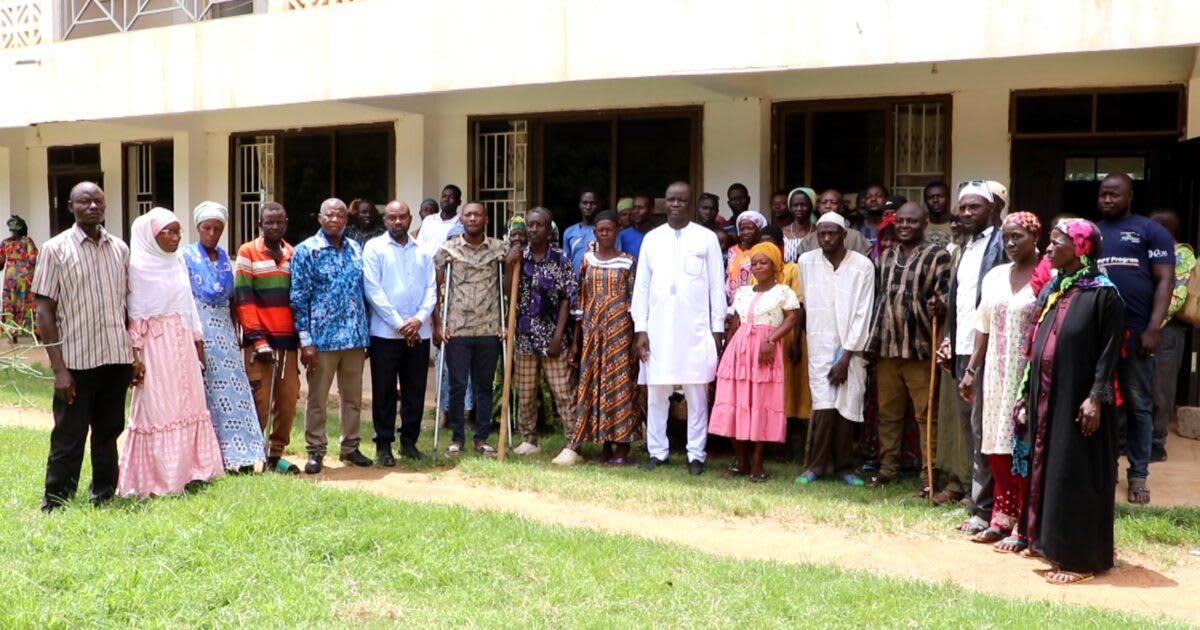
The Alliance for a Green Revolution in Africa is helping thousands of smallholder farmers access affordable storage bags, shellers, threshers, and tarpaulins through the Regain Programme. These simple tools are solving problems that have plagued rural communities for generations: moldy grain, insect damage, and crops ruined by poor drying methods.
Brenda Batoni, a lead farmer in the Thawale area near Lilongwe, says the impact is immediate. She used to spend days hand-shelling maize, leaving little time for anything else. Now she finishes in hours and can focus on other income-generating activities.
The technology isn't complicated or expensive. Hermetic storage bags, known as PICS bags, keep grain fresh without chemicals. Mechanical shellers and threshers cut processing time dramatically. Proper tarpaulins protect drying crops from moisture and contamination.
AGRA Country Director Eluphy Nyirenda explains that climate-related shocks made the problem worse in recent years. Unpredictable weather patterns meant farmers couldn't rely on traditional drying methods, and losses mounted.
The solution required making the technologies affordable. Farmers can now buy shellers and threshers at subsidized prices, bringing tools once out of reach within range of household budgets.
Stewart Paul Mapemba, who coordinates the programme for the National Smallholder Farmers' Association of Malawi, says adoption rates have exceeded expectations. Farmers immediately recognized how the technologies could transform their operations.
The programme operates in six districts: Lilongwe, Mchinji, Mzimba South, and Nkhotakota. Community radio stations broadcast weekly programmes to share best practices and answer farmer questions.
The Ripple Effect
The benefits extend far beyond individual farms. When families lose less food, household nutrition improves and children eat better throughout the year. Extra produce heads to market instead of rotting in storage, generating income that pays for school fees and healthcare.
The climate resilience piece matters too. As weather patterns grow more unpredictable across Southern Africa, farmers need adaptive strategies that work regardless of rainfall timing. Proper storage and drying methods provide that buffer.
Agnes Lungu from Malawi's Ministry of Agriculture says the government sees post-harvest management as critical to national food security. The ministry continues partnering with organizations like AGRA to scale up access to these proven technologies.
The programme model shows promise for replication across the region, where similar post-harvest losses plague smallholder farmers in neighboring countries.
Thousands of Malawian farming families are now eating better, earning more, and facing climate uncertainty with tools that actually work.
More Images


Based on reporting by AllAfrica - Environment
This story was written by BrightWire based on verified news reports.
Spread the positivity!
Share this good news with someone who needs it